
Australia’s unique biodiversity faces unprecedented threats from climate change, habitat loss, and invasive species, creating urgent demand for qualified conservation professionals. The wildlife conservation sector is experiencing 12% annual growth, with organizations struggling to fill specialized positions. Whether you’re drawn to field research, habitat restoration, or species recovery programs, completing a wildlife conservation course opens doors to meaningful careers protecting Australia’s natural heritage.

Field Conservation Officer: Frontline Wildlife Protection
Field conservation officers represent the backbone of practical conservation work, conducting surveys, monitoring populations, and implementing protection measures. These positions have grown 35% since 2020, with particular demand in Queensland’s Great Barrier Reef region and Tasmania’s wilderness areas. After completing a wildlife rescue course and park ranger course, officers earn $55,000-$75,000 while working in Australia’s most spectacular locations.
Daily responsibilities vary seasonally but typically include wildlife monitoring, habitat assessment, and data collection. Officers use cutting-edge technology including drones, camera traps, and GPS tracking devices. The role combines physical fieldwork with scientific rigor, requiring both fitness and analytical skills. Many officers specialize in specific ecosystems or species groups after initial generalist experience.
Career progression leads to senior officer positions, project management, or specialized research roles. Additional training through a marine biology course or herpetology course enhances advancement opportunities. The combination of outdoor work, scientific contribution, and conservation impact makes this among the most satisfying conservation careers.
Wildlife Rehabilitation Specialist: Healing and Release
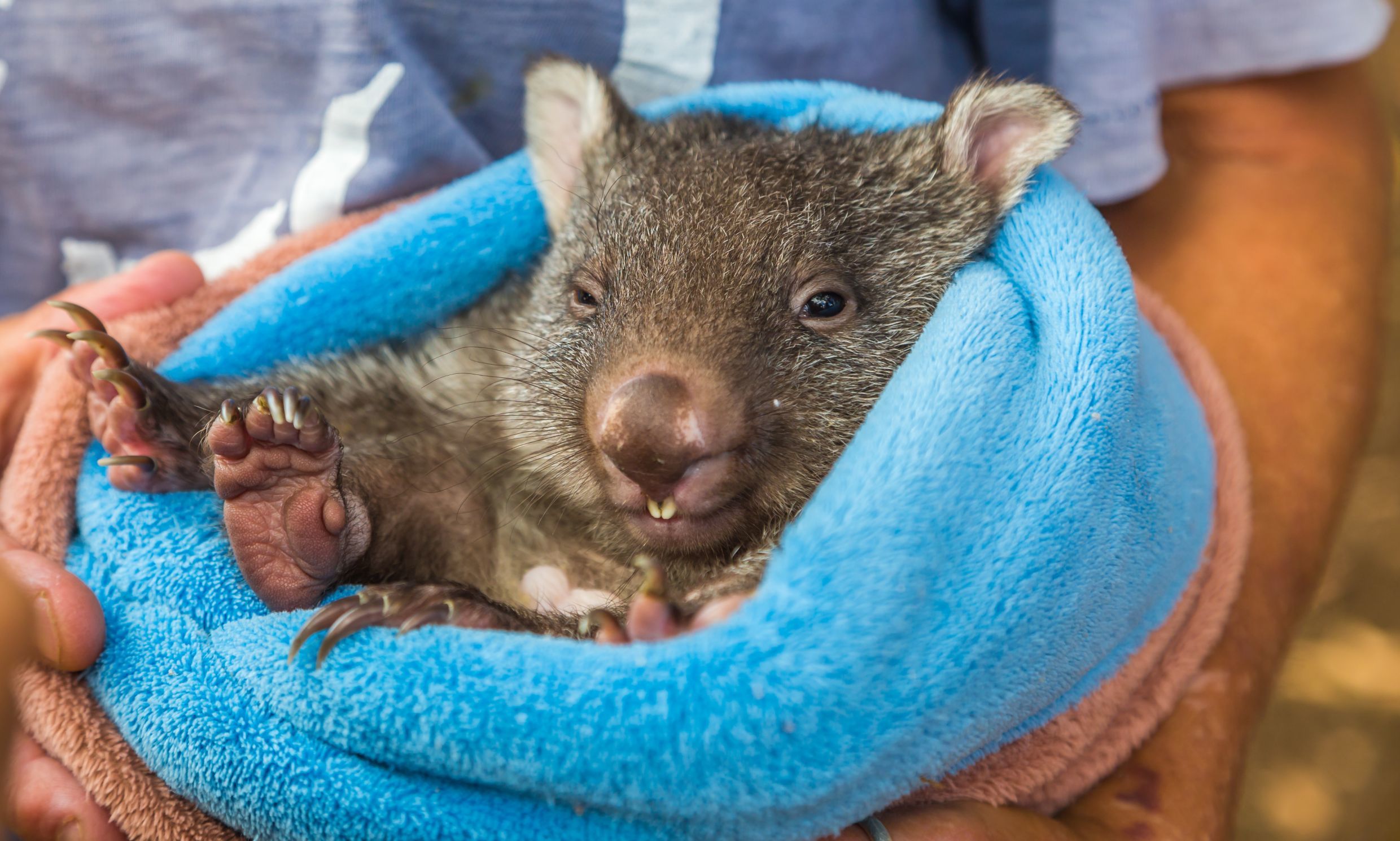
Wildlife rehabilitation specialists have become increasingly vital as human-wildlife conflicts escalate and extreme weather events increase. These professionals treat injured and orphaned native animals, with ultimate goals of release back to wild. Completing an Australian wildlife course and wildlife vet course provides essential knowledge for this challenging yet rewarding career path earning $48,000-$68,000 annually.
Rehabilitation work demands diverse skills including veterinary knowledge, animal behavior understanding, and facility management. Specialists work with everything from tiny marsupial joeys to large macropods, each requiring specific care protocols. The role involves physical demands of animal handling, emotional challenges of difficult cases, and satisfaction of successful releases.
Growth opportunities include specialization in particular species groups or establishing private rehabilitation facilities. Many specialists develop expertise in specific areas like marine mammal rehabilitation or raptor recovery. According to Wildlife Health Australia, demand for qualified rehabilitation specialists will increase 40% by 2027.
Conservation Drone Pilot: Technology Meets Wildlife
The emergence of drone technology revolutionizes conservation work, creating entirely new career categories. Conservation drone pilots combine aviation skills with ecological knowledge, conducting aerial surveys, monitoring illegal activities, and tracking wildlife movements. This rapidly growing field offers $65,000-$95,000 salaries for qualified operators who complete relevant wildlife conservation course training alongside drone certification.
Applications span from counting crocodile nests in Northern Territory to monitoring seabird colonies on remote islands. Thermal imaging capabilities enable nocturnal wildlife surveys, while multispectral sensors assess habitat health. Pilots must understand both technology and ecology, interpreting data within conservation contexts.
Career advancement includes consultancy work, international projects, or technology development roles. As drone capabilities expand, specialists who understand both conservation needs and technological possibilities become invaluable. The Australian Association for Unmanned Systems predicts 200% growth in conservation drone positions by 2026.
Marine Conservation Biologist: Protecting Ocean Ecosystems
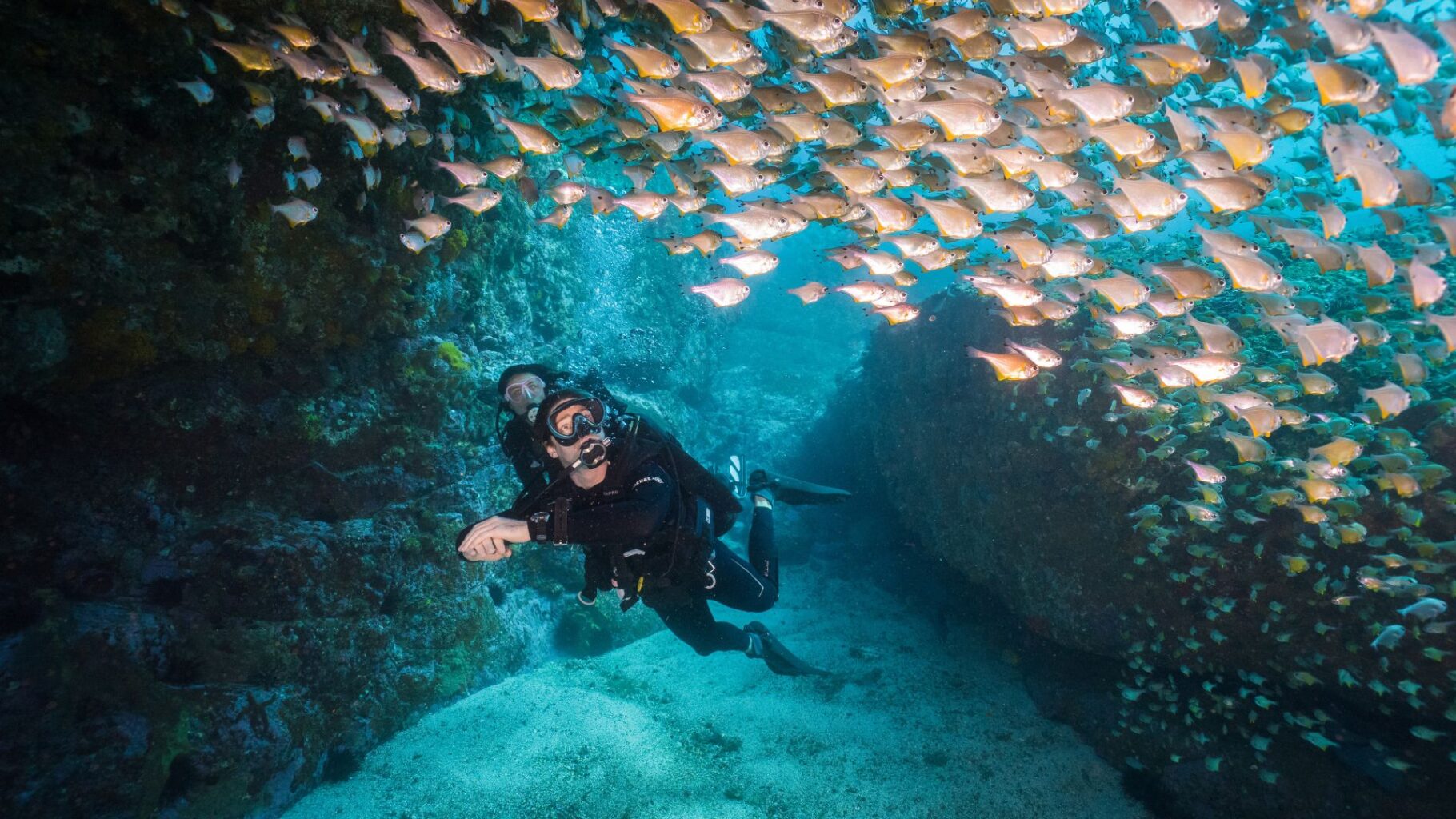
Marine conservation biologists address critical threats facing Australia’s ocean ecosystems, from coral bleaching to plastic pollution. These scientists earn $70,000-$110,000 while conducting research, developing protection strategies, and influencing policy. A marine biology course provides foundational knowledge, though many positions require advanced degrees.
Current high-demand areas include coral restoration, shark conservation, and marine protected area management. Biologists split time between field research, laboratory analysis, and stakeholder engagement. The role requires scuba certification, boat handling skills, and ability to work in challenging ocean conditions.
The Great Barrier Reef Marine Park Authority alone plans hiring 50 additional marine biologists by 2026. Private sector opportunities include environmental consulting, aquaculture sustainability, and eco-tourism development. International opportunities abound for Australian-trained marine conservation specialists.
Threatened Species Recovery Coordinator
With over 1,800 Australian species listed as threatened, recovery coordinators play crucial roles preventing extinctions. These professionals develop and implement recovery plans, coordinate stakeholder groups, and secure funding for conservation initiatives. Positions typically require a zoology course background plus project management skills, offering $75,000-$95,000 salaries.
Coordinators balance scientific requirements with political realities, navigating complex stakeholder relationships including government agencies, landowners, and community groups. Success requires excellent communication skills translating scientific concepts for diverse audiences. The role combines office-based planning with field visits monitoring recovery progress.
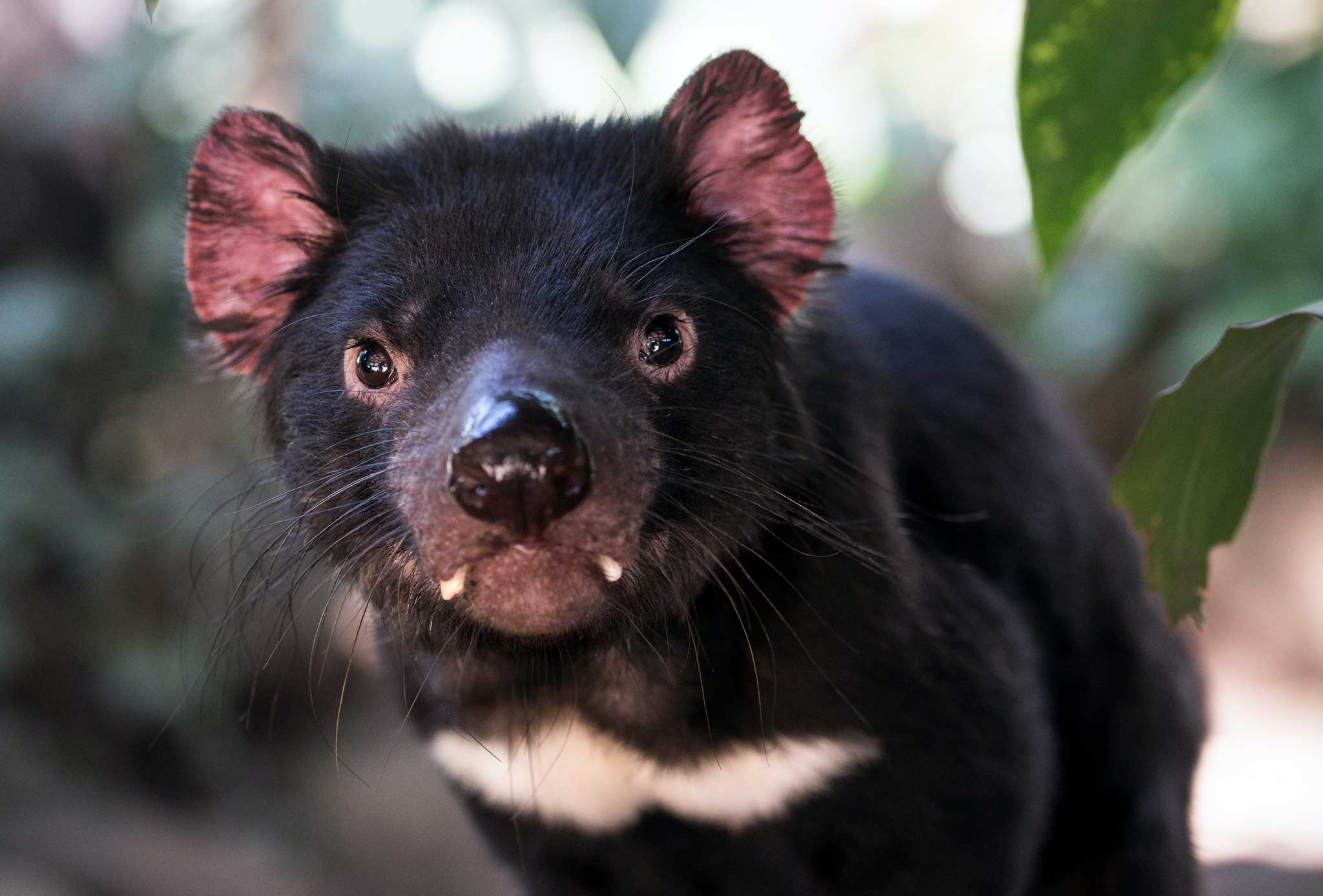
High-profile programs like Tasmanian Devil recovery or Northern Quoll conservation attract international attention and funding. Experienced coordinators often transition to international conservation organizations or establish consultancies. The federal government’s Threatened Species Strategy commits $100 million annually, ensuring continued position growth.

Conservation Education Officer: Inspiring Future Guardians
Conservation education officers bridge gaps between scientific knowledge and public understanding, developing programs inspiring conservation action. These professionals earn $55,000-$75,000 while working in zoos, museums, national parks, and environmental organizations. An animal studies course combined with education training provides ideal preparation.
Responsibilities include developing educational materials, leading field trips, conducting workshops, and managing volunteer programs. Officers must adapt complex ecological concepts for diverse audiences from preschoolers to retirees. Digital education skills become increasingly important as online programs expand reach.
Career growth includes program management, curriculum development, or transitioning to conservation communication roles. Many education officers influence thousands annually, multiplying conservation impact beyond direct species work. Zoo and Aquarium Association members report 30% increase in education positions since 2020.
Wildlife Forensic Specialist: Combating Wildlife Crime
Wildlife forensic specialists represent conservation’s crime fighters, investigating illegal trafficking, poisoning, and habitat destruction. These specialized roles command $70,000-$100,000 salaries, requiring combination of scientific expertise and investigative skills. A wildlife conservation course foundation plus forensic training prepares professionals for this emerging field.
Specialists analyse evidence ranging from DNA samples identifying trafficked species to chemical analysis of poisoning cases. Work involves collaboration with law enforcement, customs officials, and international agencies combating wildlife crime. Technology plays increasing roles with environmental DNA sampling and satellite surveillance.
Australia’s position as both source and transit country for wildlife trafficking ensures growing demand for forensic specialists. International cooperation through INTERPOL and CITES provides global career opportunities. The field’s growth reflects recognition that wildlife crime threatens both biodiversity and national security.
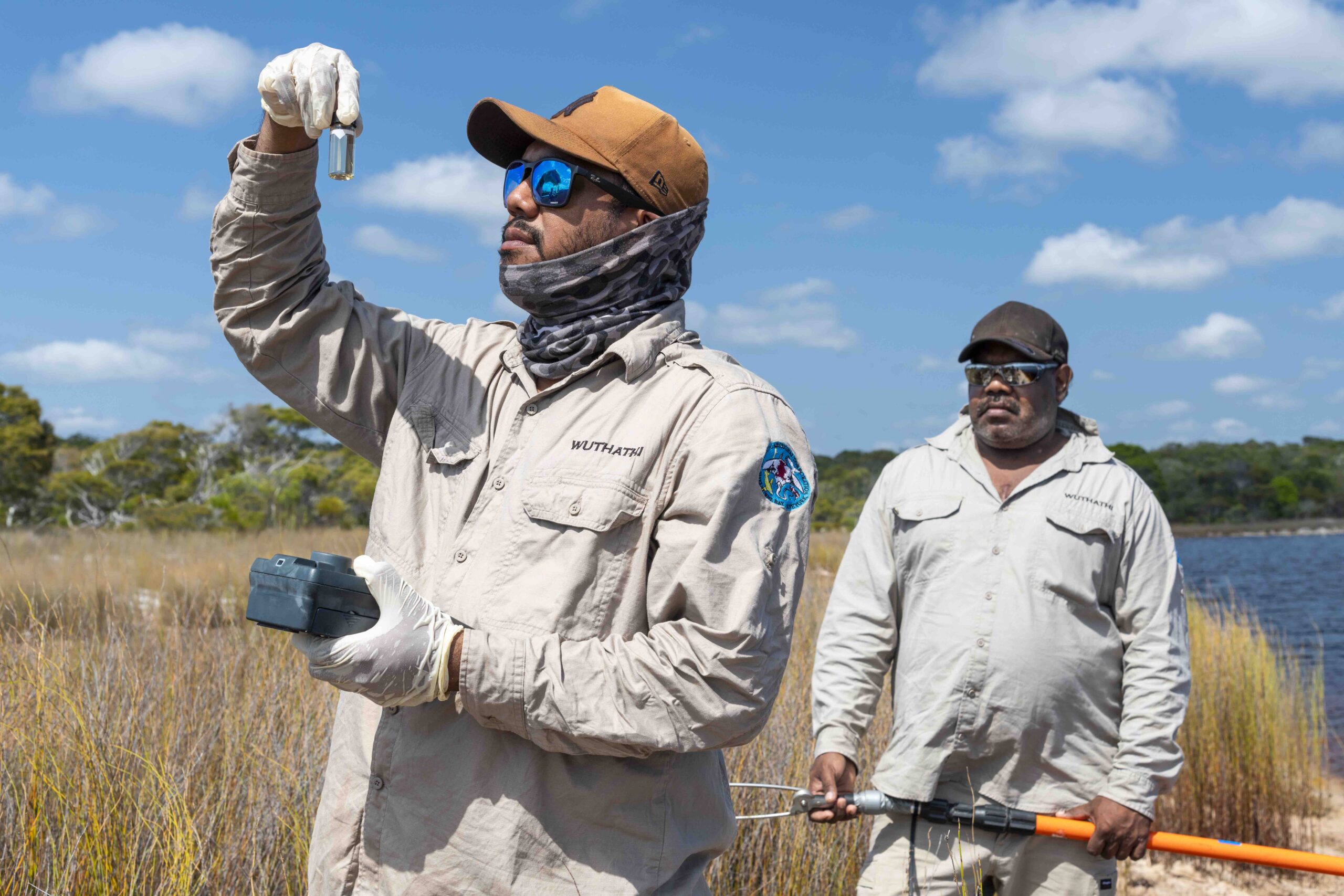
Indigenous Conservation Facilitator: Traditional Knowledge Integration
Indigenous conservation facilitators bridge Western science and traditional ecological knowledge, ensuring Indigenous communities participate meaningfully in conservation initiatives. These positions, earning $65,000-$85,000, have grown significantly as organizations recognize traditional knowledge’s value for effective conservation.
Facilitators coordinate Indigenous ranger programs, facilitate traditional burning practices, and ensure cultural protocols are respected in conservation projects. The role requires cultural sensitivity, relationship building skills, and understanding of both Western and Indigenous knowledge systems. Many facilitators are Indigenous themselves, though non-Indigenous allies also fill supportive roles.
Government commitments to Indigenous-led conservation create numerous opportunities. The Indigenous Rangers program employs over 800 people nationally, with expansion planned. Additional training in areas like park ranger course or wildlife rescue course enhances effectiveness in these positions.

Conservation Technology Developer: Innovation for Wildlife
Conservation technology developers create tools solving conservation challenges, from AI-powered species identification apps to blockchain systems preventing wildlife trafficking. These interdisciplinary roles combine conservation knowledge with technical skills, offering $80,000-$130,000 salaries for qualified professionals.
Projects range from developing acoustic monitoring systems detecting endangered species calls to creating virtual fencing protecting wildlife from vehicles. Developers must understand conservation needs while possessing programming, engineering, or design capabilities. A conservation course background ensures solutions address real conservation challenges.
The intersection of conservation and technology attracts significant investment from both government and private sectors. Startups developing conservation solutions receive increasing venture capital interest. According to WWF-Australia, conservation technology investment will triple by 2027.

Preparing for Your Conservation Career
Entry into wildlife conservation careers requires strategic preparation combining formal education with practical experience. Start with foundational courses like conservation course or zoology course, then specialize based on interests and opportunities.
Volunteer experience proves invaluable for entering competitive conservation fields. Organizations like Conservation Volunteers Australia provide hands-on experience while building professional networks. International volunteering through organizations like WWF or Wildlife Conservation Society enhances credentials and perspectives.
Develop complementary skills increasing employability. GIS mapping, statistical analysis, grant writing, and project management abilities distinguish candidates. Language skills open international opportunities, particularly in biodiversity hotspots where Australian expertise is valued.
Stay current with conservation developments through professional associations and continued education. The Ecological Society of Australia provides networking opportunities and career resources. Online courses enable working professionals to upskill without career interruption.
Wildlife conservation careers offer unique combinations of purpose, adventure, and scientific contribution. As biodiversity crises intensify, demand for qualified conservation professionals continues growing. Whether drawn to field research, education, or technology development, your conservation career journey begins with quality education and commitment to protecting our natural heritage.
Begin exploring conservation career options at My Learning Online, where comprehensive courses provide foundations for meaningful conservation careers. The wildlife depends on passionate, qualified professionals—will you answer the call?