
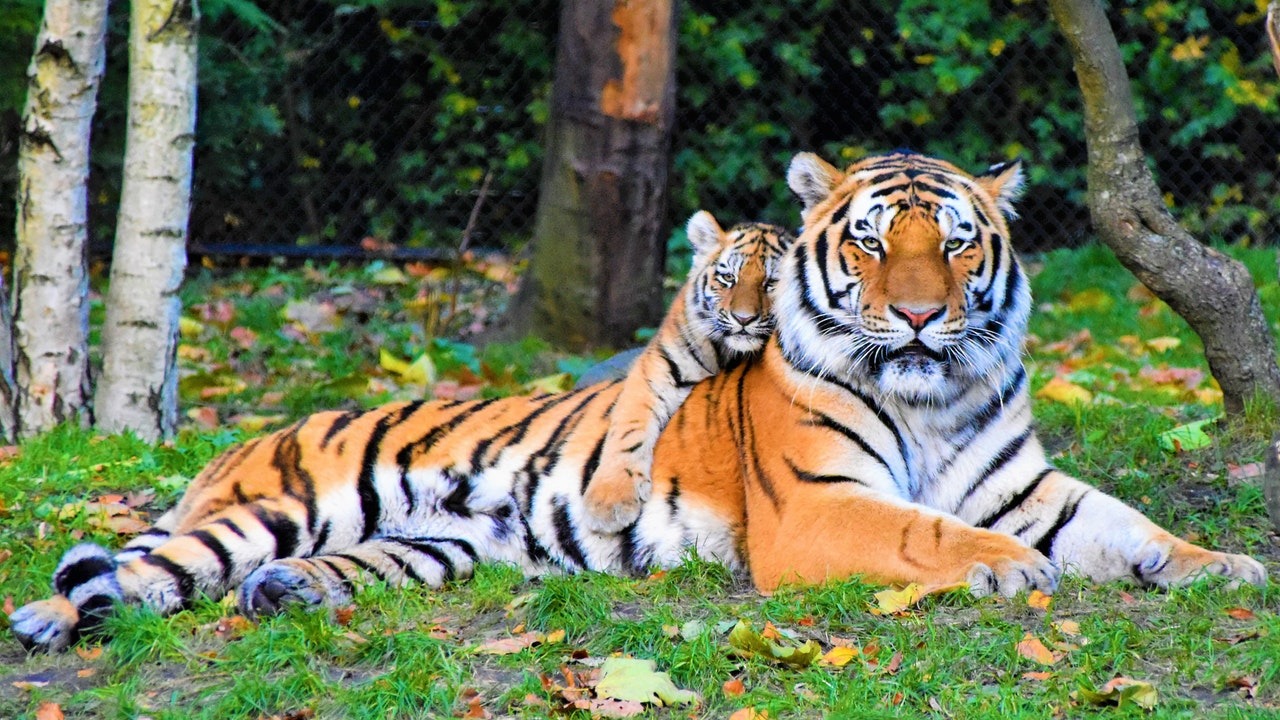
The idea of working with lions, tigers, and bears captivates countless people, but what does it actually take to care for these magnificent predators professionally?
A carnivore zoology course demystifies the complex knowledge required to work safely and effectively with nature’s apex predators. Far beyond simply feeding animals and cleaning enclosures, professional carnivore care demands comprehensive understanding of nutrition science, behaviour patterns, enrichment design, health monitoring, and safety protocols that protect both animals and humans.
Understanding exactly what you’ll learn before enrolling helps you assess whether carnivore zoology training aligns with your interests and career goals. These courses combine theoretical knowledge with practical applications, teaching the scientific principles that underpin every aspect of predator husbandry. Whether you dream of becoming a zoo keeper, wildlife rehabilitator, or conservation specialist, grasping the curriculum content helps you prepare for the fascinating but demanding education ahead.
Carnivore Classification and Evolution
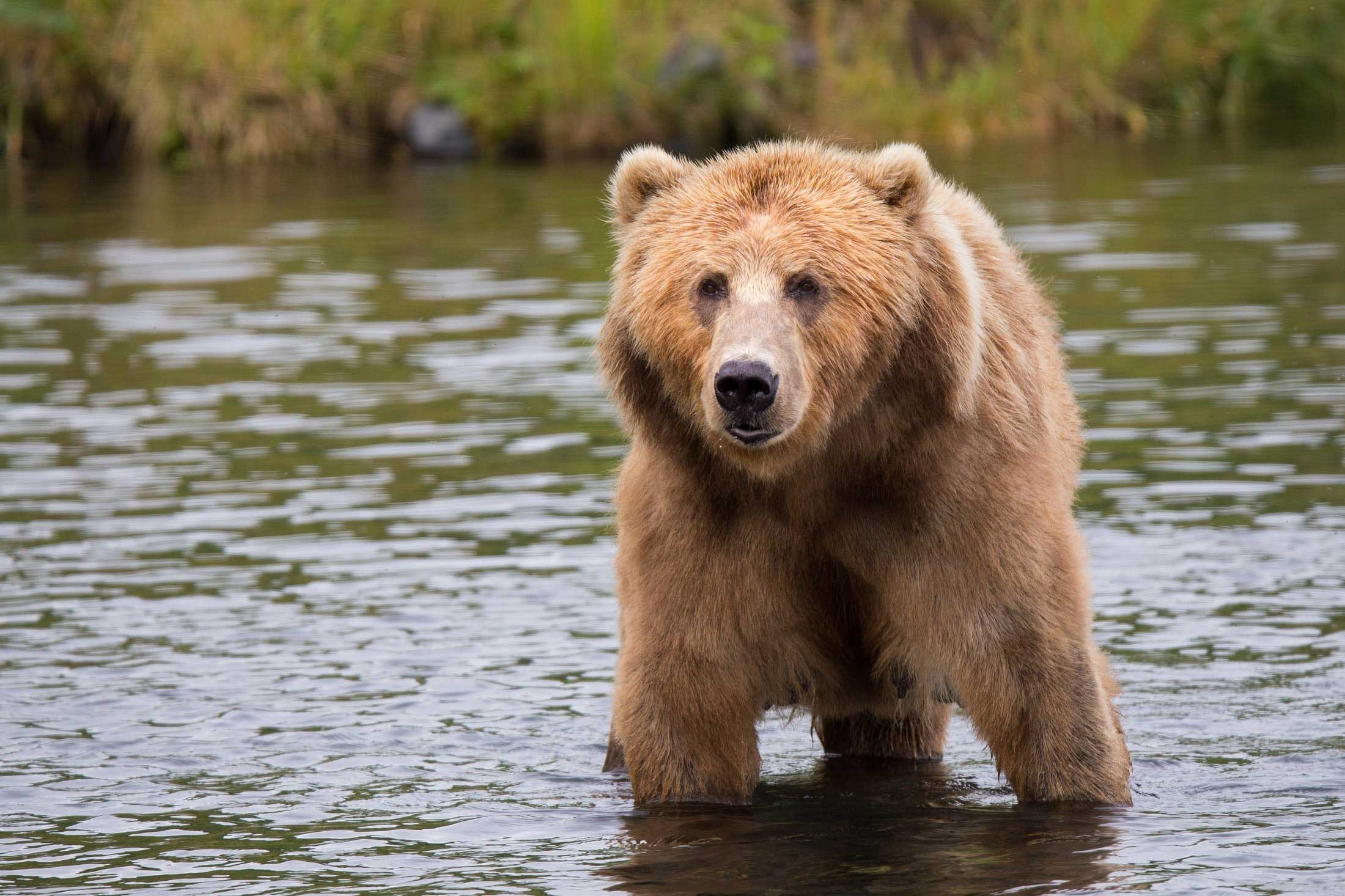
Your journey into carnivore zoology begins with taxonomy and evolutionary biology. Understanding how different predator families relate to each other and evolved their distinctive characteristics provides crucial context for everything else you’ll learn. The order Carnivora encompasses diverse families from felids (cats) to ursids (bears) to canids (dogs), each with unique evolutionary pathways.
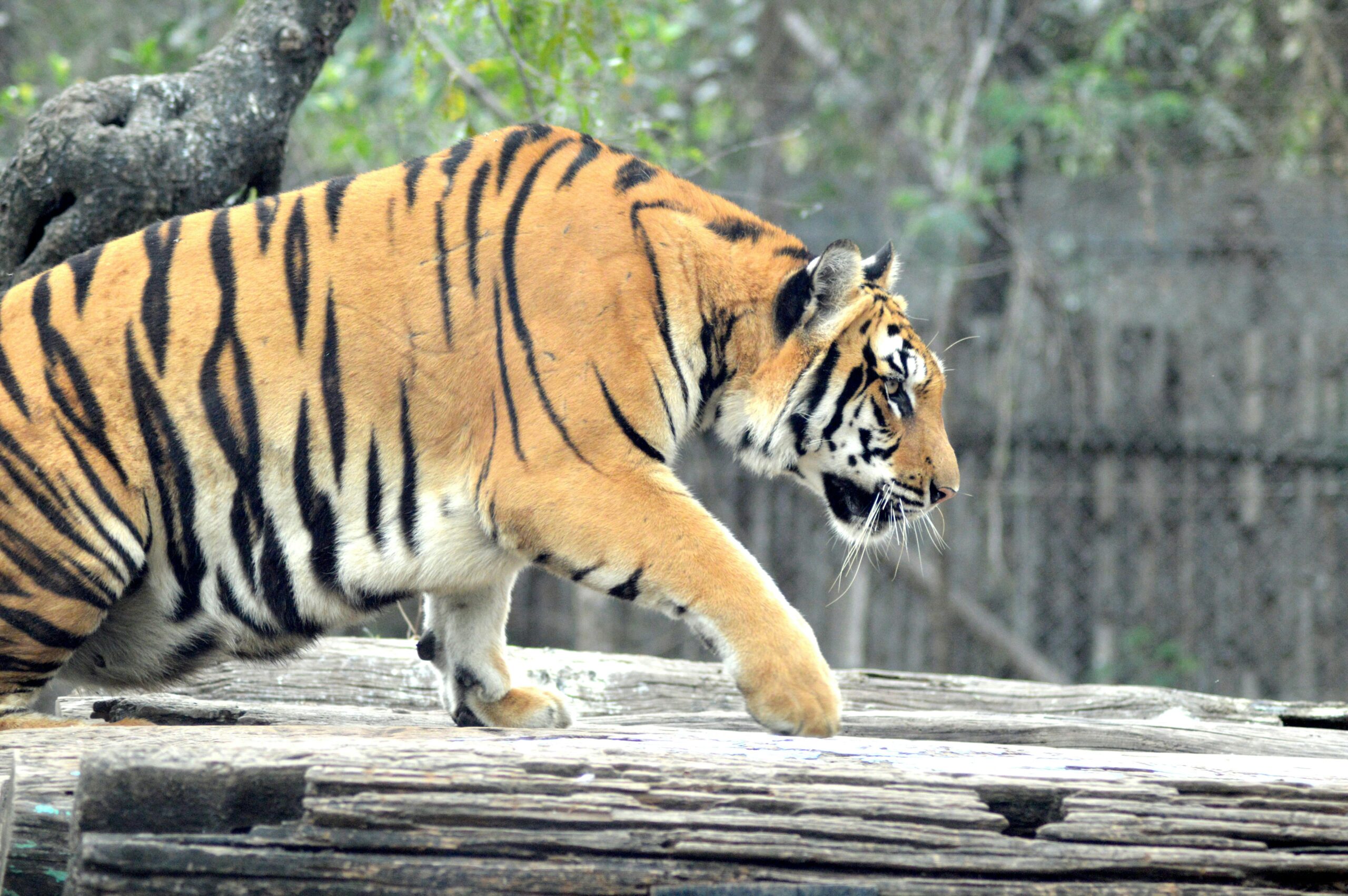
Felid evolution produced some of nature’s most specialised predators. From massive tigers weighing over 300 kilograms to diminutive black-footed cats barely reaching two kilograms, all cats share common ancestry yet diversified dramatically across different habitats and prey types. You’ll learn how obligate carnivory shaped their anatomy, physiology, and behaviour, making them fundamentally different from omnivorous carnivores.
Bear evolution created the most diverse carnivore family in terms of diet and lifestyle. From completely carnivorous polar bears to almost entirely herbivorous giant pandas, ursids demonstrate remarkable adaptability. Understanding this diversity explains why bear husbandry varies so dramatically between species and why you cannot apply polar bear management techniques to sun bears successfully.
Canid family evolution emphasises pack hunting, social complexity, and incredible adaptability to diverse environments. From Arctic wolves to African wild dogs to Australian dingoes, wild canids exhibit sophisticated social structures and communication systems. This evolutionary background informs captive management, particularly around social groupings and enrichment design.
Australian carnivore evolution followed unique pathways, producing marsupial predators like Tasmanian devils and various quoll species. Understanding convergent evolution between placental and marsupial carnivores reveals how similar ecological niches produce similar adaptations through different evolutionary mechanisms. These native species require specialised knowledge that overseas zoo keeping experience doesn’t provide.
Anatomy and Physiology of Predators
Carnivore anatomy reveals remarkable specialisations for hunting and consuming other animals. Studying skeletal structure, you’ll discover how big cat spines flex to enable their characteristic powerful pounce, why bears evolved plantigrade feet unlike most carnivores, and how canid legs are built for sustained running rather than explosive speed.
Dental anatomy distinguishes carnivores dramatically. Felids possess shortened jaws with specialised carnassial teeth perfect for shearing meat but poorly suited to grinding. Bears show varied dentition reflecting their omnivorous diets, with molars adapted for grinding plant material alongside carnivore-typical canines. Understanding dental structure helps you recognise species, assess health, and design appropriate diets.
Digestive system variations between carnivore families prove crucial for nutrition management. Obligate carnivores like cats have shortened digestive tracts optimised for meat digestion but poor at processing plant material. Omnivorous bears possess longer digestive systems with greater capacity for plant digestion. These anatomical differences dictate dietary requirements you’ll manage daily as a keeper.
Sensory systems in carnivores often exceed human capabilities dramatically. Learning about felid night vision, canid olfactory abilities, and pinniped underwater sensory adaptations helps you understand how these animals perceive their world. This knowledge informs exhibit design, enrichment selection, and interpreting behaviour based on what animals actually detect rather than human-centric assumptions.
Reproductive anatomy and cycles vary significantly across carnivore families. Understanding oestrus patterns, gestation periods, and maternal behaviour prepares you for potential breeding programme participation. From induced ovulation in felids to delayed implantation in bears, reproductive physiology differences require species-specific knowledge for successful captive breeding.
Carnivore Nutrition Science
Nutrition represents one of carnivore husbandry’s most technically demanding aspects. Moving far beyond “carnivores eat meat,” professional training teaches you the biochemical requirements, food preparation techniques, and dietary management that maintain optimal animal health throughout their lives.
Protein and amino acid requirements differ substantially between carnivore species. Obligate carnivores like felids require specific amino acids including taurine, which they cannot synthesise sufficiently themselves. Deficiency causes serious health issues including blindness and heart disease. You’ll learn to calculate protein requirements, assess feed quality, and supplement appropriately when needed.
Fat metabolism and requirements vary between species adapted to different climates and prey types. Arctic carnivores like polar bears metabolise fat differently than tropical species, with implications for captive diet formulation. Understanding these differences prevents obesity in species prone to weight gain whilst ensuring others receive adequate energy for maintenance and growth.
Vitamin and mineral supplementation becomes necessary with commercially prepared diets that don’t perfectly replicate natural prey nutrition. Learning which micronutrients require supplementation, appropriate dosages, and how to deliver supplements through food prevents nutritional deficiencies whilst avoiding toxicity from excessive supplementation.
Whole prey feeding versus prepared diets represents an ongoing debate in carnivore nutrition. You’ll learn the advantages and challenges of both approaches, from behavioural enrichment benefits of whole carcasses to the precise nutritional control of prepared diets. Many modern facilities use combinations, balancing nutritional management with natural feeding behaviours.
Feeding schedules and frequency impact both nutrition and enrichment. Wild carnivores eat irregularly, gorging after successful hunts then fasting for days. Replicating these natural patterns in captivity provides enrichment whilst more accurately matching evolutionary feeding ecology. You’ll learn to design feeding regimes that balance nutrition, enrichment, and practical management considerations.
Special dietary considerations arise throughout carnivores’ lives. Growing cubs need different nutrition than adults, pregnant and lactating females require increased energy and specific nutrients, and geriatric animals may need modified diets for dental issues or reduced activity. Training covers these life stage variations, preparing you for diverse nutritional management scenarios.
Behaviour and Natural History
Understanding carnivore behaviour separates competent keepers from exceptional ones. Every species exhibits behaviours shaped by evolutionary pressures in their natural habitat. Comprehensive training teaches you to recognise normal behaviours, interpret what animals are communicating, and identify concerning deviations that may indicate illness or poor welfare.
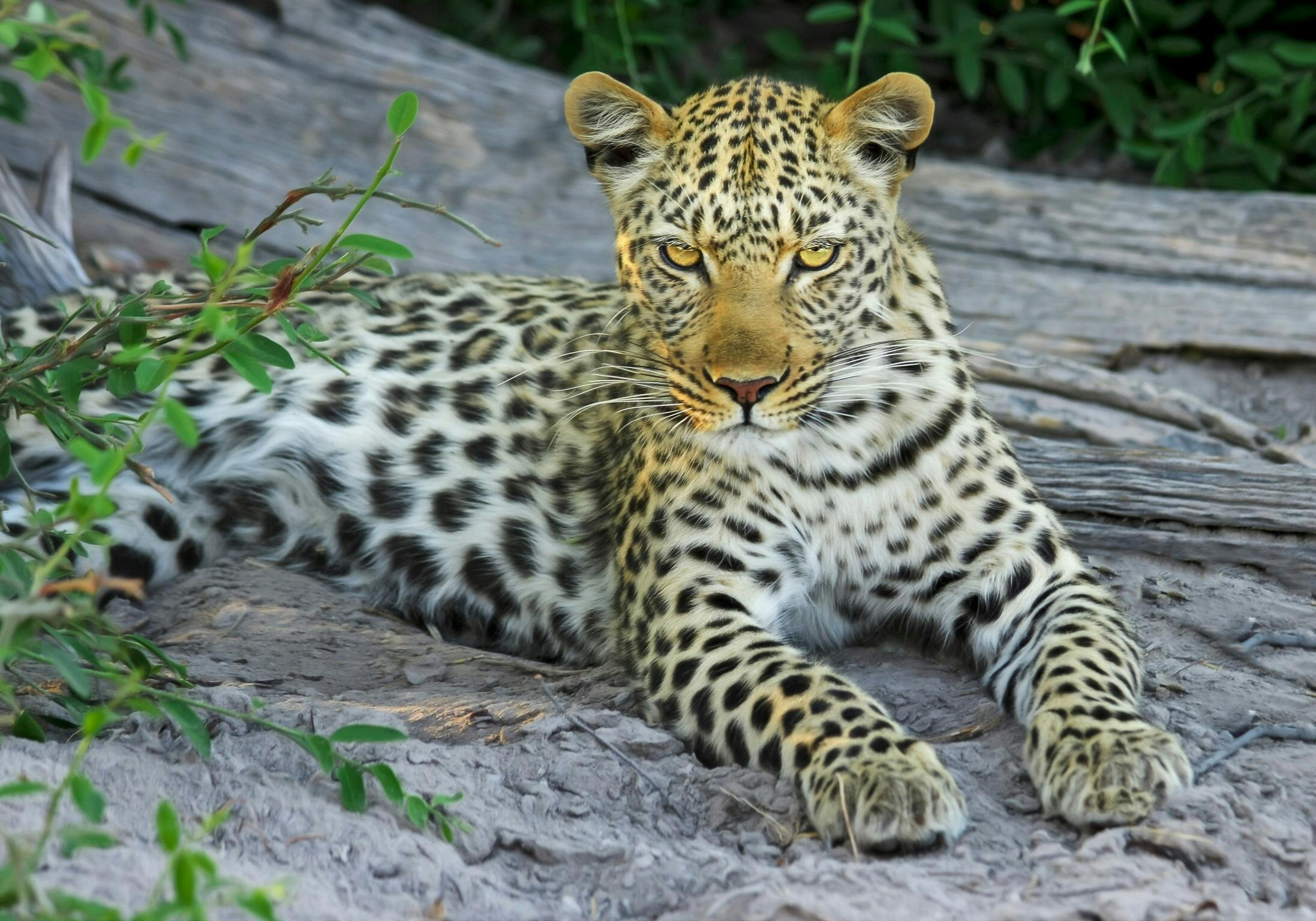
Territorial behaviour in felids creates management challenges in captivity. Most wild cats are solitary, with males and females only associating for breeding. Understanding territoriality helps you design appropriate enclosures, manage introductions carefully, and recognise conflict behaviours before serious aggression occurs. Lions’ unique social structure as the only gregarious felids requires completely different management approaches.
Social structures in pack-living species like wolves and African wild dogs demonstrate complex hierarchies, communication systems, and cooperative behaviours. You’ll learn to recognise dominance displays, submission signals, and the subtle interactions that maintain pack cohesion. This knowledge proves essential for managing social groups successfully and intervening appropriately when social dynamics become problematic.
Hunting behaviours and predatory sequences influence how carnivores interact with their environment and respond to enrichment. Understanding the stalk-chase-capture-kill-consume sequence helps you design enrichment that engages natural predatory instincts appropriately. Different species employ different hunting strategies from ambush predation to pack hunting, informing enrichment design.
Communication methods vary dramatically across carnivore families. Felids communicate through scent marking, vocalisations, and body language. Canids employ complex vocal repertoires alongside visual signals. Learning these communication systems allows you to interpret what animals are expressing and recognise signs of stress, aggression, or contentment that guide daily management decisions.
Reproductive behaviours from courtship through cub rearing require specialised understanding. Many carnivores exhibit specific behavioural sequences during breeding season, with males and females displaying distinct patterns. Understanding these behaviours helps you recognise breeding readiness, provide appropriate conditions for mating, and support maternal care without inappropriate interference.
Play behaviour in carnivores serves essential developmental and social functions. Young predators refine hunting skills through play whilst strengthening social bonds and practicing behaviours they’ll need as adults. Recognising healthy play versus problematic aggression helps you assess welfare and intervene appropriately when necessary.
Health Monitoring and Common Diseases
Daily health monitoring forms a critical keeper responsibility. Learning to recognise subtle health changes allows early intervention before minor issues become serious problems. Your training covers systematic observation techniques that catch health concerns others might miss.
Physical examination skills you’ll develop include assessing body condition, checking for injuries or abnormalities, evaluating gait and movement, and monitoring breathing patterns. These non-invasive observations provide crucial health information without requiring animal restraint or veterinary procedures.
Common carnivore diseases vary by family and species. Felids are susceptible to feline infectious diseases that can devastate captive populations without proper biosecurity. Canids face different disease pressures including distemper and parvovirus. Understanding disease risks specific to species you’re managing allows appropriate preventive measures and rapid recognition of illness.
Parasite management requires vigilance and species-specific knowledge. Internal parasites from roundworms to tapeworms affect different carnivores differently, whilst external parasites like ticks and mites can cause serious issues if uncontrolled. You’ll learn to recognise parasite signs, implement prevention programmes, and work with veterinary staff for treatment when necessary.
Dental health challenges arise frequently in captive carnivores. Poor diets or lack of appropriate feeding enrichment lead to dental disease that impacts overall health. Learning to recognise dental problems through behavioural changes and visual examination allows early intervention that prevents serious issues.
Obesity represents a significant welfare concern for captive carnivores, particularly bears and large felids. Understanding body condition scoring, calculating appropriate food quantities, and implementing weight management programmes prevents obesity-related health problems from arthritis to heart disease.
Safety Protocols and Risk Management
Working with potentially dangerous animals requires unwavering commitment to safety protocols that protect both staff and animals. Your training emphasises that safety isn’t optional or negotiable, but fundamental to professional carnivore husbandry.
Protected contact management forms the foundation of modern carnivore keeping. Barriers always separate keepers from dangerous animals, eliminating direct contact that could result in injury or death. Understanding how to work effectively within protected contact systems whilst maintaining animal welfare represents a crucial skill.
Lockout procedures ensure multiple barriers between keepers and animals during high-risk activities like cleaning or maintenance. You’ll learn systematic processes for verifying animal locations, securing lock mechanisms, and maintaining constant awareness of animal movements. These protocols become second nature through repetition and unwavering adherence.
Emergency protocols prepare you for worst-case scenarios from animal escapes to human injuries to natural disasters. Training covers evacuation procedures, communication systems, emergency equipment location, and decision-making frameworks during crisis situations. Regular drills reinforce these protocols so they become automatic during actual emergencies.
Risk assessment skills help you identify potential hazards before incidents occur. Learning to evaluate situations from exhibit design to enrichment items to routine procedures allows you to prevent problems rather than merely responding after accidents happen. This proactive mindset distinguishes safety-focused professionals from those who accumulate close calls until serious incidents occur.
Personal protective equipment appropriate to different tasks includes everything from basic work clothes to specialised equipment for particular situations. Understanding when and how to use protective equipment properly ensures you’re adequately protected without creating new hazards through equipment misuse.

Enrichment Design for Carnivores
Environmental enrichment represents one of the most creative and rewarding aspects of carnivore care. Learning to design enrichment that engages natural behaviours whilst maintaining safety challenges your imagination and problem-solving abilities.
Feeding enrichment encourages natural foraging and predatory behaviours. From frozen treats requiring manipulation to hanging carcasses that must be pulled down, food-based enrichment combines nutrition with behavioural stimulation. You’ll learn to create feeding challenges appropriate to different species’ natural hunting strategies whilst ensuring all animals receive adequate nutrition regardless of competitive ability.
Scent enrichment utilises carnivores’ highly developed olfactory senses to provide novel stimulation. Different scents from spices to animal scents to natural materials create interest and encourage investigative behaviours. Understanding which scents are safe, how to present them effectively, and monitoring responses ensures enrichment succeeds without causing stress.
Structural enrichment modifies enclosures to increase complexity and provide varied environments. Adding climbing structures for arboreal species, creating hide boxes for security-seeking animals, or varying substrate types engages different behaviours throughout the day. Learning to design structural changes that enhance welfare without compromising safety or ease of maintenance requires balancing multiple considerations.
Social enrichment for species that naturally live in groups provides essential welfare benefits but requires careful management. Understanding which species benefit from social housing, appropriate group compositions, and monitoring for conflict ensures social enrichment succeeds. Even solitary species may benefit from controlled access to conspecifics during breeding season or visual/olfactory contact that doesn’t require physical proximity.
Cognitive enrichment challenges problem-solving abilities and mental engagement. Puzzle feeders, novel objects, and training sessions provide mental stimulation as important as physical exercise. You’ll learn to design cognitive challenges appropriate to different species’ intelligence and natural behaviours.
Training as enrichment employs operant conditioning to teach behaviours that facilitate husbandry procedures whilst providing mental stimulation. From voluntary blood draws to scale training, these behaviours improve animal welfare and safety during necessary procedures. Learning training principles and their application to carnivore management forms an increasingly important component of modern carnivore husbandry.
Begin Your Carnivore Zoology Education
Understanding what you’ll learn in a carnivore zoology course reveals the comprehensive knowledge required for professional predator care. This isn’t casual animal watching but serious scientific study combined with practical husbandry skills. The depth and breadth of information might seem overwhelming initially, but structured education breaks complex topics into manageable units whilst building your confidence alongside knowledge.
My Learning Online’s Certificate in Animal Studies provides foundational animal care knowledge applicable across species. Our comprehensive programme covers welfare principles, husbandry fundamentals, and biological concepts that underpin specialised carnivore training. This foundation prepares you for advanced study whilst building skills immediately useful in any animal care context.
Flexible online delivery allows you to progress through complex material at your own pace, revisiting challenging concepts and accelerating through familiar territory. With 24/7 course access, expert tutor support, and payment plans from just $30 per week, professional animal care education becomes accessible regardless of your circumstances. All study materials are included, eliminating unexpected costs as you build expertise.
Ready to explore careers working with extraordinary predators? Discover our complete guide to animal career pathways, learn about animal husbandry principles, and explore high-paying wildlife opportunities. Your journey to working with lions, tigers, and bears begins with understanding exactly what that career requires.