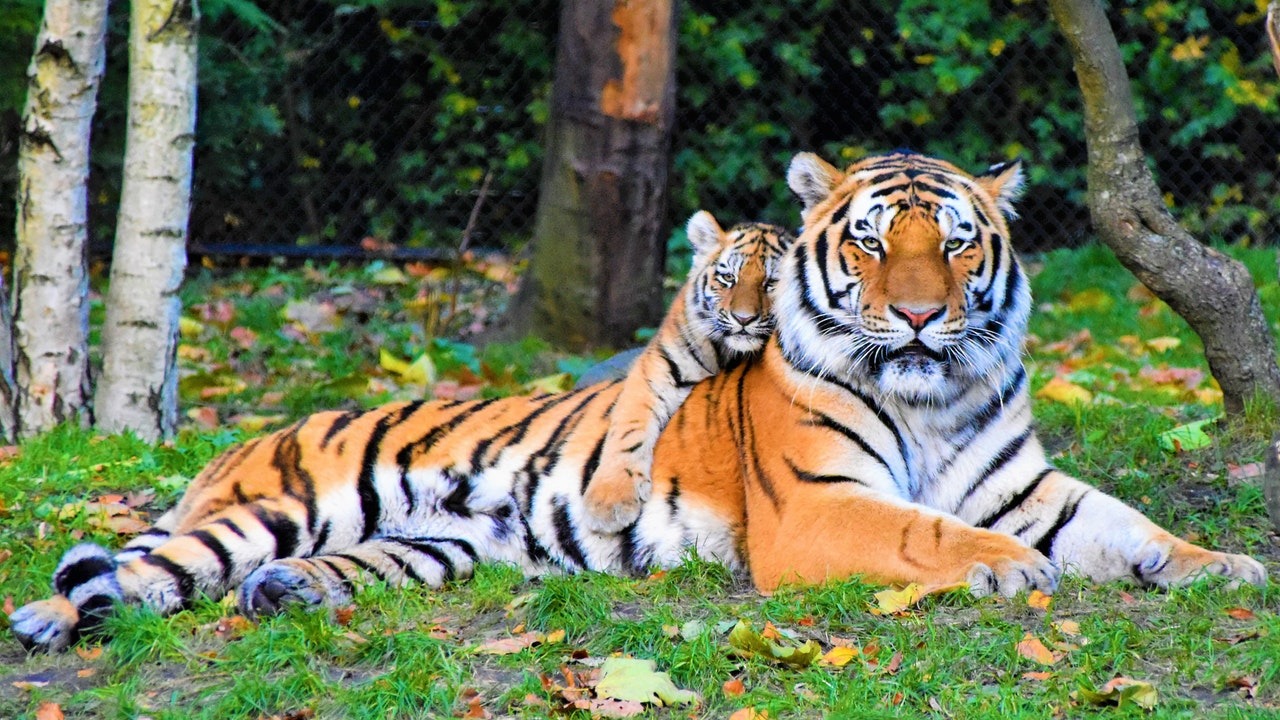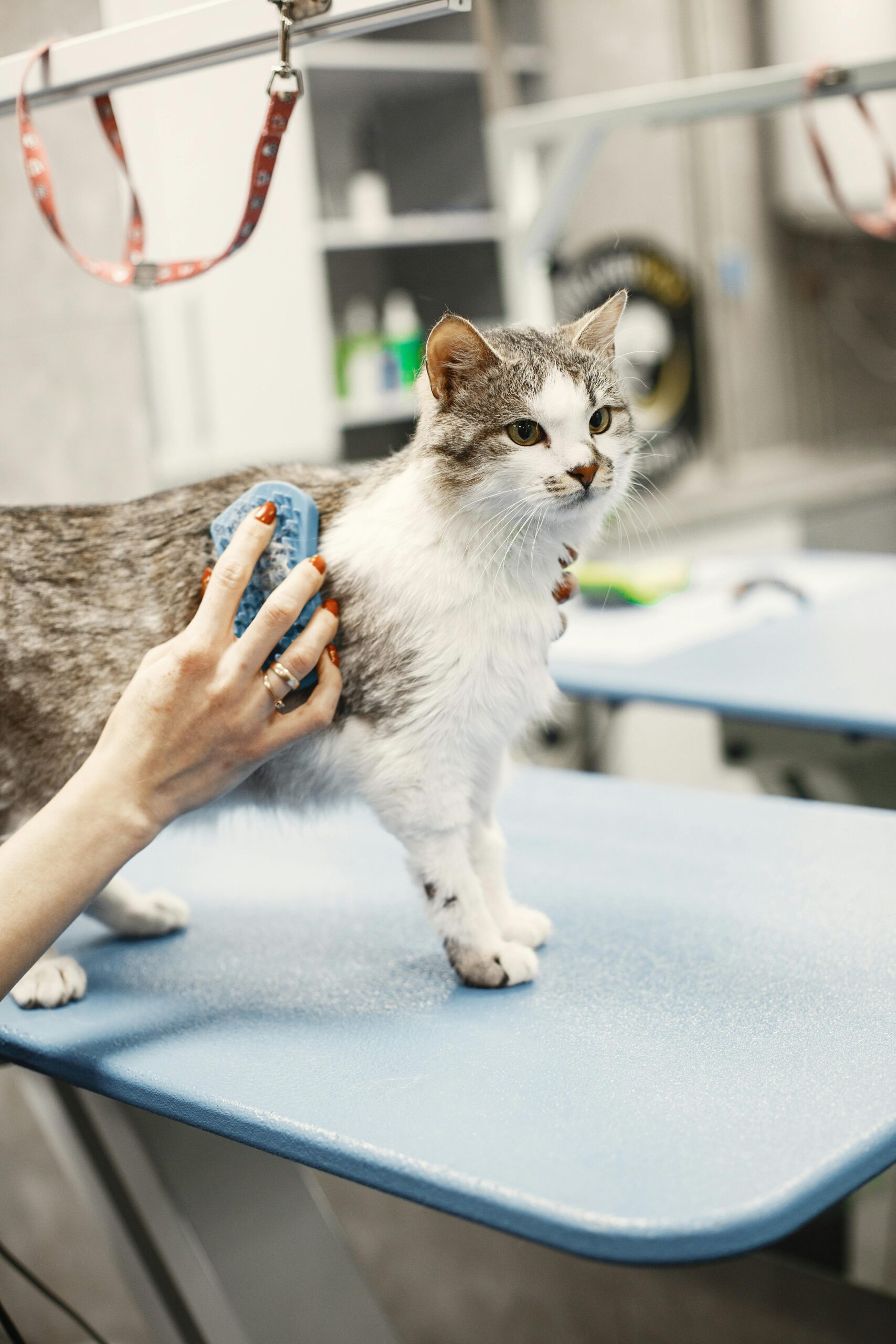

Few animals captivate human imagination like big cats and apex predators. The power of lions, the stealth of leopards, the majesty of tigers, and the intelligence of bears represent nature’s most spectacular evolutionary achievements. If you’ve ever watched a carnivore exhibit at the zoo and thought “I want to work with these incredible animals,” a carnivore zoology course could be your pathway to turning that dream into daily reality. Working with predatory species requires specialised knowledge, unwavering dedication, and comprehensive training that prepares you for both the rewards and responsibilities of carnivore care.
Australia’s zoos, wildlife parks, and sanctuaries house impressive collections of exotic carnivores alongside our unique native predators like dingoes, Tasmanian devils, and various quolls.
According to the Zoo and Aquarium Association, Australian zoological facilities collectively employ thousands of animal care professionals, with specialist positions for those trained in carnivore husbandry increasingly in demand. The sector’s growth, driven by conservation programmes, public education initiatives, and tourism, creates genuine opportunities for qualified individuals passionate about predatory species.
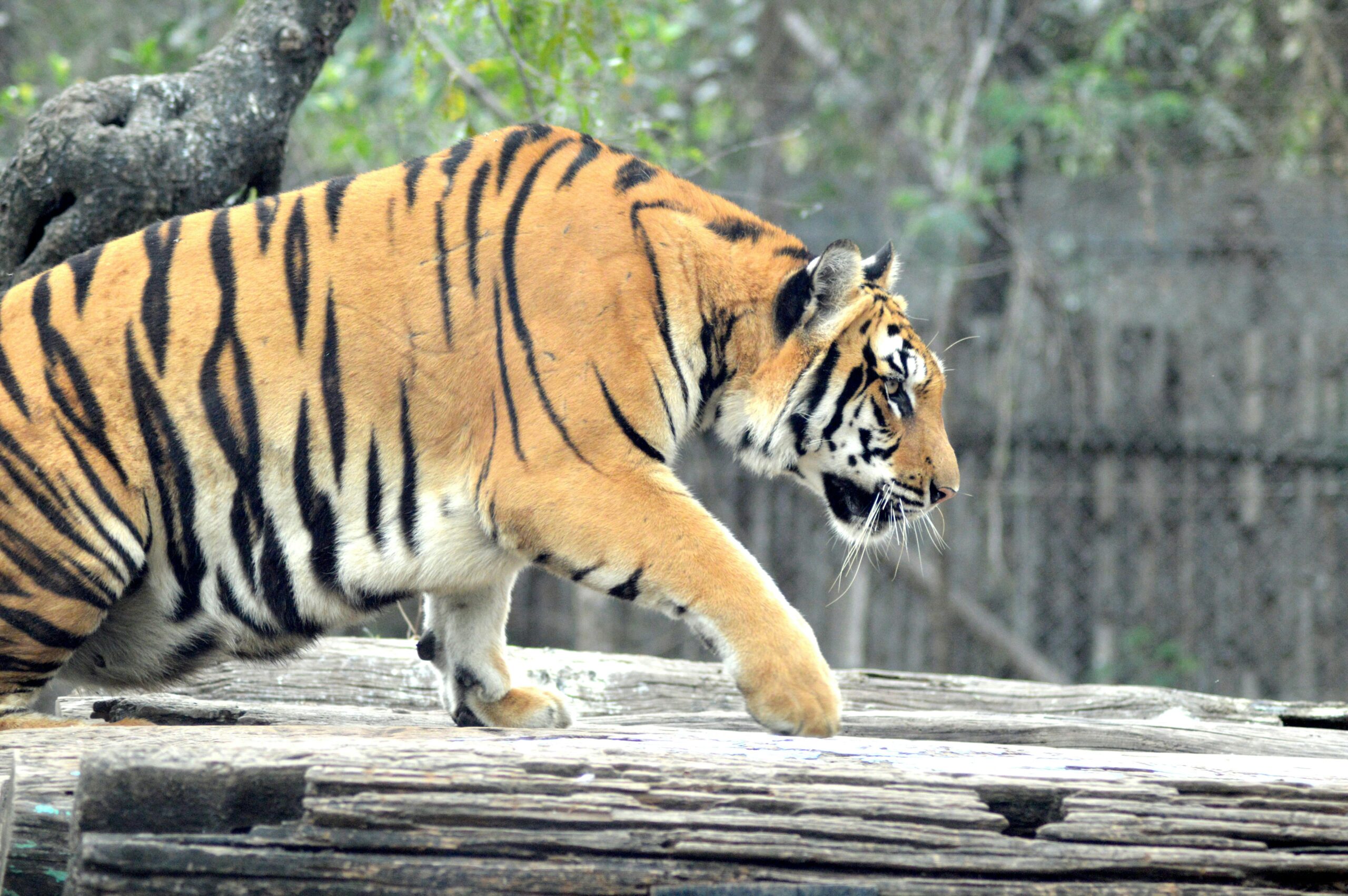
Understanding Carnivore Zoology as a Specialisation
Carnivore zoology represents one of the most demanding yet rewarding specialisations in animal care. Unlike working with herbivores or domestic animals, carnivore species present unique challenges around safety, nutrition, behaviour management, and regulatory compliance. These magnificent animals deserve caregivers who understand their complex needs, natural behaviours, and the immense responsibility that comes with managing potentially dangerous species.
The technical complexity of carnivore care justifies specialised training beyond general animal care qualifications. Each predator family has distinct dietary requirements, social structures, environmental needs, and behavioural characteristics. What works for caring for big cats fails miserably with bears, whilst canid husbandry differs again from mustelid or pinniped management. A comprehensive carnivore zoology course teaches you these critical distinctions that mean the difference between thriving animals and welfare failures.
Safety protocols for carnivore facilities exceed requirements for other zoo animals. Understanding lockout procedures, shift gates, contact barriers, and emergency protocols protects both animals and staff. Training covers recognising pre-aggression behaviours, appropriate tool use for animal management, and maintaining constant situational awareness that prevents accidents before they occur.
Conservation context elevates carnivore work beyond entertainment or public display. Many big cats, bears, and other predators face extinction in the wild due to habitat loss, human-wildlife conflict, and illegal trade. Zoos increasingly function as genetic reservoirs and breeding centres for endangered species whilst educating the public about conservation needs. Working with carnivores means participating in global efforts to prevent species extinction.
What You’ll Learn in Carnivore Zoology Training
Comprehensive carnivore zoology education encompasses multiple interconnected knowledge areas. Anatomy and physiology form the foundation, teaching you the unique adaptations that make carnivores such effective predators. Understanding dentition, digestive systems, sensory capabilities, and skeletal structure helps you recognise health issues, design appropriate enrichment, and appreciate these animals’ remarkable evolutionary specialisations.
Carnivore nutrition represents one of the most technically challenging aspects of predator husbandry. Different species have vastly different nutritional requirements, with obligate carnivores like felids requiring different nutrients than omnivorous bears or specialised feeders like fish-eating species. You’ll learn to calculate dietary requirements, prepare appropriate feeds, supplement where necessary, and recognise nutrition-related health issues.
Animal behaviour and natural history knowledge distinguishes competent keepers from exceptional ones. Understanding territorial behaviour, social structures, hunting strategies, and communication methods allows you to interpret what animals are telling you through their behaviour. This knowledge proves essential for recognising stress, illness, reproductive readiness, and potential aggression before situations become dangerous.
Enrichment design specifically for carnivores challenges keepers to stimulate natural behaviours in captive environments. Predators evolved to hunt, patrol territories, and solve complex problems daily. Captivity removes these natural occupations, potentially leading to stereotypic behaviours and poor welfare. Training teaches you to create enrichment that engages carnivores mentally and physically whilst maintaining safety for both animals and staff.
Health monitoring and basic medical knowledge allow keepers to recognise early signs of illness and communicate effectively with veterinarians. Daily observations of appetite, faecal consistency, behaviour changes, and physical condition provide crucial information about animal health. Understanding common carnivore diseases, parasite management, and quarantine protocols ensures you contribute effectively to preventive health programmes.
Captive breeding and reproduction management form essential components of modern zoo carnivore programmes. Many facilities participate in coordinated breeding programmes for endangered species, requiring keepers who understand reproductive cycles, maternal behaviour, cub rearing, and genetic management principles. Your training covers these topics, preparing you to support critical conservation breeding initiatives.
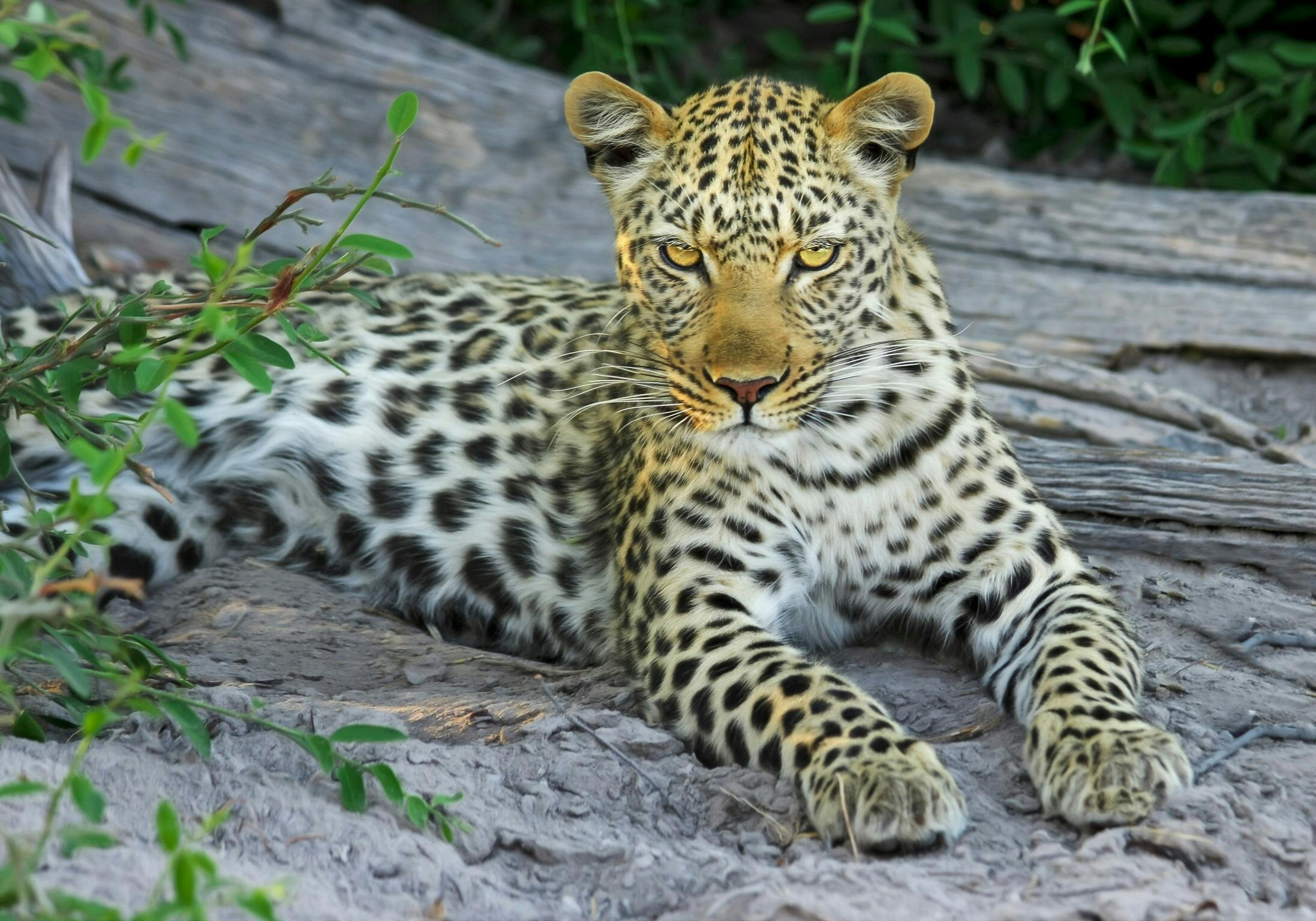
Career Pathways Working with Carnivores
Zoo keeper positions represent the most direct pathway to working with carnivores. Entry-level keepers typically work across multiple sections, gaining broad experience before specialising. Salaries start around $55,000 to $65,000, progressing to $70,000 to $85,000+ for experienced keepers with specialist skills. Senior keeper roles managing carnivore sections can reach $100,000 to $130,000+ in major zoological institutions.
Wildlife park positions often focus more on native carnivores like dingoes, devils, and quolls rather than exotic species. These roles combine animal care with public education and conservation messaging. Working conditions may be more rustic than major zoos, but opportunities to work with Australian species appeal to many animal care professionals. Salaries typically align with zoo keeper ranges, varying by facility size and location.
Animal training and enrichment specialist positions have emerged in larger facilities, focusing specifically on behaviour management, enrichment design, and training programmes. These roles require additional expertise beyond basic husbandry, often developing after years of keeper experience. Specialists can earn $70,000 to $95,000 depending on facility and responsibilities.
Conservation programmes internationally sometimes recruit Australian-trained carnivore specialists for field positions or captive breeding facilities abroad. These opportunities vary enormously in location, conditions, and compensation but offer unique experiences working with species and conservation challenges impossible to access in Australia.
Regulatory and inspection roles exist within government departments overseeing zoo licensing, animal welfare, and dangerous animal management. These positions draw on practical carnivore husbandry knowledge whilst focusing on compliance, safety standards, and welfare assessment. Government positions typically offer salaries of $70,000 to $100,000 with strong job security.
Australian Context for Carnivore Work
Australia’s geographical isolation means limited exposure to exotic carnivores in domestic settings, making zoos the primary employers for those wanting hands-on experience with big cats, bears, and other international predators. Major facilities like Taronga Zoo, Melbourne Zoo, Australia Zoo, and Monarto Safari Park maintain significant carnivore collections requiring qualified staff.
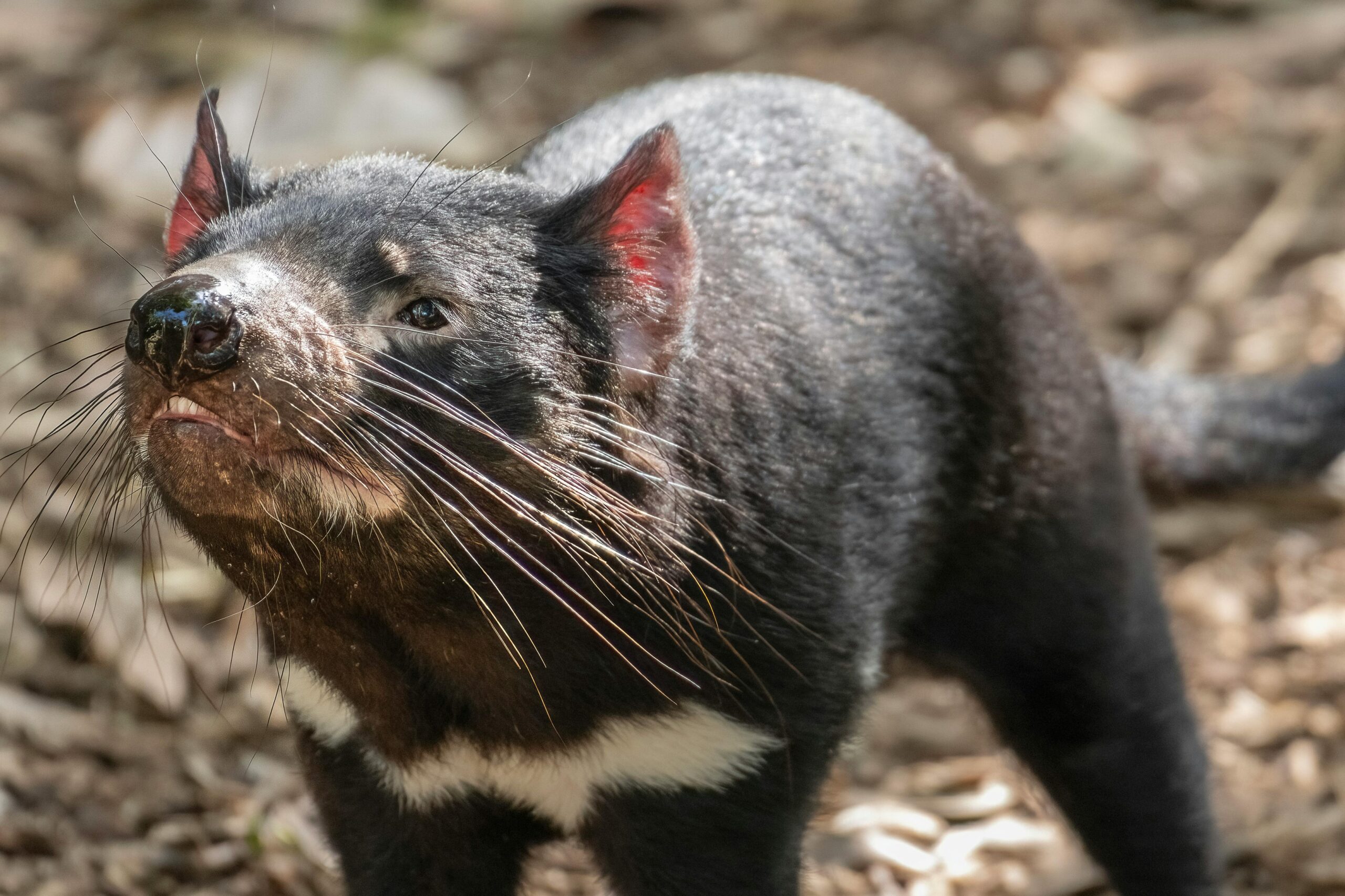
Native Australian carnivores present their own fascinating challenges and opportunities. Dingoes occupy a unique position between domestic dogs and wild predators, requiring specialist understanding of their behaviour and management needs. Tasmanian devils face extinction threats from devil facial tumour disease, making captive insurance populations critically important. Various quoll species need expertise in small carnivore husbandry for conservation breeding programmes.
Regulatory frameworks governing carnivore keeping vary across states and territories. Understanding dangerous animal licencing, facility requirements, and record-keeping obligations forms part of professional practice. Some jurisdictions restrict or prohibit private keeping of certain species, concentrating carnivore work in licenced zoo facilities.
Australia’s distance from major carnivore populations in Africa, Asia, and the Americas limits opportunities for international field experience during initial career stages. However, established professionals often find opportunities to participate in conservation projects, research programmes, or facility exchanges that provide international exposure later in careers.
The Zoo and Aquarium Association sets standards for Australasian zoological facilities, including carnivore husbandry guidelines, breeding programme coordination, and professional development. Engaging with ZAA activities demonstrates professional commitment whilst accessing resources and networking opportunities that advance your career.
The Reality of Working with Dangerous Animals
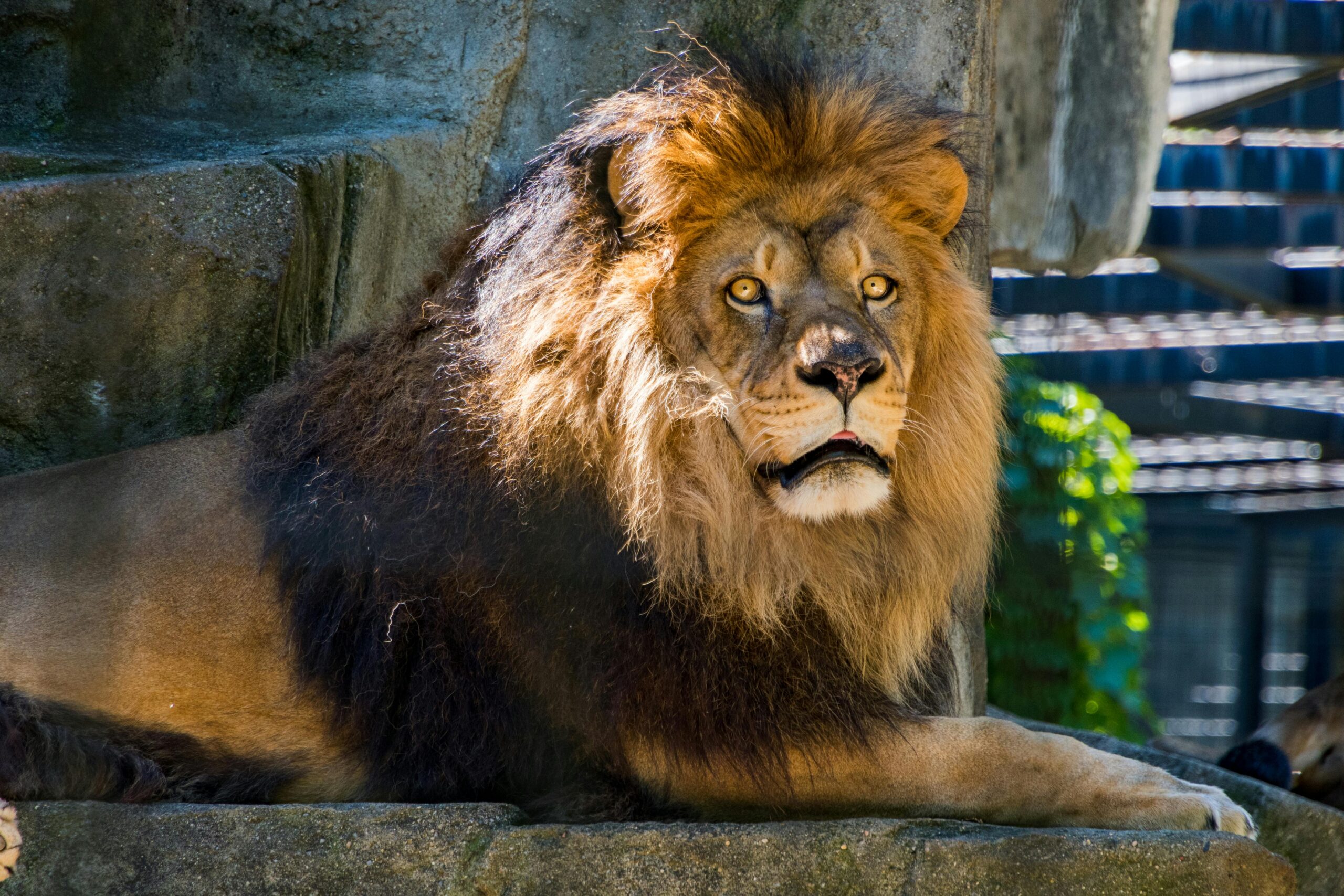
Romanticised perceptions of carnivore work often clash with practical realities. The job involves substantial physical labour, working in all weather conditions, handling faeces and other bodily fluids, and maintaining rigorous safety protocols that limit direct animal interaction. Understanding these realities helps you enter the field with appropriate expectations rather than disillusioning surprises.
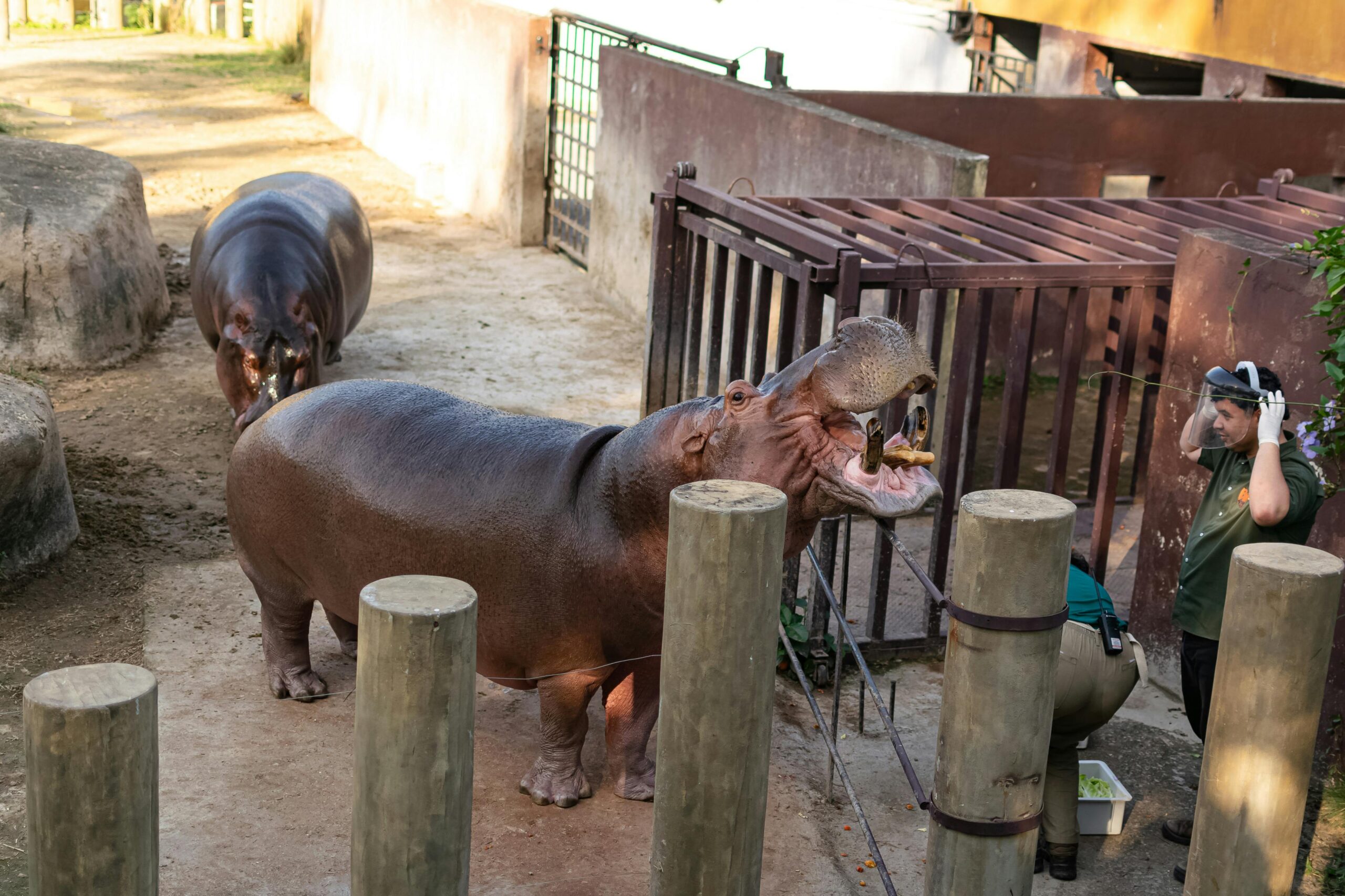
Physical demands of carnivore keeping exceed many people’s expectations. Preparing diets requires lifting heavy carcasses, cutting meat, and portioning feeds. Facility maintenance involves pressure washing, landscaping, repairing exhibits, and moving heavy equipment. You’ll work outdoors in summer heat and winter cold, maintaining animals regardless of your comfort or convenience.
Safety protocols strictly limit direct contact with dangerous carnivores. Modern zoo keeping emphasises protected contact management, where barriers always separate keepers from potentially dangerous animals. This means less “hands-on” interaction than popular media suggests, focusing instead on relationship building through training, feeding routines, and behavioural observation.
Emotional challenges accompany carnivore work. Animals you’ve cared for years die from illness, age, or sometimes necessity. Breeding programmes send youngsters to other facilities, breaking bonds you’ve developed. Some animals never thrive in captivity despite best efforts, presenting ethical dilemmas and emotional strain. Resilience and professional boundaries become essential for long-term career sustainability.
Career progression often requires geographic mobility. Specialist carnivore positions concentrate in major zoological facilities, predominantly in capital cities or significant tourist locations. Advancing your career may mean relocating away from family, friends, and familiar environments. Understanding this reality helps you plan appropriately rather than feeling trapped by limited local opportunities.
Competition for positions remains intense. Many people dream of working with big cats and predators, but positions are limited. Building competitive applications requires combining formal qualifications with volunteer experience, practical skills, and demonstrated commitment that distinguishes you from other applicants. Success demands persistence, flexibility, and often years of preparation before securing your ideal role.
Building Your Carnivore Career Foundation
Starting a career working with carnivores requires strategic planning and realistic timelines. Most people don’t leap directly from qualification into specialist carnivore positions. Building your career typically involves volunteering, accepting diverse animal care roles, and gradually specialising as opportunities emerge.
Volunteer experience at zoos, wildlife parks, or sanctuaries provides crucial exposure to professional animal care whilst building your resume. Even unpaid positions demonstrate commitment, allow you to learn from experienced keepers, and create networking connections that often lead to paid positions. Many permanent zoo keepers started as dedicated volunteers who proved their reliability and passion.
Formal qualifications form your foundational credibility. Whilst practical experience matters enormously, qualifications demonstrate systematic knowledge that practical experience alone cannot convey. Combining a carnivore zoology course with broader animal welfare training creates the comprehensive skill set employers seek.
Starting in non-carnivore positions builds essential zoo keeping skills applicable across sections. Many facilities hire entry-level keepers into bird, reptile, or herbivore sections before allowing progression into carnivore work. These roles teach fundamental husbandry, safety protocols, and professional standards whilst you prove your capabilities and build seniority.
Continuous professional development through workshops, conferences, and additional qualifications demonstrates ongoing commitment. The animal care field constantly evolves with new research, management techniques, and welfare understanding. Engaging with professional development shows you’re serious about career excellence rather than viewing zoo keeping as merely “working with cool animals.”
Preparing for the Physical and Mental Demands
Carnivore work requires excellent physical fitness and robust mental health. The job’s demands go far beyond feeding and watching animals, requiring stamina, strength, and psychological resilience that not everyone possesses. Honest self-assessment about your physical and mental capabilities helps you prepare appropriately or recognise whether this career truly suits you.
Physical conditioning before entering the field reduces injury risk and improves job performance. Building strength for lifting heavy items, cardiovascular fitness for sustained physical work, and flexibility for varied movements prepares your body for the role’s demands. Many keepers maintain regular fitness routines throughout their careers to sustain physical capability.
Heat and cold tolerance becomes essential as you’ll work outdoors regardless of weather. Australian summers bring intense heat that compounds physical labour’s demands, whilst winter mornings require working before dawn in freezing conditions. Appropriate clothing, hydration strategies, and acclimatisation help you manage these environmental challenges.
Shift work and irregular hours characterise many zoo positions. Animals need care every day including weekends and holidays, with early morning and late evening duties common. This schedule impacts social life, family time, and personal routines. People who thrive in structured 9-to-5 environments often struggle with zoo keeping’s demands.
Stress management techniques help you handle the emotional and physical pressures inherent to animal care. Developing healthy coping mechanisms for grief, frustration, and the constant vigilance required around dangerous animals protects your long-term wellbeing. Many facilities offer employee assistance programmes recognising the unique stresses animal care professionals face.
Taking Your First Steps Toward Carnivore Work
Transforming your fascination with predators into a viable career begins with structured education that teaches the scientific knowledge and practical skills employers require. Understanding anatomy, nutrition, behaviour, and husbandry principles distinguishes qualified candidates from enthusiasts without formal training.
The pathway from education to employment requires patience, persistence, and realistic expectations. Few people secure their dream position immediately after qualification. Building your career typically involves years of volunteer work, diverse animal care experience, and gradually specialising as opportunities arise. Those who succeed combine passion with pragmatism, accepting necessary stepping stones rather than demanding immediate access to ideal positions.
Australia’s small but passionate community of carnivore specialists offers mentorship, guidance, and eventual opportunities for those who prove their commitment. Building relationships within this community through professional associations, facility visits, and industry events creates pathways that advertised positions never reveal.
Begin Your Carnivore Zoology Journey Today
My Learning Online’s comprehensive Certificate in Animal Studies provides foundational knowledge essential for carnivore specialisation. Our programme covers animal biology, welfare principles, and husbandry fundamentals that apply across species whilst building toward specialist knowledge of predatory animals.
Flexible online study allows you to begin your education without disrupting current commitments. With 24/7 access to course materials, expert tutor support, and payment plans from just $30 per week, professional animal care training becomes accessible regardless of your circumstances. All study materials are included, so you can focus entirely on building the expertise that launches your carnivore care career.
Ready to explore working with Australia’s most fascinating animals? Check out our complete guide to animal care careers, discover high-paying wildlife opportunities, and explore our full range of specialist animal courses. Your journey to working with lions, tigers, and bears starts with a single decision today.