
Australian native flowers are experiencing a renaissance in floristry—and for good reason. These distinctive blooms offer unique textures, bold forms, exceptional longevity, and sustainable local sourcing that imported flowers can’t match. From the iconic red waratah to delicate wax flowers, Australian natives provide florists with an extraordinary palette for creating arrangements that are unmistakably, beautifully Australian.
This comprehensive guide explores the best native Australian flowers for floristry, covering their characteristics, seasonal availability, conditioning requirements, design applications, and why these remarkable blooms deserve a central place in contemporary Australian floristry.
Why Australian Native Flowers Are Flourishing in Floristry
The Growing Demand:
- 300% increase in native flower usage in Australian weddings (2015-2025)
- Sustainability focus driving local flower sourcing
- Unique aesthetic impossible to replicate with imported flowers
- Exceptional vase life (often 2-3x longer than traditional flowers)
- Reduced carbon footprint compared to imported flowers
According to Flowers Victoria industry reports, Australian native flowers now feature in over 50% of Melbourne weddings, up from less than 15% a decade ago—a trend reflected nationally.
Environmental Benefits:
- Local sourcing reduces transport emissions
- Grown in natural Australian climates (less intensive cultivation)
- Support Australian growers and rural economies
- Naturally adapted to Australian conditions (less water, fewer chemicals)
Design Advantages:
- Textural variety unavailable in traditional flowers
- Bold, sculptural forms create statement pieces
- Colour palette ranges from subtle to dramatic
- Long-lasting (reducing waste and increasing client satisfaction)
- Photogenic (social media has boosted native flower popularity)
The Iconic Australian Natives
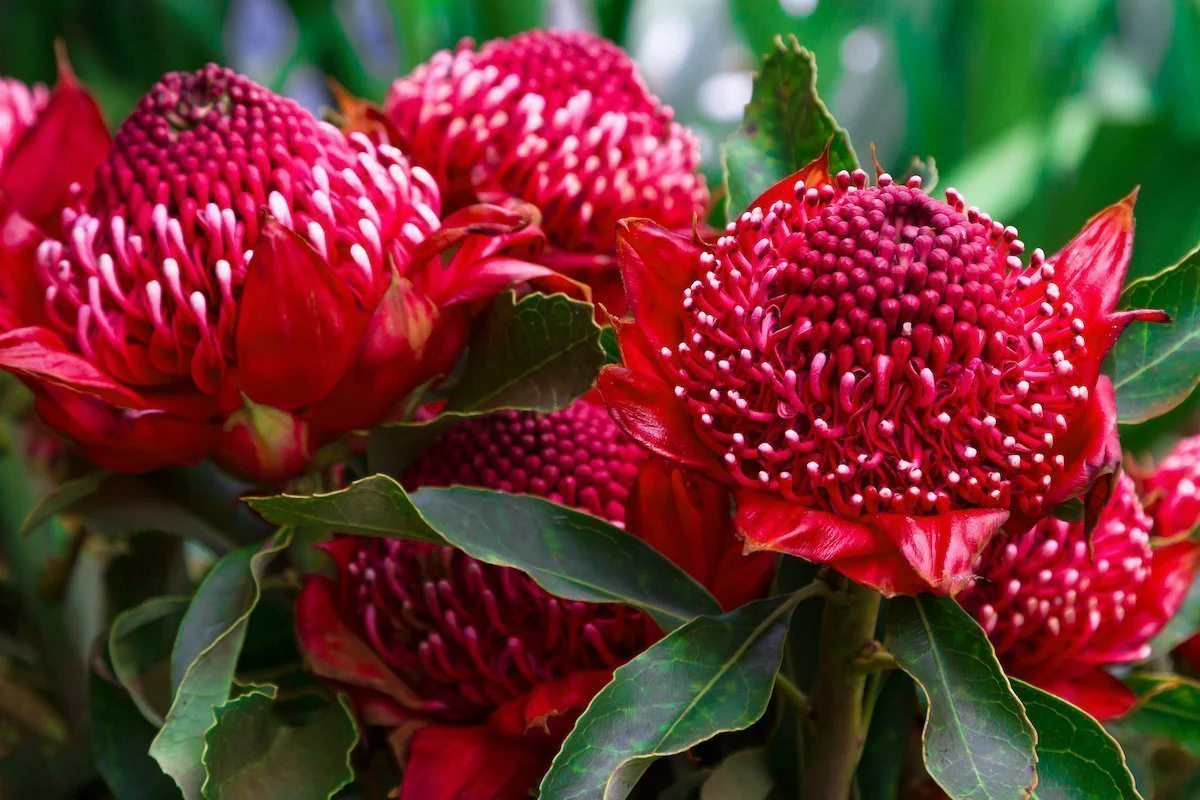
Waratah (Telopea speciosissima)
The Details:
- Appearance: Large, dome-shaped red flower head (10-15cm diameter)
- Colours: Predominantly red, white and pink cultivars available
- Season: September to December (spring)
- Vase Life: 7-14 days
- Origin: NSW coastal areas
Why Florists Love Waratahs: The waratah is Australia’s most iconic native flower—instantly recognizable and deeply symbolic. Its bold red head creates dramatic focal points in arrangements, while its substantial presence commands attention.
Working with Waratahs:
- Conditioning: Cut woody stems at 45-degree angle, hammer crush bottom 2cm
- Water: Clean water without flower food (natives often sensitive to additives)
- Foliage: Remove lower leaves thoroughly
- Design Use: Statement focal flower, never filler
- Combinations: Eucalyptus, other natives, or standalone specimens
Pricing: $8-$15 per stem (premium during peak demand)
Australian Note: NSW floral emblem; highly regulated harvesting from wild populations. Purchase only from licensed growers.
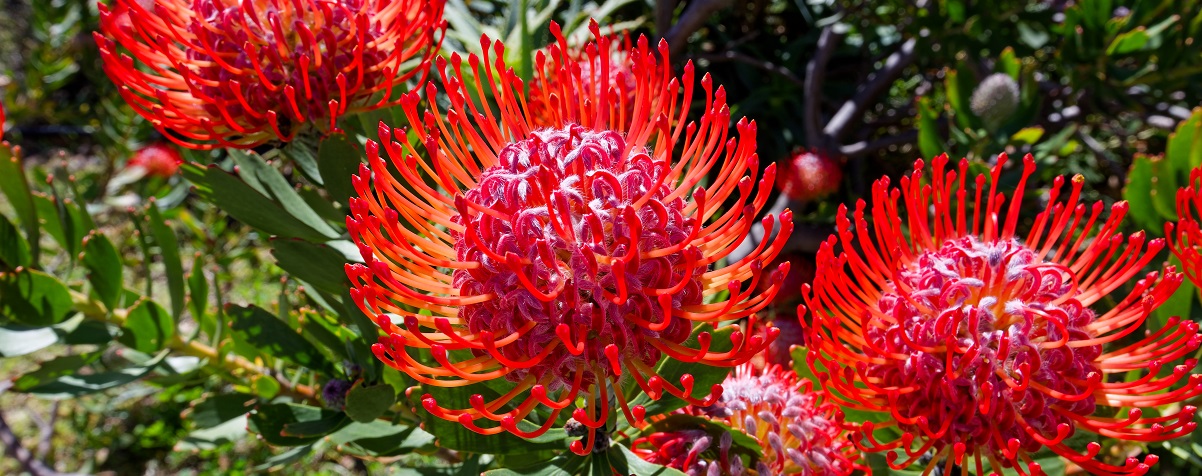
Protea (Protea species)
The Details:
- Appearance: Large, artichoke-like flower heads with unique forms
- Colours: Pink, white, cream, burgundy, green
- Season: Year-round (different varieties seasonal)
- Vase Life: 10-21 days (exceptional longevity)
- Origin: South African origin, widely cultivated in Australia
Popular Varieties:
- King Protea: Largest (20-30cm heads), most dramatic
- Queen Protea: Smaller, more delicate appearance
- Pink Ice (Pink Mink): Soft pink, popular for weddings
- Pincushion Protea: Small, round, prolific blooms
Why Florists Love Proteas: Unmatched vase life and sculptural beauty make proteas ideal for events requiring flowers to last days (especially in hot weather). Their bold forms create modern, architectural arrangements.
Working with Proteas:
- Conditioning: Cut woody stems, strip lower foliage, condition 12-24 hours
- Water: Plain water preferred (most proteas sensitive to flower food)
- Foliage: Beautiful grey-green foliage can stay (often part of design)
- Design Use: Focal flowers, dramatic statements, modern arrangements
- Drying: Excellent for dried flowers (hang upside down)
Pricing: $10-$25 per stem depending on size and variety
Australian Growing Regions: Victoria, WA, Tasmania (cool climates preferred)
According to Australian Native Flower Export Council, proteas rank among Australia’s top five exported cut flowers due to exceptional keeping quality and unique appearance.
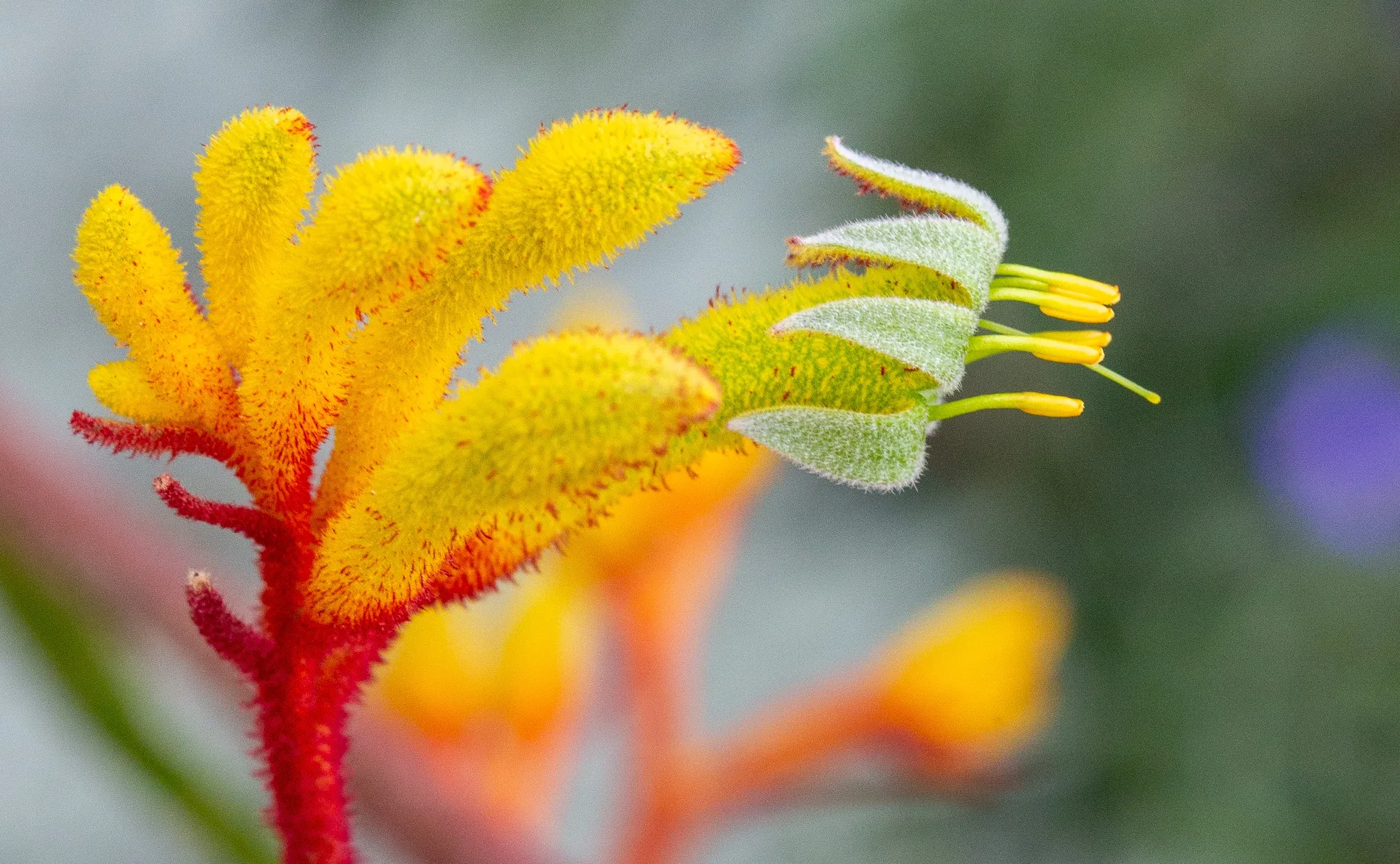
Kangaroo Paw (Anigozanthos species)
The Details:
- Appearance: Tubular flowers on tall stems resembling kangaroo feet
- Colours: Red, yellow, orange, pink, green, burgundy
- Season: Year-round (peak spring/summer)
- Vase Life: 7-14 days
- Origin: Western Australia
Popular Varieties:
- Red & Green: Classic combination, most recognizable
- Yellow: Bright, cheerful, popular for spring arrangements
- Bush Gems: Compact varieties in various colours
- Black Kangaroo Paw: Dramatic dark burgundy-black
Why Florists Love Kangaroo Paws: Distinctive shape, vibrant colours, and excellent vase life make kangaroo paws versatile for contemporary and traditional designs. Their unique form adds Australian character without overwhelming arrangements.
Working with Kangaroo Paws:
- Conditioning: Cut stems, remove all foliage, condition 4-6 hours
- Water: Clean water, very sensitive to bacteria
- Foliage: Remove completely (foliage deteriorates quickly)
- Design Use: Linear element, adds height, colour accents
- Combinations: Excellent with roses, natives, mixed bouquets
Pricing: $3-$6 per stem
Challenges: Short post-harvest life if poorly handled—buy only from reputable suppliers
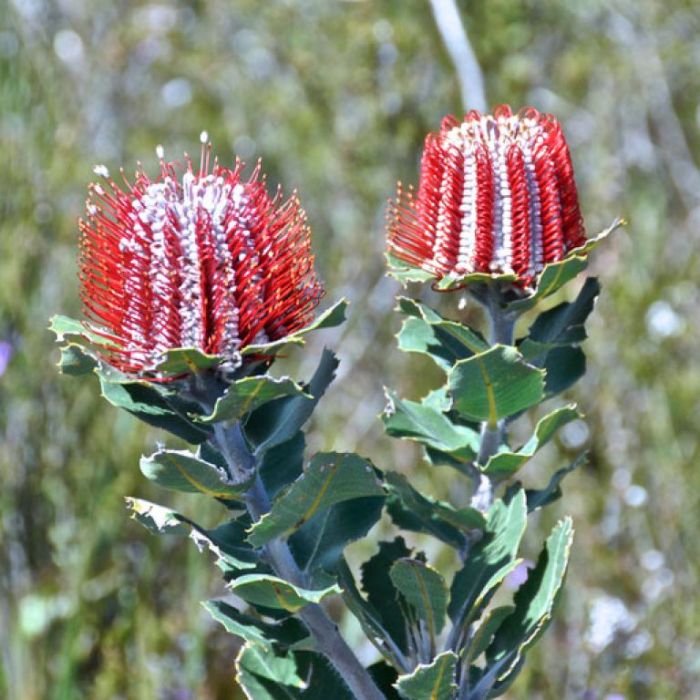
Banksia (Banksia species)
The Details:
- Appearance: Cylindrical flower spikes, bottle-brush appearance
- Colours: Yellow, orange, bronze, red
- Season: Year-round (varies by species)
- Vase Life: 7-14 days fresh, excellent dried
- Origin: Australia-wide (many species)
Popular Varieties:
- Banksia coccinea (Scarlet): Red, dramatic
- Banksia ericifolia (Heath): Orange-red, prolific
- Banksia spinulosa: Golden yellow, smaller spikes
- Banksia hookeriana (Hooker’s): Orange, large
Why Florists Love Banksias: Architectural form and textural interest make banksias excellent supporting flowers. They work fresh or dried, offering flexibility. Woody stems and sturdy flowers transport well.
Working with Banksias:
- Conditioning: Hammer crush woody stems, strip lower foliage
- Water: Plain water, change frequently
- Foliage: Attractive foliage can remain or remove for stem focus
- Design Use: Textural element, autumn arrangements, dried work
- Drying: Air-dry easily—retain colour and form
Pricing: $5-$12 per stem depending on species and size
Sustainability Note: Never harvest wild banksias—they’re ecologically important. Purchase from licensed commercial growers only.
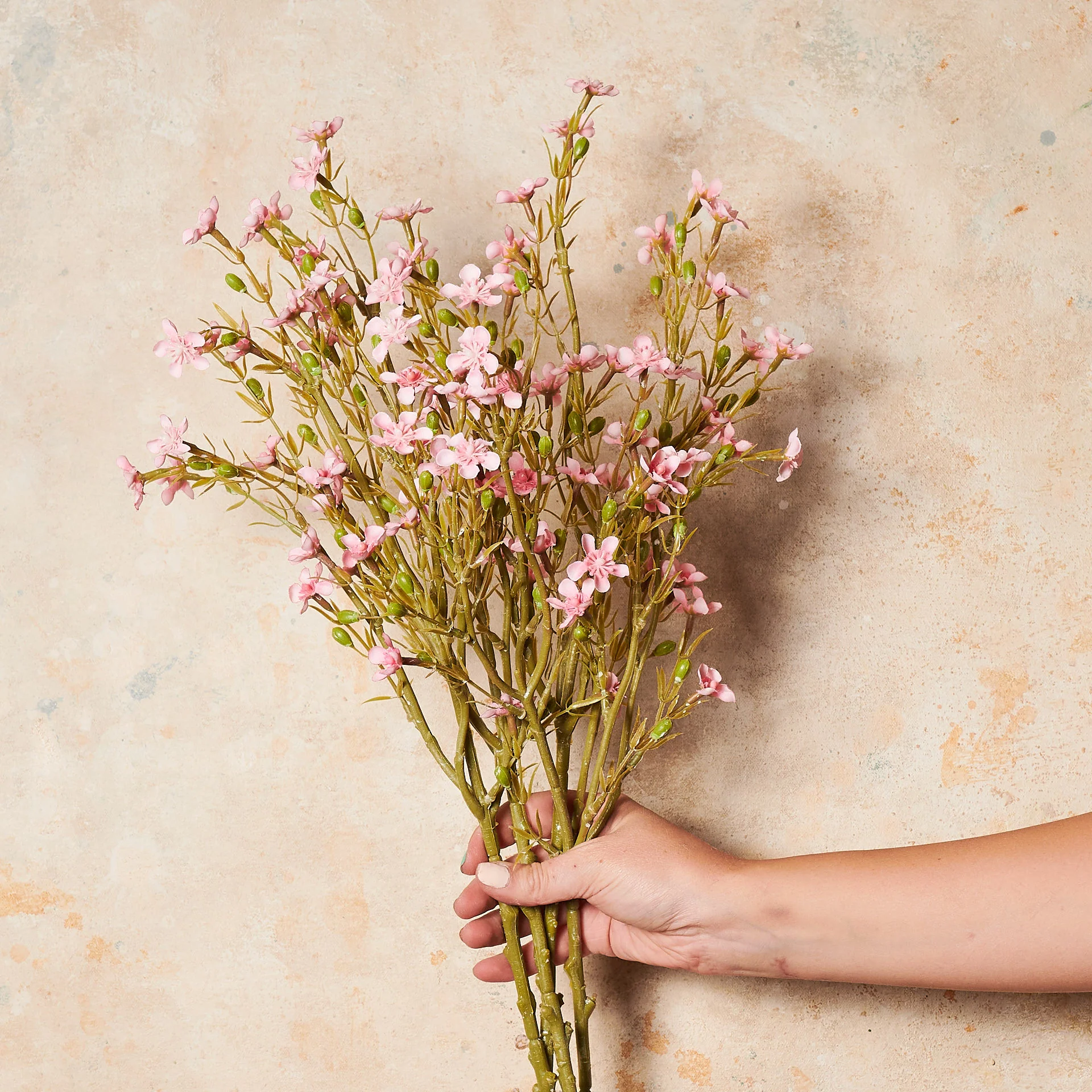
Wax Flower (Chamelaucium uncinatum)
The Details:
- Appearance: Small, delicate five-petalled flowers on woody stems
- Colours: White, pink, purple, burgundy
- Season: Year-round (commercial cultivation)
- Vase Life: 14-21 days (exceptional for delicate appearance)
- Origin: Western Australia
Why Florists Love Wax Flowers: Despite delicate appearance, wax flowers are incredibly hardy—lasting 2-3 weeks with minimal care. They provide excellent filler, soft texture, and romantic feel without fragility of baby’s breath or similar traditional fillers.
Working with Wax Flowers:
- Conditioning: Cut woody stems, minimal processing needed
- Water: Plain water or weak flower food solution
- Foliage: Attractive fine foliage remains (part of appeal)
- Design Use: Filler, textural element, bridal work, funeral work
- Combinations: Excellent with everything—roses, natives, mixed bouquets
Pricing: $4-$8 per bunch
Commercial Reality: Wax flower is among Australia’s most commercially successful native flowers due to longevity, versatility, and year-round availability.
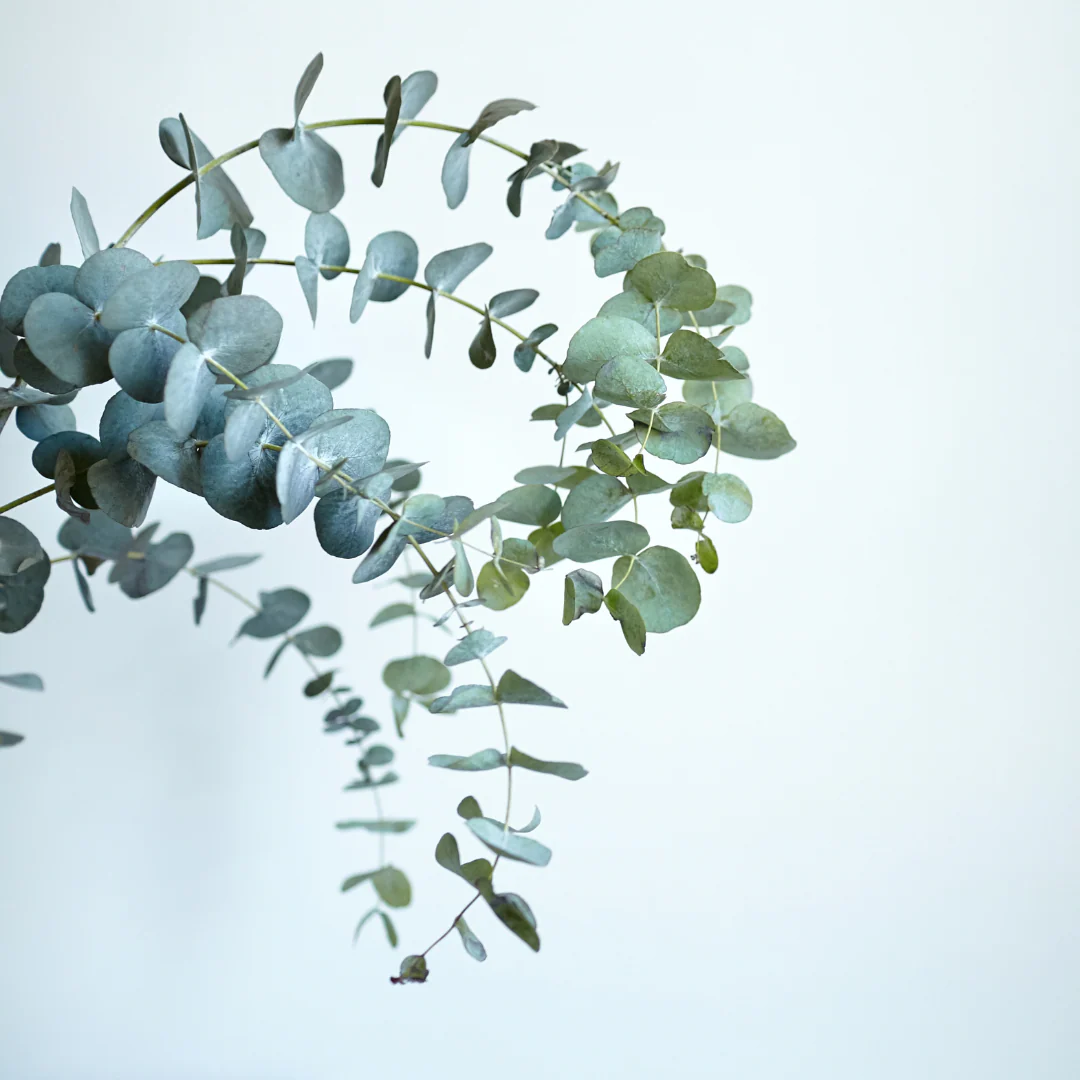
Eucalyptus Foliage (Eucalyptus species)
The Details:
- Appearance: Varies dramatically by species—round leaves, elongated leaves, silver-blue tones
- Colours: Grey-green, blue-grey, silver, burgundy (some varieties)
- Season: Year-round
- Vase Life: 10-21 days (some species excellent dried)
- Origin: Australia-wide
Popular Varieties:
- Silver Dollar (E. cinerea): Round blue-grey leaves
- Seeded Eucalyptus: With seed pods, rustic appeal
- Parvifolia (Parvi): Small round leaves
- Baby Blue: Delicate small leaves, grey-blue
- Willow Eucalyptus: Elongated leaves, elegant drape
Why Florists Love Eucalyptus: No native flower work is complete without eucalyptus foliage. Provides structure, fragrance, softness, and quintessentially Australian feel. Extremely versatile across all floristry styles.
Working with Eucalyptus:
- Conditioning: Hammer crush woody stems, strip submerged foliage
- Water: Plain water fine, changes every 3-4 days
- Design Use: Filler, structure, textural element, aromatic component
- Drying: Many varieties air-dry beautifully (retain colour and scent)
- Combinations: Universal—works with any flowers, natives or traditional
Pricing: $3-$8 per bunch depending on variety and size
Design Tip: Mix eucalyptus varieties for textural variety—combine silver dollar with seeded and willow for depth.
Secondary Native Flowers for Floristry
Grevillea (Grevillea species)
- Appearance: Spider-like flowers, unique forms
- Colours: Red, pink, yellow, orange, cream
- Vase Life: 5-10 days
- Use: Exotic textural element, modern arrangements
Flannel Flower (Actinotus helianthi)
- Appearance: Soft, fuzzy white flowers resembling flannel texture
- Colours: White, cream
- Vase Life: 5-8 days (delicate)
- Use: Wedding work, soft romantic arrangements
Geraldton Wax (Chamelaucium uncinatum)
- Appearance: Similar to wax flower, slightly larger blooms
- Colours: White, pink, purple
- Vase Life: 10-14 days
- Use: Filler, bridal, versatile
Sturt’s Desert Pea (Swainsona formosa)
- Appearance: Distinctive red with black centre, pea-family flower
- Colours: Red with black blotch
- Vase Life: 5-7 days (delicate)
- Use: Specialty work, Australian-themed events
- Note: South Australian floral emblem
Bottlebrush (Callistemon species)
- Appearance: Cylindrical brush-like flower spikes
- Colours: Red, pink, yellow, cream
- Vase Life: 7-10 days
- Use: Bold focal element, sculptural arrangements
Seasonal Availability Guide
Spring (September-November)
Peak Season:
- Waratahs (September-December)
- Flannel flowers
- Boronias
- Sturt’s desert pea
- Crowea
Availability: Best selection and pricing for spring-blooming natives
Summer (December-February)
Available:
- Kangaroo paws (peak season)
- Grevilleas
- Banksias (many varieties)
- Proteas
- Eucalyptus (year-round)
Note: Heat-tolerant natives thrive, traditional flowers struggle
Autumn (March-May)
Available:
- Banksias (excellent autumn colour)
- Proteas (some varieties peak)
- Waratahs (late varieties)
- Eucalyptus seed pods
- Leucadendrons
Design: Rich, warm tones suit autumn aesthetic
Winter (June-August)
Available:
- Wax flowers (year-round commercial)
- Banksias
- Proteas (many varieties)
- Eucalyptus foliage
- Waratahs (early varieties spring preparation)
Advantage: Natives thrive in cool conditions when traditional flowers scarce/expensive
According to Australian Government Rural Industries R&D, year-round native availability provides florists consistent supply unlike seasonal traditional flowers reliant on imports.
Designing with Australian Natives
Style Approaches
Modern Minimalist:
- King protea as solo focal flower
- Clean lines, minimal foliage
- Architectural presentation
Rustic Australian:
- Mix of natives with textural foliage
- Loose, organic arrangements
- Eucalyptus, banksias, kangaroo paw
Contemporary Luxe:
- Premium natives (waratah, large proteas)
- Mixed with roses or peonies
- Sophisticated colour palettes
Bush Romance:
- Delicate natives (wax flower, flannel flower)
- Mixed with wildflowers
- Soft, romantic aesthetic
Colour Combinations
Classic Australian:
- Red waratahs + green eucalyptus
- Iconic, unmistakable
Soft Pastel Native:
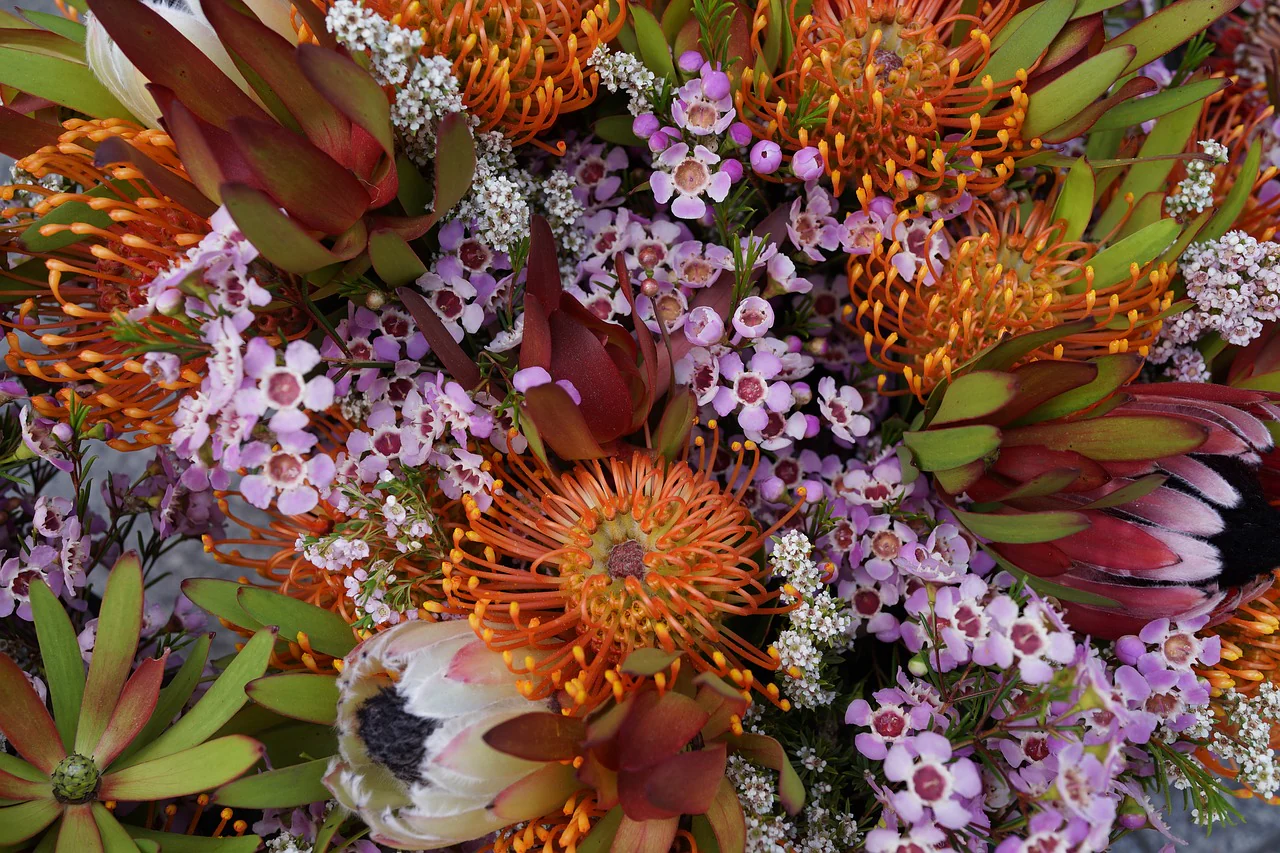
- Pink proteas + white wax flower + grey eucalyptus
- Romantic, wedding-appropriate
Bold and Bright:
- Yellow kangaroo paw + orange banksias + red grevillea
- Vibrant, celebration floristry
Earthy Autumn:
- Bronze banksias + burgundy leucadendrons + seeded eucalyptus
- Rich, warm, seasonal
Combining Natives with Traditional Flowers
Successful Pairings:
- Roses + eucalyptus (classic, always works)
- Peonies + proteas (modern luxe)
- Hydrangeas + natives (contemporary mix)
- Tulips + kangaroo paws (unexpected, stunning)
Design Principle: Let natives provide texture and structure; let traditional flowers provide softness and romance.
Sourcing Australian Native Flowers
Where to Buy
Flower Markets:
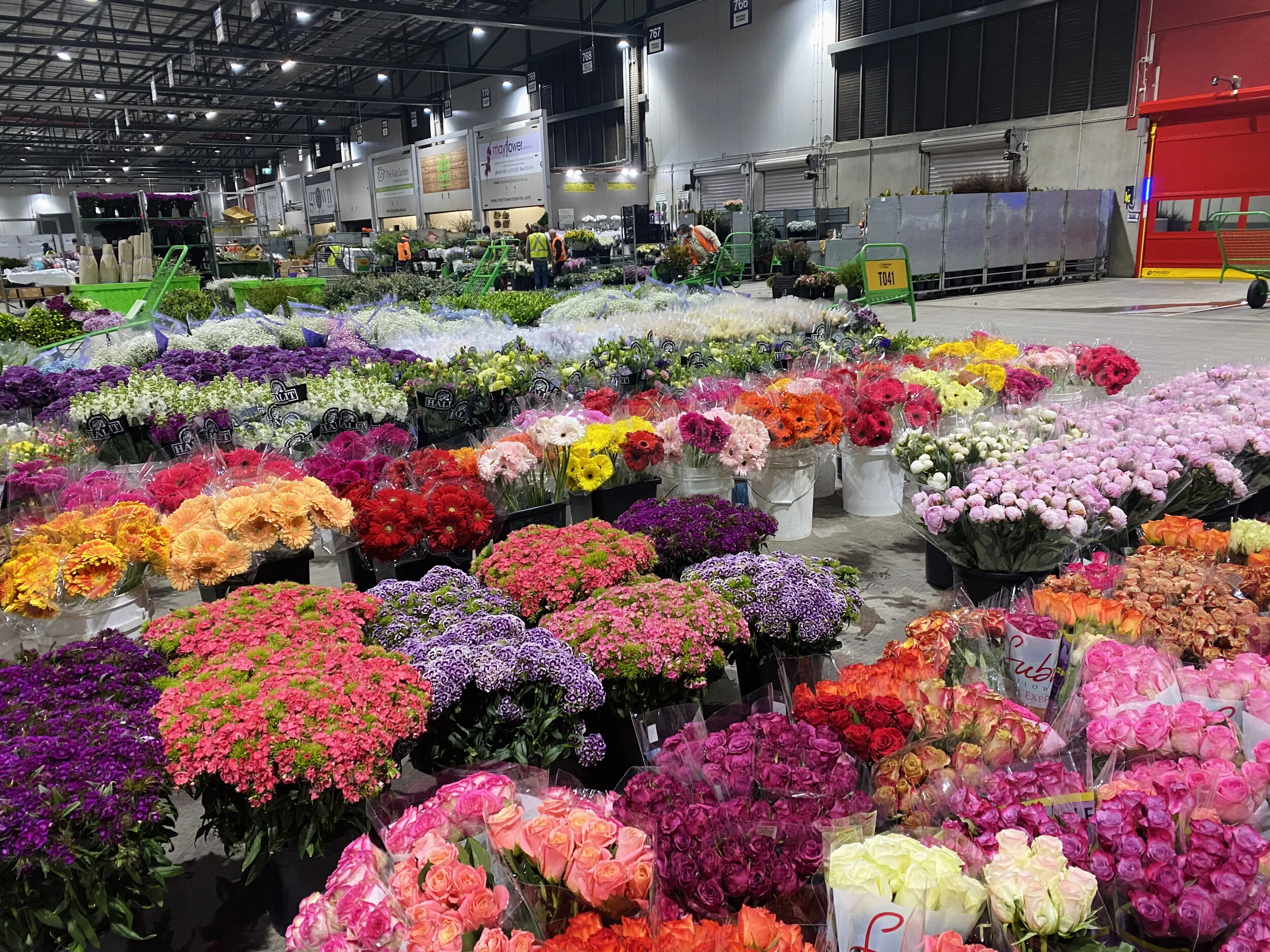
- Melbourne Flower Market (largest selection)
- Sydney Flower Market
- Brisbane Flower Market
- Direct from growers at weekend markets
Wholesale Growers:
- Direct relationships with native flower farms
- Better pricing for regular orders
- Seasonal availability updates
Online Wholesalers:
- Native flower specialists
- Delivery to regional areas
- Minimum orders typically apply
Ethical Sourcing
Critical Considerations:
- Never harvest from wild (protected species, ecological damage)
- Purchase only from licensed commercial growers
- Verify sustainable growing practices
- Support Australian growers (not imported “natives”)
Certifications to Look For:
- Australian Native Flower Export Council membership
- Nursery Industry Accreditation Scheme (NIAS)
- EcoHort environmental certification
Caring for Native Flowers
General Principles:
- Plain water preferred (most natives sensitive to commercial flower food)
- Woody stems need crushing or splitting
- Strip all foliage below water line
- Change water every 2-3 days
- Cool storage (natives heat-tolerant but last longer in cool)
Australian Climate: Natives are heat-adapted but still benefit from cool storage. In 30°C+ conditions, refrigerate or air-condition storage area.
Master Australian Native Floristry
Australian native flowers offer florists unique design possibilities, exceptional longevity, and sustainable local sourcing. Whether specialising in native floristry or incorporating natives into mixed arrangements, comprehensive training helps you work confidently with these distinctive blooms.
Our Certificate in Professional Floristry includes detailed training in Australian native flowers—their characteristics, conditioning requirements, and design applications. You’ll learn to create stunning native arrangements that showcase Australia’s remarkable floral diversity.
The Bottom Line
Australian native flowers aren’t a trend—they’re a fundamental shift toward sustainable, locally-sourced, distinctive floristry that celebrates Australia’s extraordinary botanical heritage. These remarkable blooms offer beauty, longevity, and character impossible to replicate with imported flowers.
The florists embracing Australian natives aren’t just following fashion—they’re leading the evolution toward environmental responsibility, unique design aesthetics, and premium positioning. Clients increasingly seek the authentic Australian character that only natives provide.
Now you understand why Australian natives deserve prominence in your floristry work. Start incorporating these exceptional flowers into your designs, and discover the beauty, versatility, and satisfaction of working with Australia’s remarkable floral bounty.