


Australia’s love affair with cats runs deep. Over 3.5 million households across the country share their homes with nearly five million feline companions, making cats our most popular pets according to Animal Medicines Australia. This massive cat-owning population creates exceptional opportunities for people who genuinely understand feline care, behaviour, and wellbeing.
A professional cat care course transforms your passion for cats from casual pet ownership into marketable expertise that opens doors to rewarding careers helping cats and their owners live better lives together.
The professional cat care industry encompasses far more than basic pet sitting or grooming. Modern cat care specialists understand feline nutrition, health indicators, behavioural psychology, and the business skills needed to succeed in competitive markets. Whether you dream of opening a cat boarding facility, becoming a feline behaviour consultant, starting a professional grooming business, or working in veterinary support roles, proper training provides the knowledge and credibility that distinguishes professionals from enthusiastic amateurs.
Understanding Professional Cat Care Education
Professional cat care courses provide comprehensive education covering feline biology, health, behaviour, and practical husbandry skills. Quality programmes balance theoretical knowledge with practical applications, teaching the “why” behind best practices whilst developing hands-on capabilities essential for professional work.
Feline anatomy and physiology form your educational foundation. Understanding how cats’ bodies work, from their unique skeletal flexibility to obligate carnivore digestive systems, helps you recognise health, predict needs, and communicate effectively with veterinary professionals. This biological knowledge elevates your practice above those relying solely on personal experience with their own pets.
Behaviour science represents cat care’s most complex and fascinating aspect. Cats communicate through subtle body language, vocalisations, and scent marking that many people misinterpret. Professional training teaches you to read feline signals accurately, understand the motivations behind various behaviours, and guide owners toward solutions that respect cats’ natural instincts rather than fighting against their evolutionary programming.
Health monitoring and basic first aid prepare you to recognise when cats need veterinary attention and provide appropriate care during emergencies. Understanding common feline diseases, parasite identification, and wellness indicators allows you to catch problems early whilst knowing the boundaries between professional cat care and veterinary medicine requiring qualified practitioners.
Nutrition knowledge specific to cats’ unique requirements ensures you provide or recommend appropriate diets. Obligate carnivores with specific protein and amino acid needs, cats suffer when fed inappropriately. Understanding life stage requirements, therapeutic diets, and how to evaluate commercial foods positions you as trusted advisor for cat owners navigating confusing pet food markets.
Business training integrated into quality cat care courses bridges the gap between knowledge and successful careers. Understanding pricing strategies, marketing, customer service, and business administration transforms cat expertise into viable income. Many passionate cat lovers fail professionally despite excellent animal skills because they lack business acumen to sustain enterprises.

Career Pathways in Professional Cat Care
The cat care industry offers remarkably diverse career options, each requiring different skill emphases but all benefiting from comprehensive feline knowledge. Understanding these pathways helps you focus your training toward specific goals whilst recognising opportunities you might not have considered.
Professional cat sitting and pet care provides flexible, low-barrier entry into feline careers. Many successful cat care businesses start with one person visiting clients’ homes to feed, play with, and monitor cats whilst owners are away. Starting costs remain minimal, demand is consistent, and income scales with client numbers. Experienced professional cat sitters in metropolitan areas earn $40,000 to $70,000 annually, with business owners who employ others earning considerably more.
Cat grooming services meet growing demand from owners seeking professional help maintaining their cats’ coats, especially for long-haired breeds requiring regular attention. Professional groomers charge $50 to $150 per session depending on location and services provided. Those combining grooming with other cat care services create multiple income streams whilst becoming comprehensive feline care providers.
Cat boarding facilities offer alternatives to kennels for owners wanting their pets in dedicated feline environments. Some operate from modified home spaces whilst others build purpose-designed catteries. Successful facilities balance homely comfort with professional standards, charging $25 to $60 daily depending on location and amenities. Business requires significant initial investment but can generate strong returns in areas with large cat-owning populations.
Feline behaviour consulting addresses the growing recognition that many cat behavioural issues stem from unmet needs rather than training problems. Professional behaviour consultants charge $100 to $250 for consultations, assessing situations, identifying triggers, and creating management plans. This specialisation requires deep behavioural knowledge but offers excellent income potential and significant professional satisfaction.
Veterinary support roles including veterinary nursing and assisting require additional qualifications beyond cat care courses but benefit enormously from feline specialisation. Veterinary clinics value staff with genuine cat understanding, particularly for feline-only practices. Entry-level positions start around $55,000, progressing to $70,000+ or more with experience and specialisation.
Rescue and shelter work with cat-focused organisations offers meaningful employment for those prioritising animal welfare over income maximisation. Positions typically pay $55,000 to $75,000 but provide deep satisfaction supporting vulnerable cats whilst contributing to broader animal welfare initiatives. Your professional training proves invaluable in these roles, improving outcomes for countless cats.
The Growing Demand for Cat Care Specialists
Multiple market trends drive increasing demand for professional cat care services across Australia. Understanding these forces helps you recognise this isn’t just pursuing a passion but entering a growth industry with long-term viability.
Cat ownership continues rising, particularly among younger demographics and apartment dwellers who find cats’ smaller size and independence more practical than dog ownership. This expanding cat-owning population creates proportionally larger markets for professional services from grooming to sitting to behaviour consultation.
Humanisation of pets means owners increasingly view cats as family members deserving professional care rather than simple animals requiring basic feeding. This cultural shift drives willingness to invest in premium services, training, health care, and quality products. Owners who pay for regular vet visits, premium food, and enrichment toys readily hire professional cat care services.
Working patterns including longer hours, extended travel, and hybrid arrangements create challenges for cat owners wanting to ensure proper care during absences. Professional cat sitters provide solutions that maintain cats’ routines and comfort whilst owners work, travel, or manage other responsibilities. This need for reliable professional care creates steady demand.
Recognition of feline behavioural complexity increases as owners move beyond accepting problem behaviours as inevitable “cat traits.” Understanding that scratching furniture, litter box avoidance, and aggression often stem from environmental issues or unmet needs drives demand for professional behavioural consultations that resolve problems improving both cat and owner wellbeing.
Specialist cat facilities from feline-only boarding to grooming to veterinary clinics proliferate in response to recognition that cats’ needs differ substantially from dogs’. Facilities designed specifically for feline comfort reduce stress, improve experiences, and attract owners willing to pay premiums for appropriate environments. These specialist facilities need staff with genuine cat expertise beyond general animal care knowledge.
Developing Your Cat Care Expertise
Becoming a professional cat care specialist involves more than loving cats or having kept them as pets. Professional competency requires systematic knowledge spanning multiple disciplines alongside practical skills developed through education and experience.
Feline health recognition forms a critical professional competency. Learning to assess body condition, recognise signs of illness or pain, monitor elimination patterns, and identify potential health concerns allows you to provide better care whilst knowing when to recommend veterinary attention. This knowledge protects cats whilst demonstrating professional responsibility that builds client trust.
Handling and restraint techniques specific to cats ensure safety for both you and the cats you’re caring for. Cats respond differently than dogs to physical handling, with techniques that work well for canines potentially stressing or provoking cats. Professional training teaches you appropriate handling methods that minimise stress whilst maintaining control for necessary procedures like grooming or medication administration.
Enrichment design for feline environments creates stimulating spaces that meet cats’ natural needs for climbing, hiding, hunting behaviours, and territorial control. Understanding how to structure environments whether in clients’ homes, boarding facilities, or your own premises prevents boredom-related behavioural issues whilst promoting positive welfare.
Stress recognition and management proves essential across all cat care contexts. Cats conceal stress and illness as survival instincts, making subtle changes easy to miss. Learning stress indicators from ear position to elimination changes to appetite variations allows appropriate interventions that prevent minor stresses from becoming serious welfare issues.
Specialised knowledge areas from senior cat care to behavioural problem-solving to breed-specific requirements allow you to develop niches that distinguish your services. Many successful cat care professionals specialise in particular areas whether Persian grooming, feral cat management, or senior feline care, becoming go-to experts for specific challenges.
Building Your Cat Care Business
Professional cat care skills mean little without ability to attract clients and operate sustainably. Business development requires distinct skills alongside animal expertise, with successful practitioners excelling in both domains.
Service definition clarifies what you offer clients, differentiating your business from competitors. Rather than generic “cat care,” specify whether you provide in-home sitting, boarding, grooming, behaviour consultations, or combinations. Clear service descriptions help potential clients understand value whilst allowing you to price appropriately for expertise and time required.
Pricing strategies balance competitive positioning with proper valuation of your professional expertise. New businesses often underprice services, attempting to attract clients through cheap rates. This approach devalues your expertise whilst attracting price-focused clients rather than those who appreciate quality. Research local markets, understand your costs, and price appropriately for professional service delivery.
Marketing approaches for cat care businesses emphasise personal recommendations, online presence, and community involvement. Many clients find cat sitters and services through friend recommendations, making exceptional service your most powerful marketing tool. Professional websites, social media presence showcasing your expertise, and participation in local pet events build visibility and credibility.
Client communication systems from initial enquiries through ongoing relationships demonstrate professionalism that justifies premium pricing. Prompt responses, clear explanations, regular updates during care provision, and professional documentation distinguish you from casual operators competing primarily on price.
Insurance and liability protection shields you from potential financial disasters whilst demonstrating professionalism to clients. Professional indemnity insurance, public liability coverage, and appropriate business structure protect personal assets whilst showing clients you operate seriously and professionally.
Professional development through ongoing education, industry association membership, and skill updating ensures your knowledge remains current. Feline care recommendations evolve as new research emerges. Maintaining cutting-edge knowledge through continuous learning demonstrates commitment to excellence whilst providing genuinely best-practice services.
Understanding Cat Behaviour Professionally
Behaviour represents cat care’s most complex aspect, distinguishing those with deep understanding from those with merely practical experience. Professional behaviour knowledge transforms your effectiveness across all cat care contexts.
Communication signals from body language to vocalisations convey cats’ emotional states and intentions. Learning to read ear position, tail movement, pupil dilation, and posture variations allows you to interpret what cats are expressing and respond appropriately. This skill prevents misunderstandings that lead to stress, injury, or deteriorating relationships.
Natural feline behaviours from hunting sequences to territory marking to social structures inform how you design environments and manage multiple cats. Understanding that scratching maintains claw condition whilst marking territory helps you redirect this behaviour appropriately rather than simply trying to prevent it. Recognising cats’ solitary nature influences how you manage multi-cat households or boarding situations.
Problem behaviour analysis identifies underlying causes rather than simply treating symptoms. Inappropriate elimination, aggression, destructive behaviour, and excessive vocalisation often stem from environmental stressors, health issues, or unmet needs. Professional training teaches systematic problem analysis that addresses causes rather than merely managing symptoms.
Behaviour modification techniques from environmental changes to positive reinforcement training provide tools for addressing behavioural challenges. Understanding how to implement changes gradually, maintain consistency, and work within cats’ natural learning capabilities improves success rates dramatically compared to harsh corrections that damage relationships whilst rarely solving problems.
Inter-cat dynamics and social management prove essential when working with multiple cats whether in households, boarding facilities, or shelters. Understanding feline social structures, recognising conflict signs, and managing introductions appropriately prevents problems whilst supporting positive relationships between cats sharing spaces.

Practical Skills Development
Professional cat care demands hands-on capabilities alongside theoretical knowledge. Developing these practical skills requires deliberate practice, ideally under supervision until competency develops.
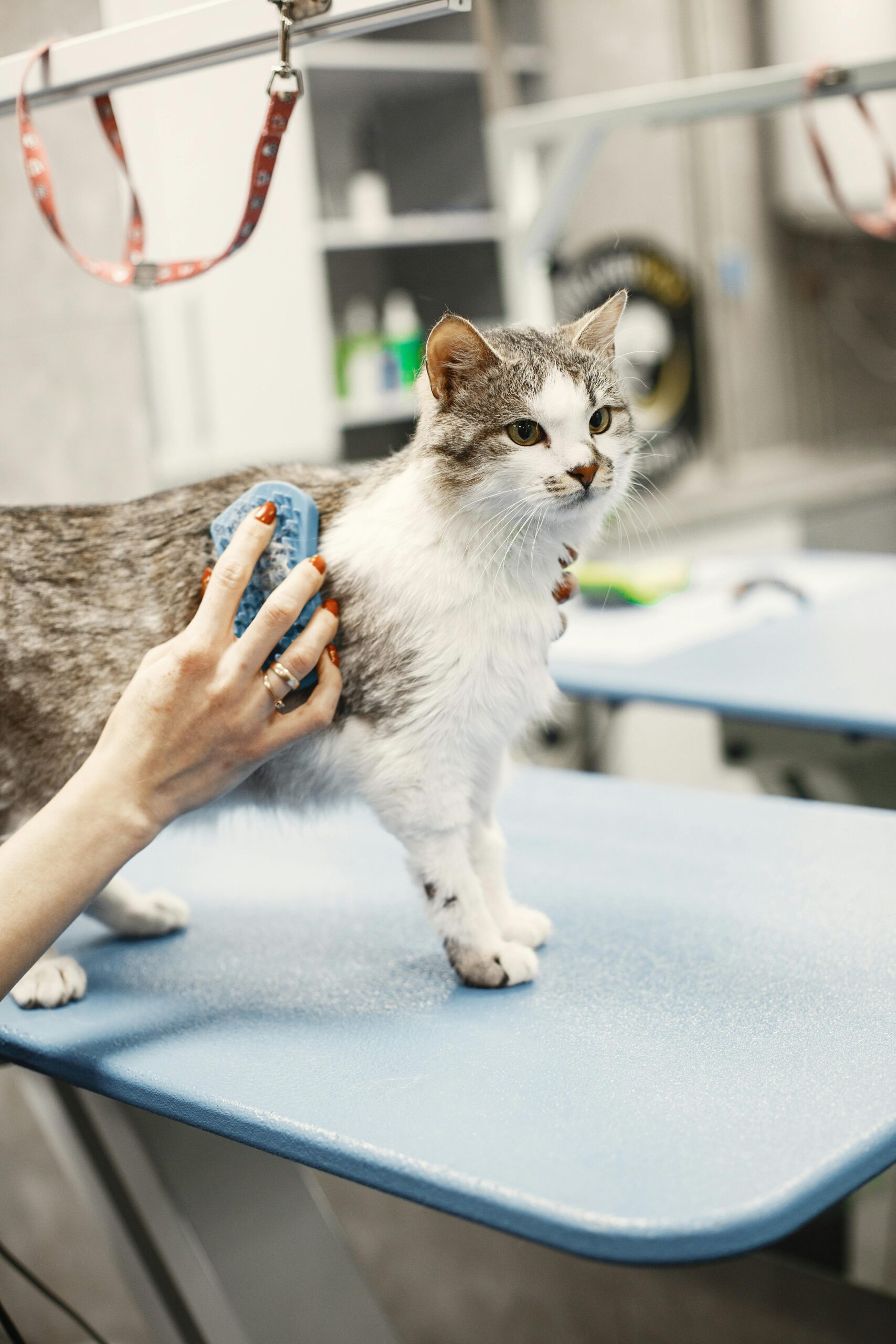
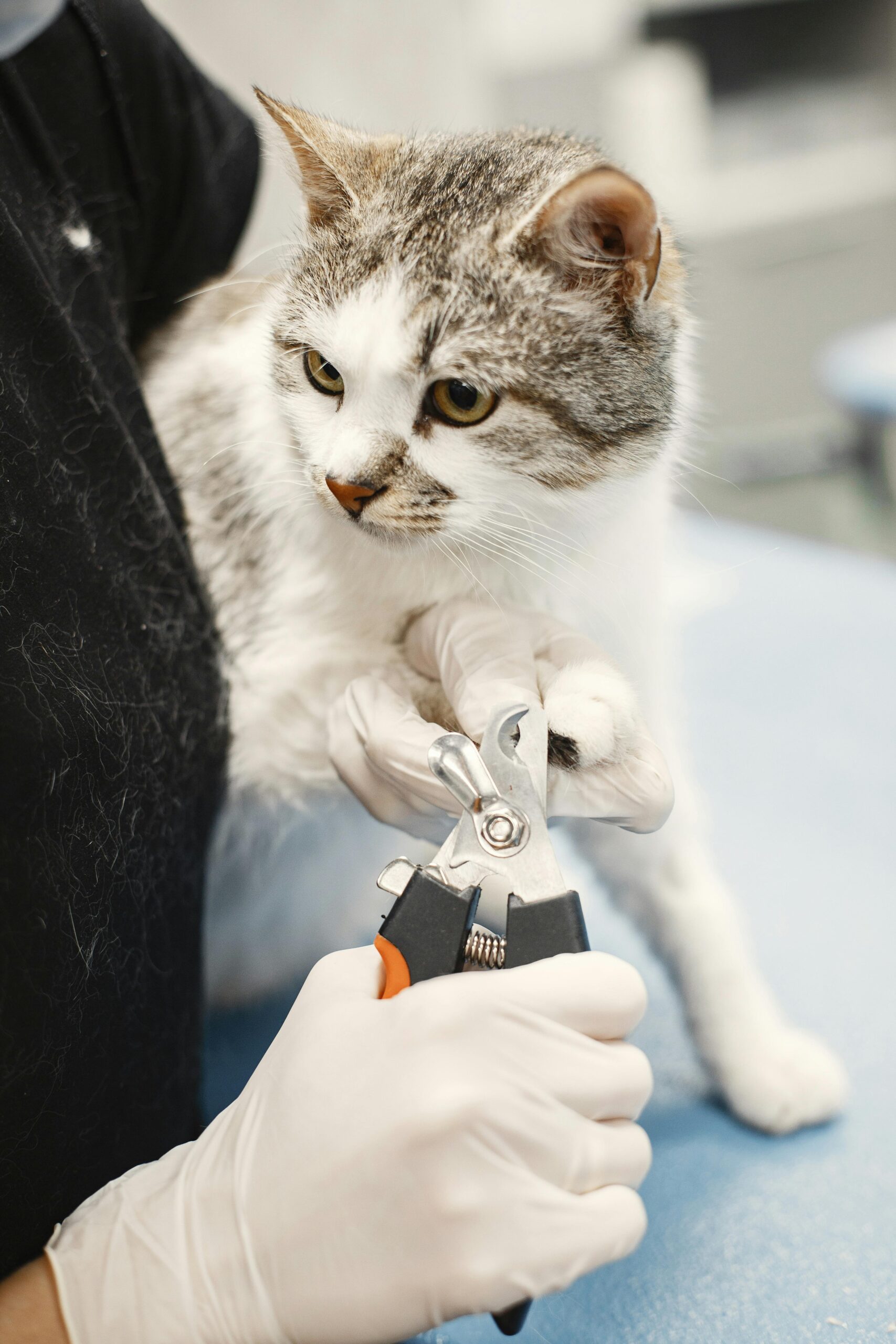
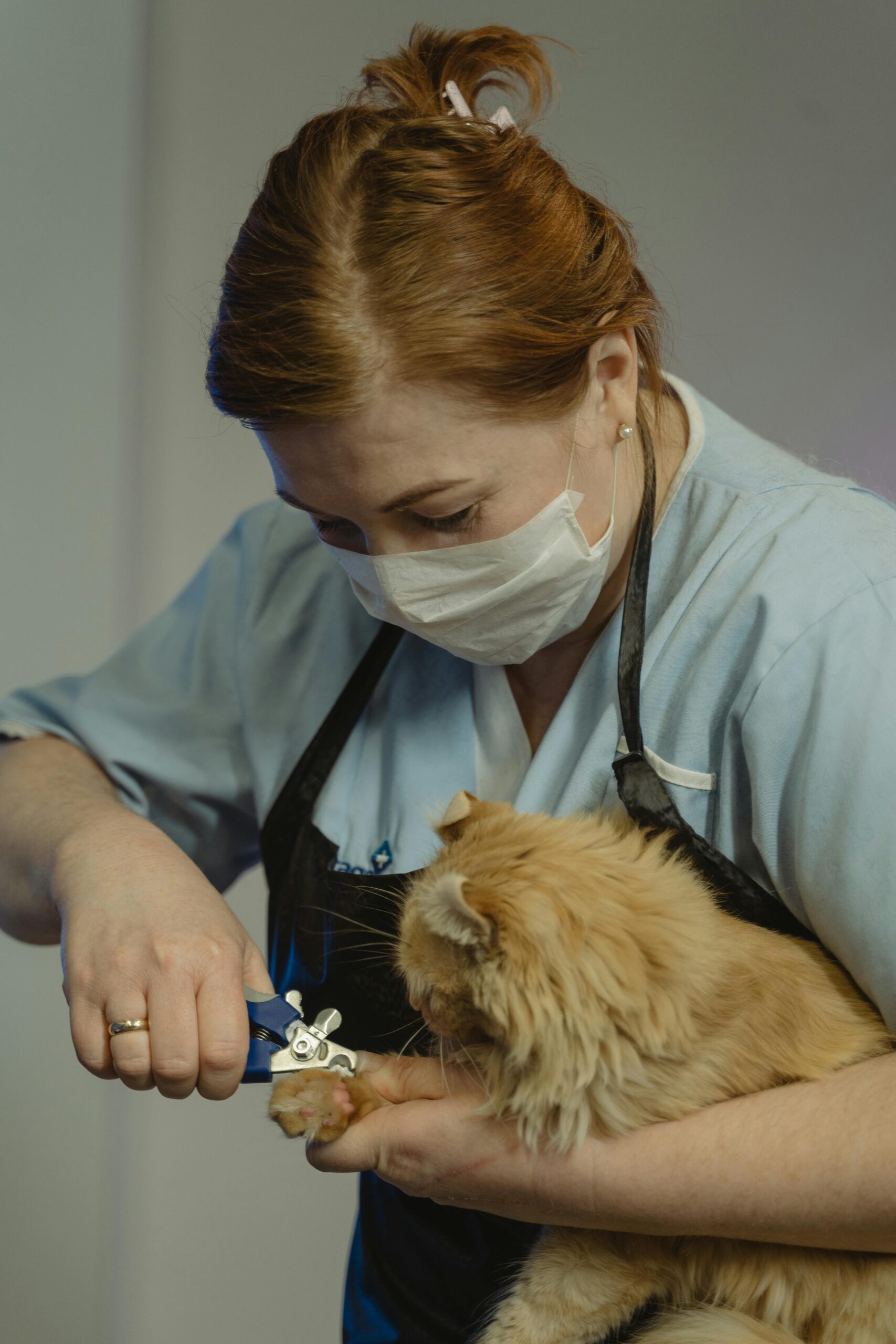
Grooming techniques from brushing to nail trimming to bathing require practice to perform efficiently and safely. Different coat types need different approaches, with techniques for Persians differing from those for domestic shorthairs. Understanding proper equipment use, stress reduction during grooming, and recognising when grooming causes excessive stress protects both you and the cats you’re working with.
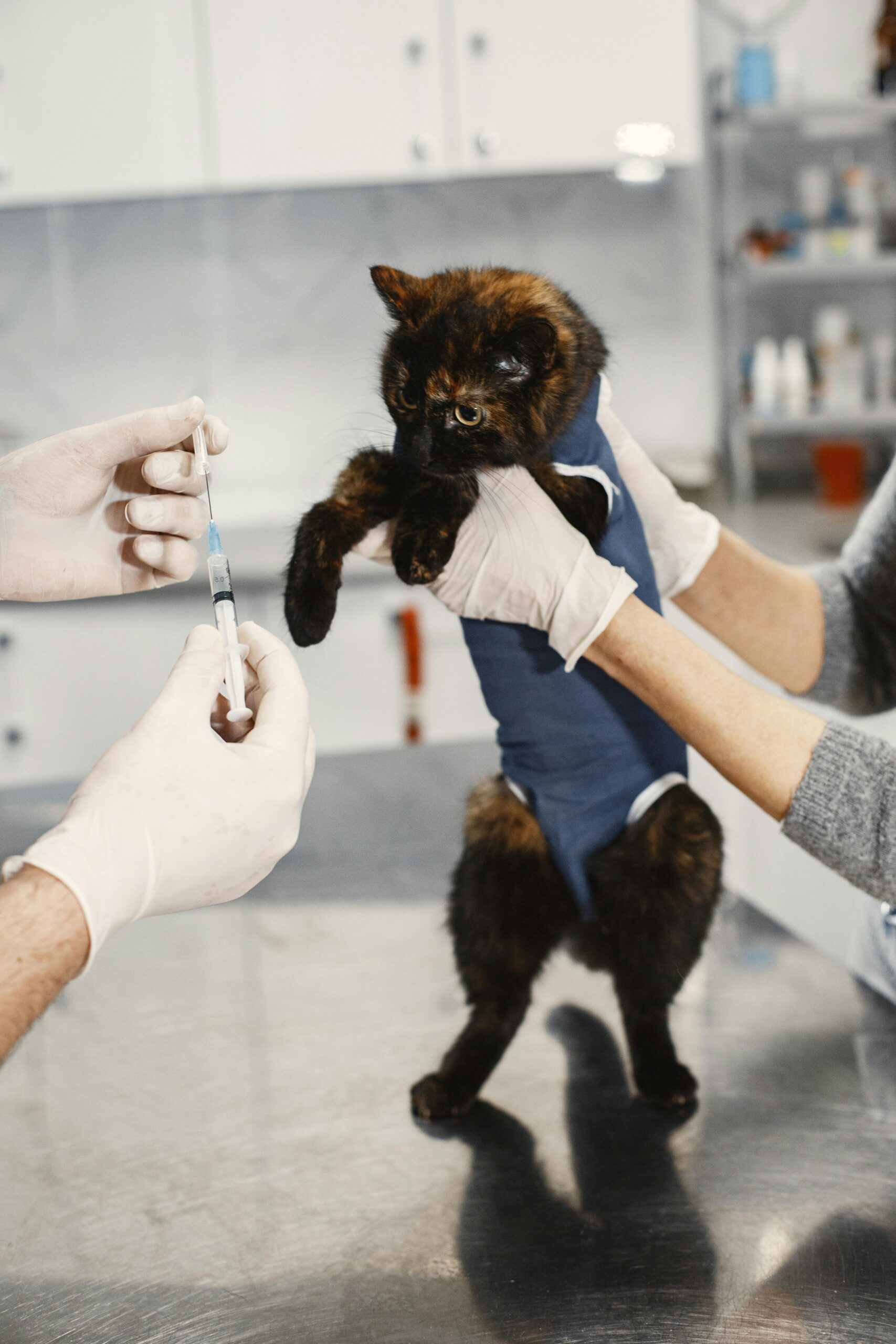
Medication administration including oral medications, topical treatments, and sometimes injections forms part of professional cat care. Learning proper restraint techniques, medication timing, and monitoring for adverse reactions allows you to provide this service safely and effectively when clients need it.
Environmental management across various contexts from homes to boarding facilities to veterinary clinics involves creating feline-appropriate spaces. Understanding vertical territory importance, resource distribution, hiding places, and how to structure environments for multiple cats creates spaces where cats thrive rather than merely survive.
Safe transportation techniques reduce stress during necessary travel to veterinary appointments, grooming, or boarding. Understanding proper carrier use, making vehicles comfortable, and managing stressed cats during transport protects wellbeing whilst preventing dangerous situations from frightened cats escaping during transit.
Cleaning and hygiene protocols appropriate to cat care contexts prevent disease transmission whilst maintaining pleasant environments. Understanding appropriate disinfectants, safe cleaning procedures, and biosecurity principles when working with multiple cats protects both feline and human health.
Starting Your Professional Cat Care Journey
Transforming cat passion into career requires commitment to formal education that builds systematic knowledge beyond personal pet ownership experience. Professional cat care courses provide frameworks, terminology, and comprehensive understanding that elevates you from enthusiast to qualified practitioner.
The career pathway from education to successful practice varies individually but typically involves starting part-time whilst building client bases, gradually expanding services as demand grows, and eventually transitioning to full-time work as income justifies. This graduated approach reduces risk whilst allowing you to test various services and discover where your interests and aptitudes align.
My Learning Online’s comprehensive cat care training provides foundational feline knowledge through our <a href=”https://www.mylearningonline.com.au/our-course/certificate-in-animal-studies/”>Certificate in Animal Studies</a> programme. Our courses cover animal welfare principles, husbandry fundamentals, and biological concepts that underpin specialist cat care. Expert tutors with extensive animal industry experience guide your learning, providing feedback, answering questions, and supporting your development toward professional competency.
Flexible online delivery allows you to build expertise without sacrificing current employment or disrupting family responsibilities. With 24/7 course access, comprehensive study materials, and payment plans from just $30 per week, professional cat care education becomes accessible regardless of your circumstances. All study materials are included, eliminating surprise costs as you progress toward your feline care career.
Ready to transform your cat passion into professional career? Explore our guides on starting pet sitting businesses, discover animal care career pathways, and learn about our full range of specialist animal courses. Your journey to professional cat care starts today, with education that respects your passion whilst building genuine expertise.