

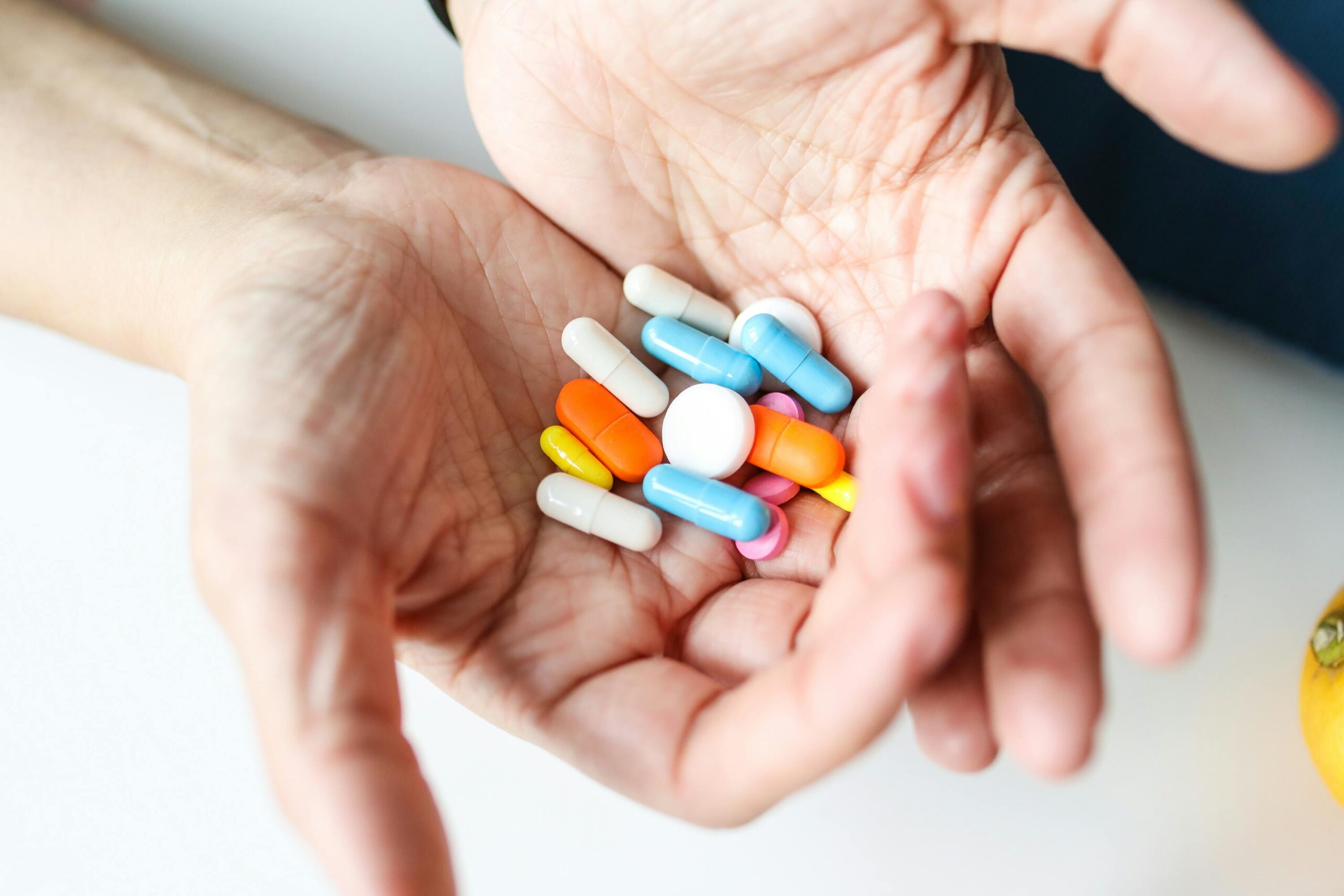
Walk into any Australian supplement store and you’ll face walls of products promising dramatic performance gains—bigger muscles, faster times, explosive power, rapid fat loss. The sports supplement industry generates over $2 billion annually in Australia, driven by sophisticated marketing, celebrity endorsements, and athletes desperately seeking competitive edge.
Yet research shows that most supplements provide little to no performance benefit, with many being overpriced placebos. Meanwhile, a small handful of supplements have strong scientific support for genuine performance enhancement. Understanding which supplements actually work—and which are marketing hype—saves money while optimizing your training results.
This evidence-based guide examines sports supplements available in Australia, covering what works, what doesn’t, safety concerns, TGA regulations, and cost-benefit analysis to help you make informed decisions.
The Supplement Industry Reality
The Statistics:
- 87% of Australian athletes use at least one supplement
- Average spending: $100-200 monthly on supplements
- Research support: Only 5-10% of supplements have strong evidence
- Contamination risk: 10-20% of supplements contain unlisted substances
According to Australian Institute of Sport supplement framework, the majority of sports supplements lack scientific evidence, with nutrition from whole foods providing superior benefit for most athletes.
Marketing vs. Science: Supplement advertising relies on:
- Testimonials (anecdotal, not evidence)
- Sponsored athletes (paid endorsements)
- Cherry-picked studies (ignoring negative findings)
- Proprietary blends (hiding ineffective ingredient doses)
- Before/after photos (often manipulated)
The Goal: Separate evidence from marketing, save money on ineffective products, invest only in proven supplements when truly beneficial.
Understanding Evidence Levels
Research Quality Hierarchy:
Strong Evidence (Multiple high-quality studies, consistent results):
- Systematic reviews and meta-analyses
- Randomized controlled trials
- Published in peer-reviewed journals
- Replicated by independent researchers
Moderate Evidence (Some research support, mixed results):
- Limited studies
- Conflicting findings
- Small sample sizes
- Limited population studied
Weak Evidence (Minimal or no research support):
- Animal studies only
- Single poorly-designed study
- Anecdotal reports
- Theoretical mechanisms without testing
No Evidence (Claims without any scientific support):
- Marketing promises only
- “Proprietary formula” with no research
- Miracle claims (“lose 10kg in 2 weeks”)
Supplements with Strong Evidence
1. Caffeine
The Science: Caffeine is among the most researched, evidence-supported ergogenic aids available.
Performance Benefits:
- Improved endurance performance (2-4% improvement)
- Enhanced power output
- Reduced perceived exertion
- Improved mental focus and reaction time
- Delayed fatigue
Effective Dose: 3-6mg per kilogram body weight
- 70kg athlete: 210-420mg caffeine
- Equivalent to: 2-3 espressos, 1-2 energy drinks, caffeine tablets
Timing: Consume 30-60 minutes before exercise
Best For: Endurance sports, team sports, strength training, early morning training
Side Effects:
- Jitters, anxiety (if overdosed)
- GI distress (individual variation)
- Sleep disruption (avoid late-day use)
- Tolerance develops (cycle use or accept lower doses)
Australian Products:
- Coffee (most cost-effective)
- No-Doz tablets (100mg per tablet)
- Pre-workout supplements (check caffeine content)
- Energy drinks (variable caffeine levels)
Cost-Benefit: Excellent—coffee costs $3-5 per performance-enhancing dose.
According to Sports Dietitians Australia supplement fact sheets, caffeine is one of only a handful of supplements with consistently strong research support across multiple sports.
2. Creatine Monohydrate
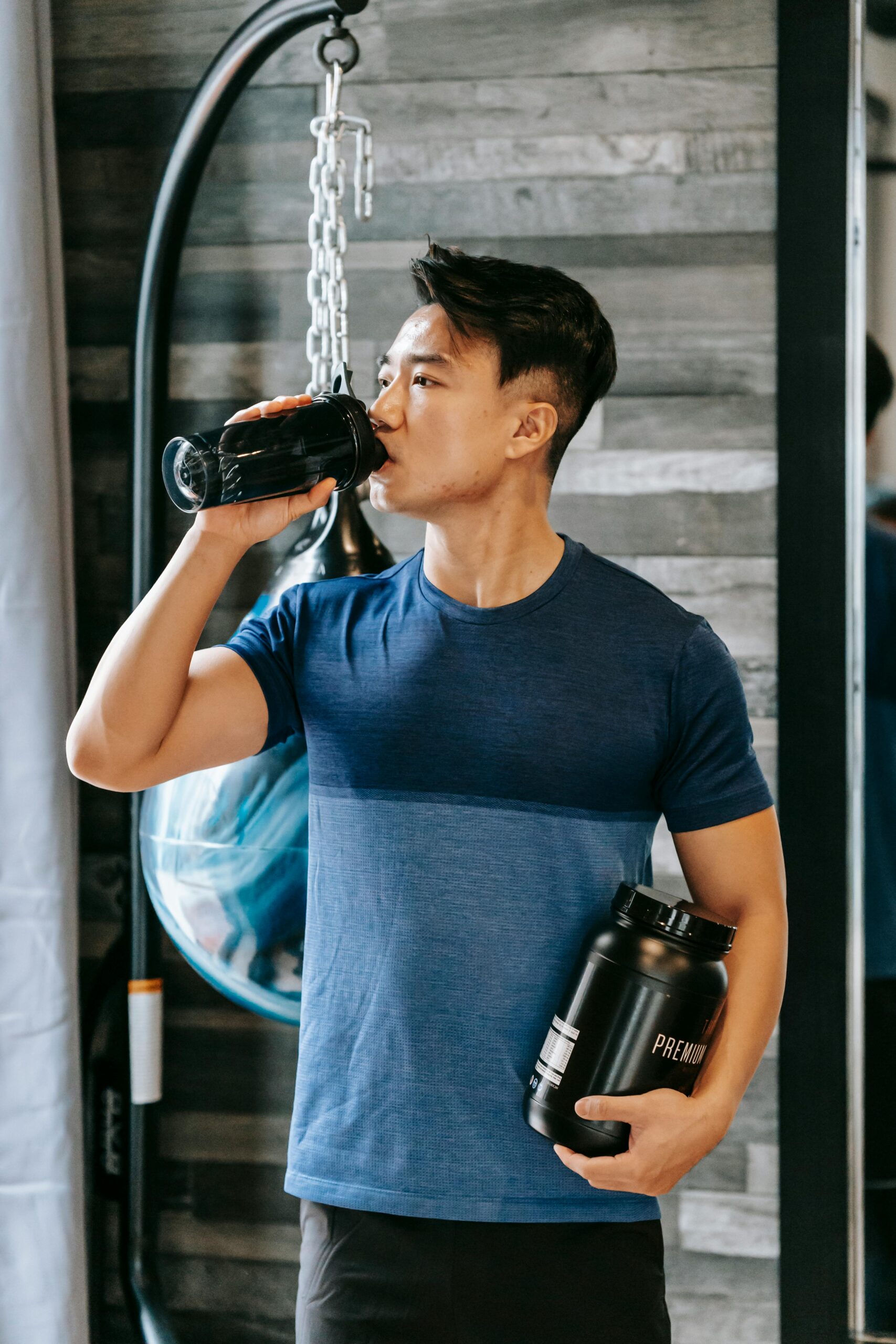
The Science: Creatine is the most researched sports supplement with extensive evidence supporting strength and power benefits.
Performance Benefits:
- Increased muscle creatine phosphate stores
- Improved high-intensity exercise performance (5-15% improvement)
- Enhanced strength and power output
- Increased muscle mass (combined with training)
- Faster recovery between high-intensity efforts
Effective Dose:
- Maintenance: 3-5g daily
- Loading phase: Not necessary (just takes longer to saturate)
- Timing: Anytime (consistency matters more than timing)
Best For: Strength training, power sports, team sports with repeated sprints, gaining muscle mass
Responders vs. Non-Responders: 20-30% of people don’t respond (already have high muscle creatine stores)
Side Effects:
- Water retention (1-2kg—common and harmless)
- Occasional GI distress (usually from cheap forms, monohydrate is best tolerated)
- No significant side effects in healthy populations
Australian Products:
- Creatine monohydrate powder (pure form—best option)
- Capsules (more expensive, same effect)
- Mixed into pre-workouts (check dose—often underdosed)
Cost-Benefit: Excellent—pure creatine monohydrate costs $20-40 for 3-month supply.
Myths to Ignore:
- “Causes kidney damage” (false in healthy people)
- “Requires loading phase” (false—just starts working faster)
- “Need to cycle off” (false—safe long-term)
- “New forms better than monohydrate” (false—monohydrate is gold standard)
3. Beta-Alanine
The Science: Beta-alanine increases muscle carnosine, buffering acid buildup during high-intensity exercise.
Performance Benefits:
- Delayed fatigue in 60-240 second efforts (1-3% improvement)
- Improved high-intensity exercise capacity
- Enhanced training volume
Effective Dose: 3-6g daily (split into 2-3 doses to reduce tingling)
Timing: Daily supplementation for 4-6 weeks to load muscle carnosine
Best For: Repeated high-intensity efforts (rowing, swimming, team sports), 1-4 minute exercise duration
Side Effects:
- Paraesthesia (tingling sensation—harmless but uncomfortable)
- Reduced by splitting doses throughout day
Cost-Benefit: Moderate—requires 4+ weeks to work, moderate cost ($30-50 monthly)
Reality Check: Benefits are modest (1-3% improvement)—only worthwhile for competitive athletes where small margins matter.
4. Beetroot Juice / Nitrates
The Science: Dietary nitrates (from beetroot) convert to nitric oxide, improving blood flow and oxygen efficiency.
Performance Benefits:
- Reduced oxygen cost of exercise
- Improved endurance performance (1-3% improvement)
- Enhanced exercise tolerance
- More effective in recreational than elite athletes
Effective Dose: 400-600mg nitrates (approximately 500ml beetroot juice)
Timing: 2-3 hours before exercise (peak nitrate levels)
Best For: Endurance events, time trials, recreational athletes seeking performance gains
Side Effects:
- Beeturia (red urine/feces—harmless)
- GI upset (if unused to high nitrate intake)
Australian Products:
- Beetroot juice (fresh or bottled)
- Beetroot powder/shots (concentrated)
- Beet It Sport (specific sports product)
Cost-Benefit: Moderate to poor—expensive ($3-5 per dose) for modest benefits.
Elite Athlete Note: Benefits diminish in highly trained athletes with already-efficient cardiovascular systems.
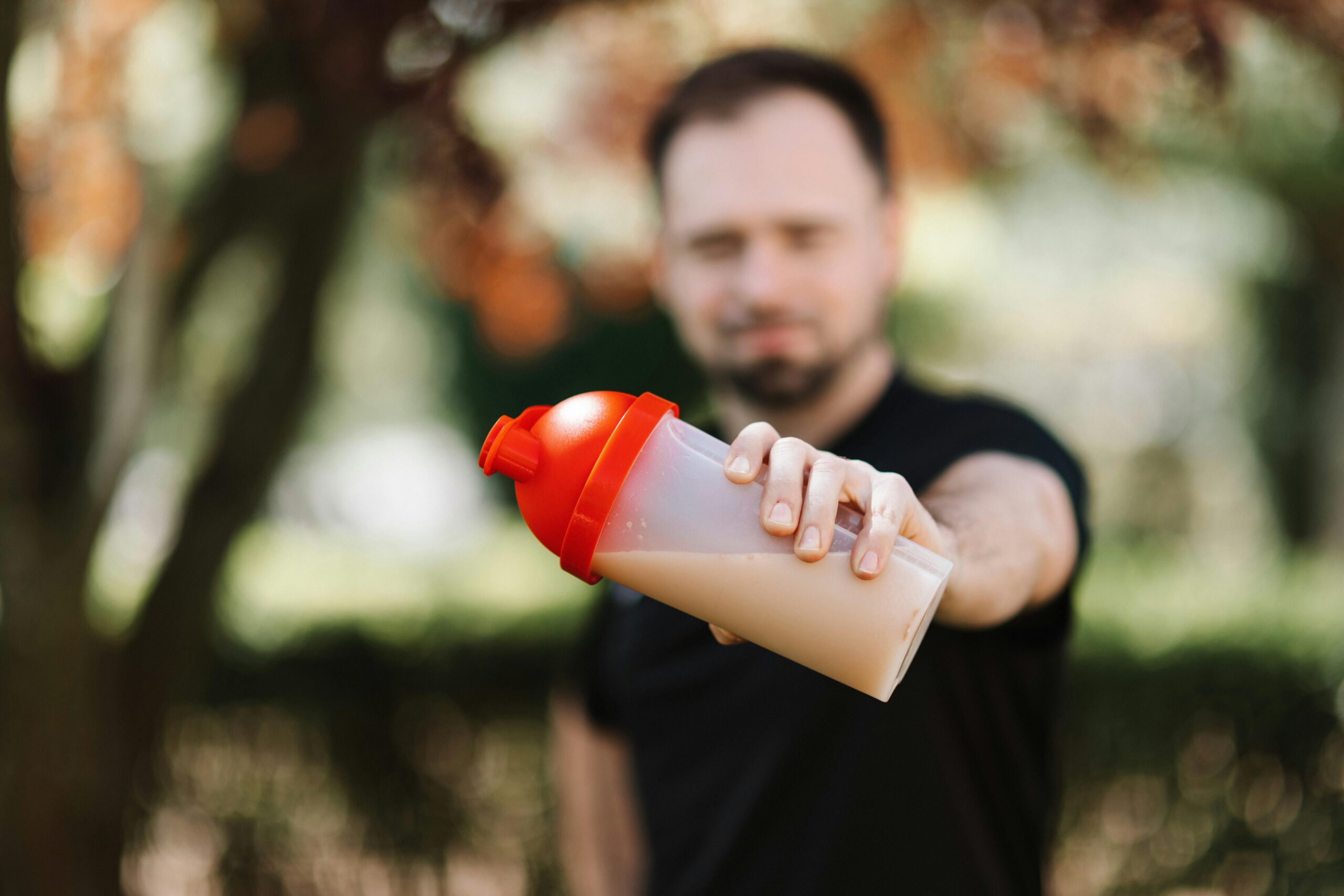
5. Protein Supplements
The Science: Protein supplements are convenient protein sources—not magical muscle builders.
Performance Benefits:
- Support muscle protein synthesis (if total protein intake adequate)
- Convenient post-workout protein source
- Help meet daily protein targets
Critical Reality: Protein supplements work by increasing total daily protein—NOT through magical properties. Whole food protein (chicken, fish, eggs, dairy) provides identical benefits plus additional nutrients.
When Useful:
- Convenient post-workout (powder in shaker)
- Increasing protein intake when appetite limited
- Vegetarian/vegan athletes struggling to meet protein needs
- Travel (easy to transport)
When Unnecessary:
- If eating adequate protein from whole foods
- If budget is tight (whole foods provide more nutrition per dollar)
Effective Dose: 20-25g protein post-workout, distributed intake across day
Types:
- Whey protein: Fast-absorbing, high BCAA content, dairy-based
- Casein: Slow-absorbing, good before bed
- Plant protein: Pea, rice, hemp blends for vegans
- Collagen: No advantage over other proteins despite marketing
Cost-Benefit: Moderate—convenient but not necessary if eating adequate whole food protein.
According to Australian Government nutrition survey data, most Australians exceed protein requirements from diet alone, making protein supplements unnecessary for majority of gym-goers.

Supplements with Limited or No Evidence
BCAAs (Branched-Chain Amino Acids)
The Claim: Muscle growth, reduced soreness, improved recovery
The Evidence: Weak—whole protein sources superior in every study
The Reality: Whey protein contains BCAAs plus other essential amino acids. Isolated BCAAs provide NO advantage over whole protein and cost significantly more.
Verdict: Save your money—eat protein-rich whole foods or use whey protein.
Glutamine
The Claim: Enhanced recovery, immune support, muscle growth
The Evidence: Minimal for athletes with adequate nutrition
The Reality: Non-essential amino acid (body produces it). Supplementation provides no performance benefit in healthy, well-fed athletes.
Verdict: Waste of money for 99% of athletes.
Fat Burners
The Claim: Dramatically increase fat loss
The Evidence: Minimal for most ingredients
The Reality: Most “fat burner” ingredients have weak or no evidence. Those that do work (caffeine, green tea extract) provide minimal benefit (~50-100 extra calories burned daily). Can’t out-supplement a poor diet.
Dangers: Many contain dangerous stimulants, unlisted substances, or excessive caffeine.
Verdict: Focus on nutrition and training—fat burners are expensive, potentially dangerous placebos.
Testosterone Boosters
The Claim: Increase testosterone, build muscle
The Evidence: Natural testosterone boosters don’t significantly affect testosterone levels in healthy men
The Reality: Ingredients like tribulus, fenugreek, D-aspartic acid show minimal to no effect on testosterone. If something genuinely increased testosterone significantly, it would be banned as performance-enhancing drug.
Verdict: Complete waste of money.
HMB (Beta-Hydroxy Beta-Methylbutyrate)
The Claim: Muscle growth, reduced muscle breakdown
The Evidence: Weak and inconsistent
The Reality: May provide minor benefits in untrained individuals or elderly populations. No consistent benefit in trained athletes. Very expensive for questionable benefit.
Verdict: Not worth cost for vast majority of athletes.
Australian Supplement Safety and Regulations
TGA (Therapeutic Goods Administration)
Supplement Classifications:
Listed Medicines (AUST L):
- Lower-risk supplements
- Self-assessed by manufacturer
- TGA doesn’t evaluate efficacy claims
- Most sports supplements fall here
Registered Medicines (AUST R):
- Higher-risk products
- TGA-evaluated for safety and efficacy
- Sports supplements rarely in this category
Critical Limitation: TGA doesn’t test supplements for quality or efficacy—manufacturers self-assess. AUST L listing doesn’t guarantee product works or contains listed ingredients.
Contamination Risk
The Problem: Studies find 10-20% of supplements contain unlisted substances:
- Banned substances (causing positive doping tests)
- Different amounts than label claims
- Heavy metal contamination
- Pharmaceutical drugs

Protecting Yourself:
HASTA Certification (Human Applied Sports Testing Australia):
- Independent batch testing
- Tests for banned substances
- Safer for drug-tested athletes
- Look for HASTA logo on label
Informed Sport:
- International supplement testing program
- Batch-tested for banned substances
- Trusted by professional athletes
ASADA (Australian Sports Anti-Doping Authority) Warning: Athletes responsible for any substances in body—even from contaminated supplements. Supplement contamination is NOT accepted excuse for positive tests.
According to ASADA supplement advice, athletes should assume contamination risk with ALL supplements and only use tested products if subject to drug testing.
Cost-Benefit Analysis: Are Supplements Worth It?
Monthly Supplement Spending:
Typical Gym-Goer’s Supplements:
- Pre-workout: $60
- Protein powder: $80
- BCAAs: $40
- Fat burner: $70
- Total: $250/month = $3,000/year
Evidence-Based Supplements Only:
- Creatine monohydrate: $10-15
- Caffeine (coffee): $90 (assuming daily coffee)
- Protein powder (if genuinely needed): $80
- Total: $180/month = $2,160/year
Savings: $840/year by eliminating ineffective supplements
Better Investment: $840/year could purchase:
- Quality whole foods
- Gym membership upgrade
- Personal training sessions
- Sports nutrition education
- Better training equipment
The Reality Check
95% of gym-goers would see better results from:
- Consistent training program
- Adequate sleep (7-9 hours)
- Sufficient protein from whole foods
- Strategic carbohydrate timing
- Proper hydration
- Stress management
Supplements Don’t Compensate for:
- Poor training program
- Inadequate sleep
- Insufficient nutrition
- Inconsistent effort
Supplements work at the margins—5% improvement for someone already doing 95% correctly. They don’t fix fundamentals.

Who Should Use Supplements?
Strong Case for Supplementation:
- Competitive athletes where 1-2% improvement matters
- Athletes with documented deficiencies (vitamin D, iron)
- Vegetarian/vegan athletes struggling to meet nutrient needs
- Athletes in consistent, structured training programs
- Those who can afford quality supplements without financial stress
Weak Case for Supplementation:
- Recreational gym-goers
- Beginners (focus on training and nutrition fundamentals)
- Anyone not tracking nutrition or training consistently
- Those on tight budgets
- Anyone buying supplements instead of nutritious food
Develop Evidence-Based Sports Nutrition Expertise
Sports supplementation is complex, marketing-heavy field where understanding research, identifying quality evidence, and separating hype from fact requires comprehensive education. Whether optimizing your own performance or aspiring to guide others as sports nutrition professional, evidence-based knowledge is essential.
Our Sports Nutrition Certificate provides in-depth training in sports physiology, nutrient timing, evidence-based supplement use, and practical application. You’ll learn to critically evaluate supplement claims, understand research quality, and develop nutrition plans that prioritize food first, supplements second.
The Bottom Line
The supplement industry thrives on hope, promises, and clever marketing. But performance gains come from consistent training, adequate recovery, and strategic nutrition—not from bottles of overpriced powder.
The few supplements with strong evidence—caffeine, creatine, protein powder (when needed), beta-alanine, nitrates—provide modest but real benefits when used appropriately. Everything else ranges from unproven to complete waste of money.
Save your supplement budget. Invest it in quality whole foods, education, or better training resources. Your performance will improve more from getting nutrition fundamentals right than from any supplement stack.
And if you do supplement, choose evidence-based products, stick to HASTA/Informed Sport certified brands if drug-tested, and remember: supplements supplement a solid foundation—they don’t create one.
Your wallet and performance will thank you.