


Interior design combines creativity with commerce, artistry with practicality, vision with execution. An interior design course transforms your eye for aesthetics into marketable skills commanding $65,000+ salaries or $100+ hourly consulting rates. This isn’t about having good taste—it’s about understanding space planning, building codes, client psychology, and project management. The Australian property boom has created insatiable demand for design professionals who can maximise value and livability in residential and commercial spaces.
The interior design industry contributes $16 billion annually to Australia’s economy, growing 5% yearly. Every renovation, new build, and commercial fitout needs design expertise. Property investors seek designers who increase rental yields through smart styling. Homeowners want spaces reflecting their personalities while maximising functionality. Businesses need environments supporting productivity and brand identity. Your interior design course opens doors to all these opportunities.

Mastering the Design Process from Concept to Completion
Professional interior design follows systematic processes ensuring successful outcomes. Your interior design course teaches this methodology, transforming creative ideas into implementable plans. Beginning with client briefs, you’ll learn to extract genuine needs beyond surface wants. Understanding lifestyle, budget, and timeline constraints shapes realistic design solutions. This client-centric approach distinguishes professionals from decorators.
Mood boards remain powerful communication tools bridging vision and reality. Courses teach creating compelling visual narratives using colours, textures, materials, and inspiration images. Digital mood boards using Canva or Adobe Creative Suite allow instant modifications and client collaboration. Physical boards still impress in presentations, teaching you when each format works best. These visual communication skills prove invaluable across all design projects.
Space planning forms interior design’s technical foundation. You’ll master measuring rooms accurately, creating scaled floor plans, and optimising traffic flow. Understanding ergonomics ensures comfortable, functional spaces. Courses cover furniture sizing, clearances, and accessibility requirements. Software training in AutoCAD or SketchUp transforms your plans into professional drawings clients and contractors understand.
Material selection and specification require extensive knowledge developed throughout your course. Understanding durability, maintenance, cost, and aesthetic properties of countless materials—from flooring to fabrics—ensures appropriate choices. You’ll learn sourcing strategies, supplier relationships, and budget management. This practical knowledge prevents costly mistakes and builds client confidence in your expertise.

The Technical Skills Separating Professionals from Amateurs
Interior design courses emphasise technical competencies that validate your professional status. Building codes and regulations knowledge ensures legal compliance and client safety. Understanding electrical, plumbing, and structural basics helps you communicate effectively with trades. These technical skills command respect from builders and architects who become valuable professional partners.
Colour theory goes beyond choosing pretty palettes. Courses teach psychological impacts of colour, cultural considerations, and technical applications. Understanding undertones prevents clashing selections. Knowledge of light’s effect on colour ensures spaces look beautiful always, not just in showroom lighting. These skills create harmonious environments that feel intuitively right to inhabitants.
Lighting design dramatically impacts spatial experience yet remains poorly understood by amateurs. Your interior design course covers ambient, task, and accent lighting principles. You’ll learn calculating lumens, selecting fixtures, and creating lighting plans. Understanding natural light patterns and window treatments maximises daylight while maintaining privacy. This expertise transforms ordinary rooms into extraordinary spaces.
Digital proficiency has become non-negotiable in modern interior design. Courses ensure competency in industry-standard software. AutoCAD for technical drawings, SketchUp for 3D visualisation, Photoshop for presentations. You’ll create virtual walkthroughs helping clients envision designs before implementation. These technical skills streamline communication, reduce revisions, and accelerate project completion.
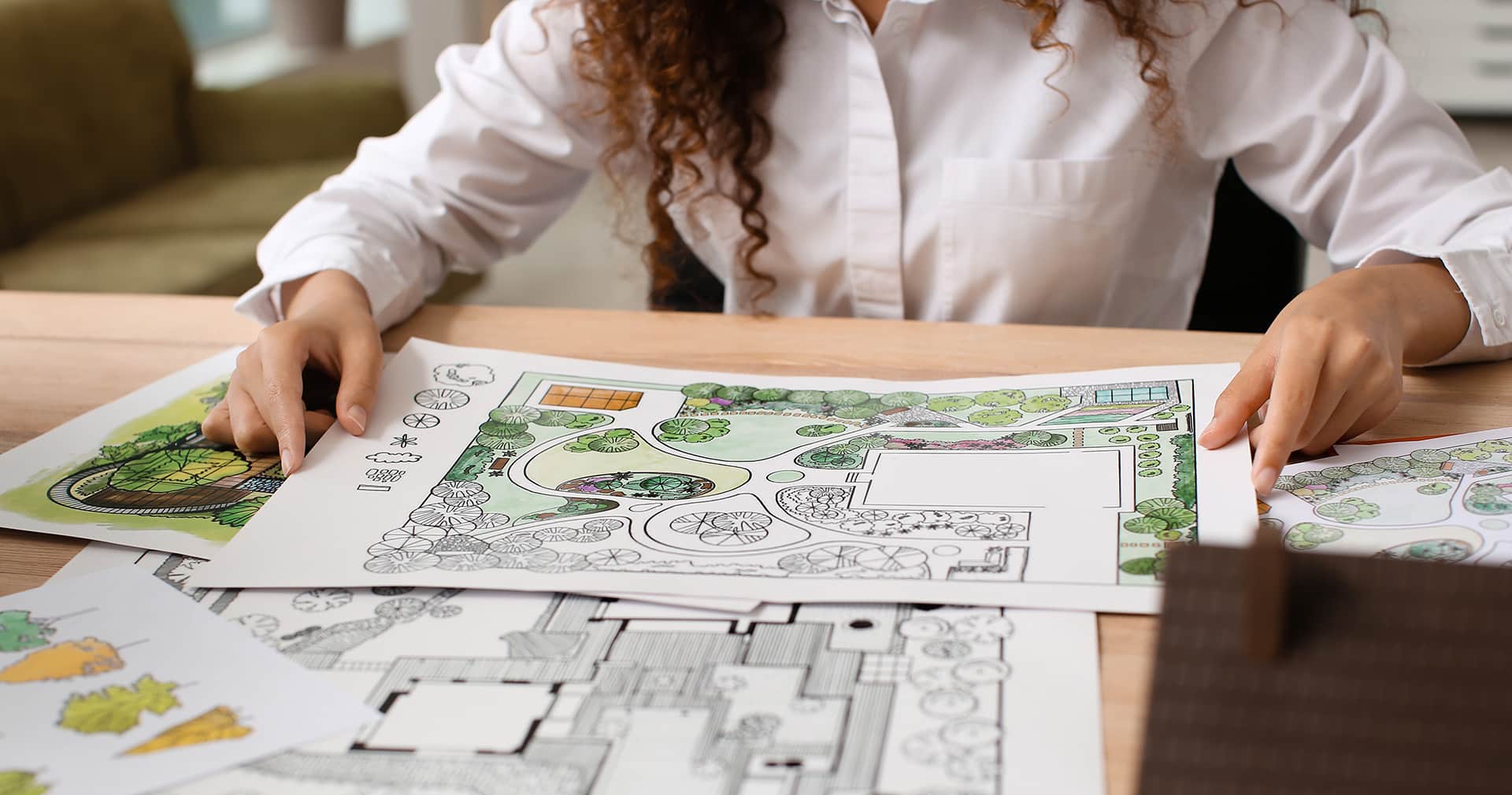
Combining Interior and Landscape Design for Complete Solutions
Smart designers recognise that interior and exterior spaces interconnect. Adding a landscaping course content to your interior design foundation creates unique market positioning. You become the designer who ensures seamless indoor-outdoor flow, maximising property potential. This comprehensive capability attracts premium clients wanting cohesive design solutions.
Australian climate encourages indoor-outdoor living, making this combination particularly valuable. You’ll design interiors that embrace garden views while planning landscapes visible from inside. Understanding how paving materials complement interior flooring, how plant selections enhance colour schemes, and how outdoor furniture extends living spaces sets you apart from single-discipline designers.
Landscaping knowledge enhances sustainable design credentials increasingly important to clients. Understanding passive solar principles, natural ventilation, and appropriate plant selection for climate control reduces energy consumption. You can specify interior materials complementing sustainable landscape practices. This holistic approach appeals to environmentally conscious clients willing to pay premiums for green design.
The business advantages of dual expertise multiply earning potential. Instead of referring landscape design to others, you capture entire project fees. Property developers particularly value designers managing complete packages. Your ability to ensure design consistency across all spaces justifies higher rates. Many successful designers report that adding landscape capabilities doubled their business within two years.
Building Your Portfolio and Attracting Ideal Clients
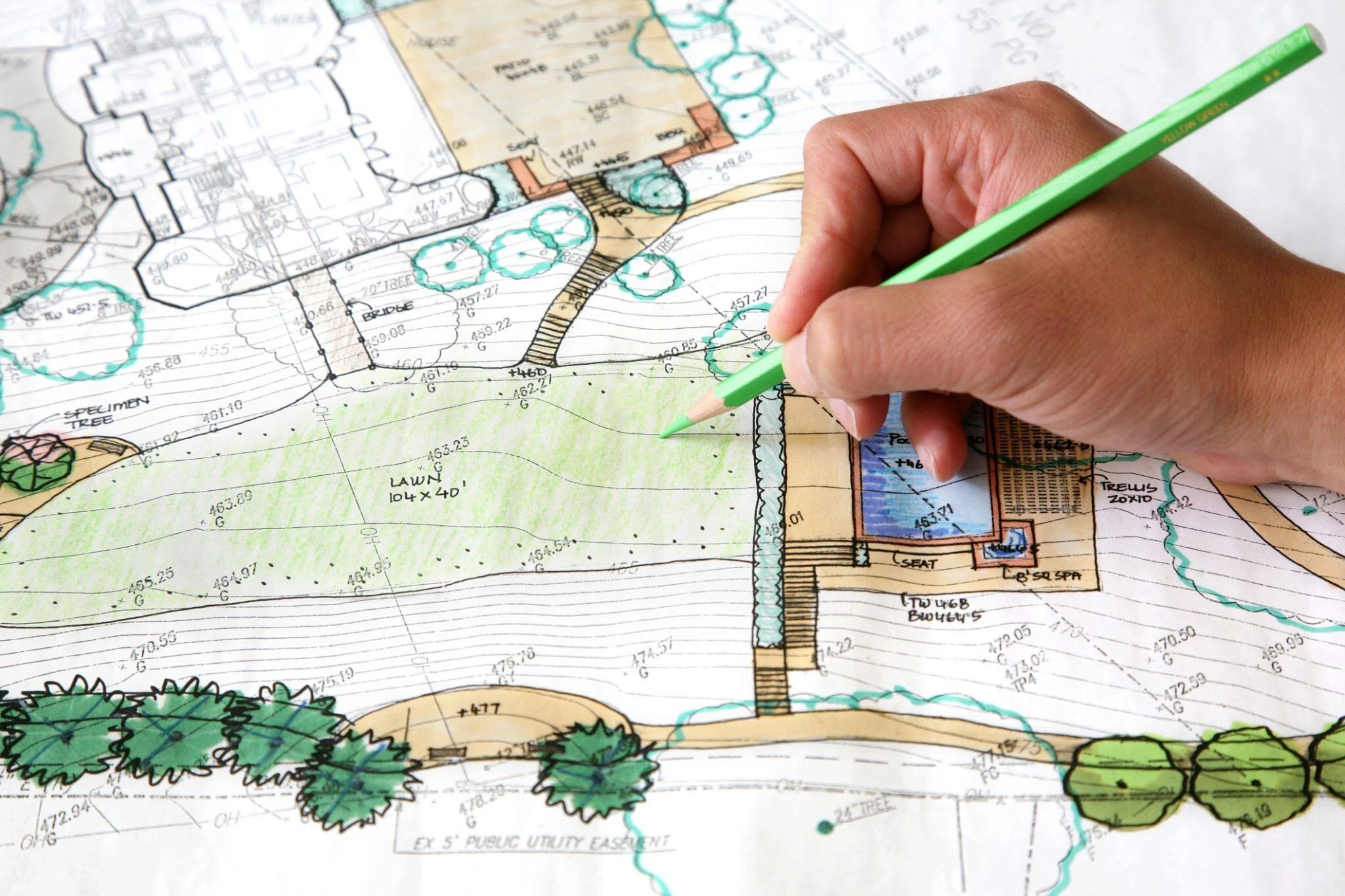
Portfolio development begins during your interior design course, not after graduation. Every assignment becomes potential portfolio content when executed professionally. Document projects thoroughly with before photos, concept development, technical drawings, and styled final shots. This progression demonstrates your complete process, building client confidence in your abilities.
Digital portfolios on websites and Instagram have become primary marketing tools. Courses teach photographing spaces effectively, understanding angles, lighting, and styling for impact. You’ll learn creating cohesive social media presence attracting your ideal clients. Consistency in style and quality matters more than quantity. Ten excellent projects outperform fifty mediocre ones.
Specialisation helps establish your unique market position. While courses provide comprehensive foundation, developing expertise in specific areas attracts premium clients. Sustainable design, heritage restoration, small space solutions, or accessible design all offer profitable niches. Choose specialisations aligning with personal interests ensuring long-term career satisfaction.
Pricing strategies significantly impact business success. Interior design courses teach calculating true costs including research, revisions, and project management time. You’ll understand different pricing models: hourly rates, fixed fees, percentage of project cost. Learning when each applies helps you remain profitable while competitive. Understanding value-based pricing ensures you’re compensated fairly for expertise, not just time.

Frequently Asked Questions
Do I need natural artistic talent to succeed in interior design?
Interior design relies more on learned skills than natural talent. While creativity helps, courses teach design principles, technical skills, and systematic approaches anyone can master. Many successful designers describe themselves as problem-solvers rather than artists.
How does combining interior design with landscaping courses increase income?
Offering complete indoor-outdoor design solutions typically doubles project values. Instead of earning $5,000 for interior design, you might earn $12,000 for complete property design. Clients prefer single designers ensuring consistency, paying premiums for convenience.
What software skills are essential for interior design success?
AutoCAD for technical drawings and SketchUp for 3D visualisation are industry standards. Adobe Creative Suite helps with presentations. However, courses teach these progressively, and many successful designers start with simpler tools, upgrading as business grows.
Transform your creative vision into a profitable career with interior design courses from My Learning Online. Our comprehensive programme covers everything from concept development to client presentation, with options to add landscaping expertise. Start with payments from just $30 weekly.
Visit My Learning Online to begin your design journey.