


Australian agriculture faces unprecedented challenges from climate variability, with increasingly frequent droughts, floods, and extreme heat events testing farm resilience. Simultaneously, consumer awareness of environmental impacts drives growing demand for sustainably produced food, creating premium market opportunities for farmers adopting responsible practices. Sustainable farming is no longer just environmentally responsible—it’s economically smart, building long-term farm productivity whilst reducing input costs and accessing premium markets. This comprehensive guide explores proven sustainable farming practices tailored specifically for Australian conditions, helping you build a more resilient and profitable agricultural enterprise.
Understanding Sustainable Agriculture
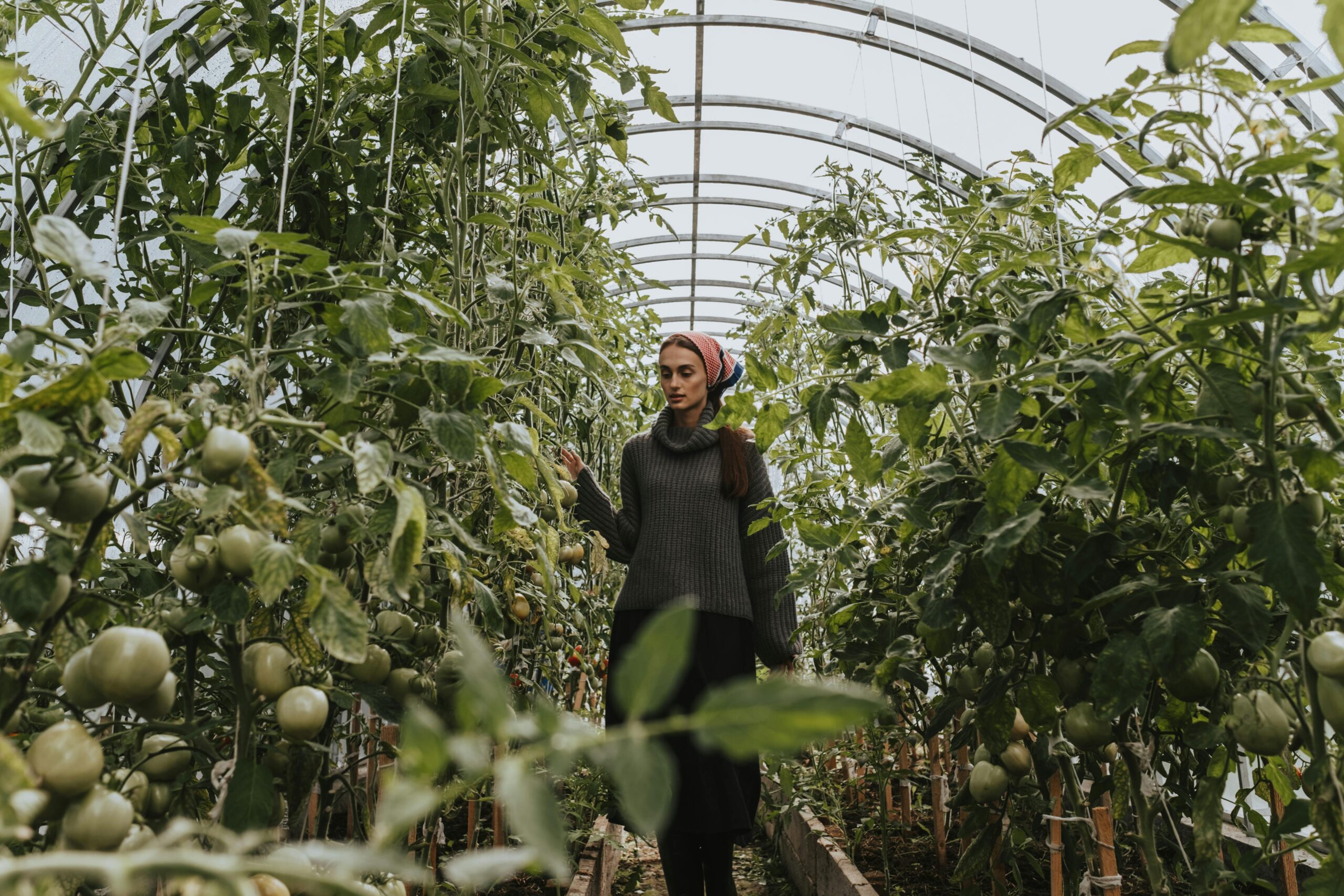
Sustainable agriculture balances three interconnected objectives: environmental stewardship, economic viability, and social responsibility. This “triple bottom line” approach recognises that long-term farming success requires maintaining natural resources, generating adequate income, and contributing positively to rural communities.
Environmental sustainability focuses on preserving soil health, protecting water quality, maintaining biodiversity, and reducing greenhouse gas emissions. These practices ensure farms remain productive for future generations rather than depleting natural capital through extraction-focused approaches.
Economic sustainability demands that environmental practices don’t undermine profitability. Sustainable methods must demonstrate positive returns on investment, whether through reduced input costs, improved productivity, premium pricing, or enhanced resilience to climate shocks. CSIRO sustainable agriculture research consistently demonstrates that well-implemented sustainable practices improve farm financial performance over time.
Social sustainability encompasses fair labour practices, community engagement, and knowledge sharing. Sustainable farms contribute to vibrant rural communities, support local employment, and maintain strong social networks.
Australian conditions demand adapted sustainable practices. Our variable rainfall, ancient soils, intense sunshine, and unique ecosystems require different approaches than Northern Hemisphere farming systems. Water conservation takes priority in our driest inhabited continent, whilst soil fertility management addresses inherently low-nutrient profiles. Consumer trends increasingly favour locally produced, organic, and regeneratively farmed products, creating market pull for sustainable producers.

Soil Health Management
Healthy soils underpin sustainable farming success, providing the foundation for plant growth whilst storing carbon, filtering water, and supporting beneficial organisms. Australian soils generally contain lower organic matter than Northern Hemisphere soils, making organic matter building especially critical.
Building soil organic matter requires consistent addition of carbon-rich materials combined with minimal disturbance. Cover cropping represents one powerful strategy—planting crops specifically to improve soil rather than for harvest. Legume cover crops like field peas, vetch, or medics fix atmospheric nitrogen whilst adding organic matter when incorporated. Grass species like oats or rye provide biomass and improve soil structure. In NSW wheat belts, farmers increasingly plant cover crops during fallow periods, adding 3-5 tonnes per hectare of organic matter annually.
Composting farm organic waste including crop residues, livestock manure, and green waste creates nutrient-rich soil amendments. Quality compost improves soil structure, water-holding capacity, and microbial diversity. Many vegetable growers in Victoria’s market garden regions rely heavily on compost applications, reducing synthetic fertiliser requirements by 30-50%.
Minimal tillage and no-till systems preserve soil structure and organic matter whilst reducing erosion and fuel costs. Department of Agriculture soil health guidelines demonstrate that continuous cropping with controlled traffic farming maintains better soil health than conventional tillage. Western Australian grain growers widely adopt no-till systems, seeding directly into stubble with specialised equipment. This approach proves particularly effective in erosion-prone regions.
Regular soil testing monitors nutrient levels, pH, organic matter content, and potential limitations. Annual testing allows targeted nutrient applications rather than blanket fertilising, reducing costs whilst maintaining productivity. Understanding your specific soil characteristics—whether heavy Victorian clays requiring drainage management or light NSW sandy loams needing frequent organic matter additions—enables precisely tailored management.
Water Conservation and Management
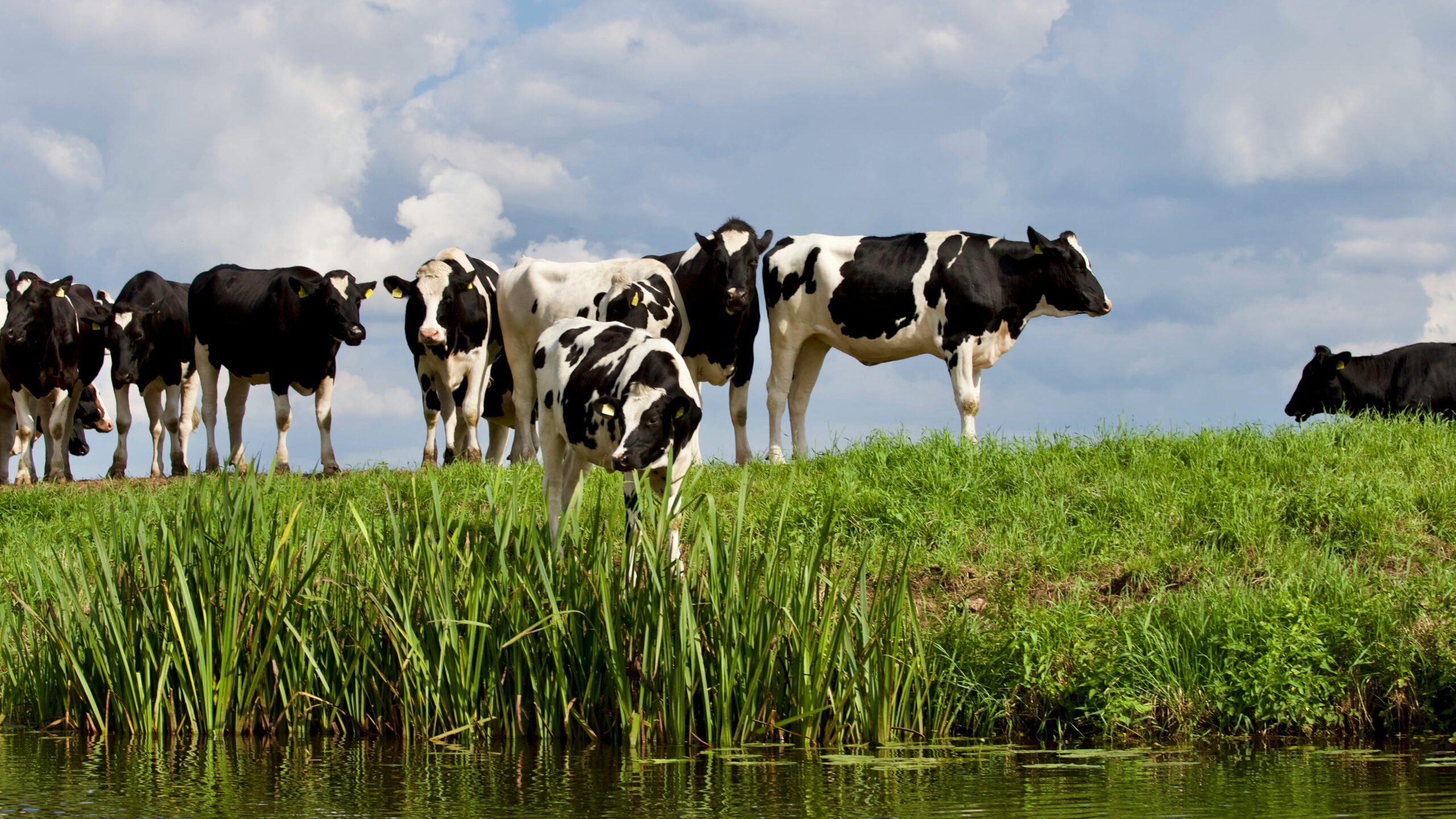
Water represents Australia’s most limiting agricultural resource, making efficient water use central to sustainable farming. Climate projections indicate increasing rainfall variability, elevating water management importance.
Efficient irrigation systems dramatically reduce water waste whilst maintaining productivity. Drip irrigation delivers water directly to plant root zones, reducing evaporation losses by 40-60% compared to overhead sprinklers. Sub-surface drip irrigation prevents any evaporation losses, proving ideal for high-value horticultural crops. Whilst upfront costs exceed conventional systems, water savings and improved crop performance typically deliver payback within 3-5 years.
Water harvesting and storage infrastructure captures rainfall for later use. Farm dams, tanks, and improved natural watercourses store water from wet periods for dry season irrigation or livestock watering. Victorian dairy farmers increasingly invest in large storage dams, capturing winter rainfall for summer pasture irrigation and reducing reliance on limited irrigation allocations.
Matching crops and livestock to local rainfall zones improves water use efficiency. Dryland farming regions achieve best results with drought-tolerant species, accepting lower yields rather than attempting intensive production requiring irrigation. Queensland cattle stations select breeds and stocking rates matching average rainfall rather than wet-year potential, maintaining profitability through drought cycles.
Technology assists optimal water management. Soil moisture sensors indicate exactly when irrigation is required rather than relying on scheduled watering, potentially reducing water use by 20-30%. Bureau of Meteorology agricultural weather services provide seasonal forecasts assisting decisions about crop selection, stocking rates, and water storage management.
Drought-proofing strategies include diversifying water sources, maintaining conservative stocking rates, preserving groundcover, and developing fodder reserves. Farms with multiple water sources—combining rainfall, irrigation, groundwater, and potentially desalinated or recycled water—demonstrate greater resilience during prolonged dry periods.

Integrated Pest Management
Reducing chemical dependency improves farm sustainability whilst often reducing production costs. Integrated Pest Management (IPM) uses multiple complementary strategies to manage pests, diseases, and weeds, reserving chemical controls as a last resort rather than first response.
Biological control harnesses natural predators, parasites, and pathogens to manage pest populations. Encouraging beneficial insects like lacewings, ladybirds, and parasitic wasps controls aphids, caterpillars, and other crop pests. Many South Australian vegetable growers maintain insectary plantings—flowering species providing nectar and habitat for beneficial insects—alongside production crops.
Crop rotation disrupts pest and disease cycles, reducing population buildup. Alternating crop families prevents host-specific pests establishing permanent populations. Traditional wheat-sheep rotations in southern Australia combined grain production with livestock grazing, naturally controlling weeds whilst building soil nitrogen. Modern rotations incorporate diverse crops including legumes, brassicas, and cereals, maximising pest disruption whilst spreading farm income sources.
Companion planting leverages plant interactions to deter pests or enhance growth. Planting aromatic herbs amongst vegetables confuses pest insects, whilst nitrogen-fixing legumes support neighbouring plants. Many organic market gardeners intercrop multiple species, creating complex habitats less susceptible to pest outbreaks than monocultures.
Threshold monitoring determines whether pest control actions are actually necessary. Regular crop inspection and pest counting allows economically rational decisions—treating only when pest populations exceed levels causing economic damage. This approach often reveals that pest populations remain below treatment thresholds, saving unnecessary chemical applications.
Natural predator encouragement through habitat provision proves particularly effective. Maintaining native vegetation strips, diverse pastures, and farm tree plantings provides habitat for pest-controlling birds, reptiles, and beneficial insects. Tasmanian cherry growers report significant pest reductions after establishing native vegetation corridors adjacent to orchards.
Economic benefits of IPM extend beyond reduced chemical costs. Many export markets, particularly in Asia and Europe, demand low chemical residue produce, with IPM-managed crops meeting stricter standards. Organic certification—achievable through IPM approaches—accesses premium pricing often 20-50% above conventional produce.
Master sustainable pest management techniques in our Certificate in Organic Farming and Horticulture, covering biological controls, crop rotation planning, and organic certification pathways. Study online with expert support, building skills for accessing premium sustainable markets.

Biodiversity and Ecosystem Services
Preserving and enhancing farm biodiversity provides multiple benefits including pest control, pollination services, soil health, and climate resilience. Sustainable farms actively manage biodiversity as a productive asset rather than viewing native vegetation as unproductive land.
Native vegetation corridors connecting remnant bushland across properties provide wildlife movement paths whilst reducing wind erosion and providing shelter for livestock. Many cropping farms maintain vegetation strips along fence lines and watercourses, often representing just 2-3% of total area but significantly enhancing ecosystem function.
Shelter belts and windbreaks reduce wind erosion whilst moderating temperatures and providing livestock shelter. Strategic tree plantings can reduce wind speed by 30-40% across downwind areas extending 10-15 times tree height. South Australian grain growers with established shelter belt systems report reduced crop lodging and soil erosion whilst providing timber harvest opportunities.
Pollinator habitat proves critical for many horticultural enterprises. Native bee populations depend on continuous flowering plant availability and nesting sites. Orchard and vegetable growers increasingly establish pollinator gardens with diverse native and exotic flowering species, ensuring strong pollination services without relying entirely on commercial beehives.
Wetland conservation protects water quality whilst providing wildlife habitat. Maintaining or restoring farm wetlands filters runoff, reduces nutrient loads reaching waterways, and supports diverse aquatic ecosystems. Constructed wetlands treat dairy effluent or feedlot runoff, demonstrating how environmental assets integrate with production systems.
Holistic land management balances production areas with conservation zones, creating resilient landscapes supporting both agricultural productivity and ecosystem health. This approach recognises that healthy ecosystems underpin sustainable production rather than competing with it.
Carbon Farming and Climate Action
Australian carbon farming allows farmers to generate income from carbon sequestration whilst improving farm sustainability. The Carbon Credits (Carbon Farming Initiative) Act enables farmers to earn Australian Carbon Credit Units (ACCUs) for eligible activities.
Sequestration methods include tree planting on marginal areas, improving soil carbon through changed management, or implementing savanna fire management on northern properties. Each ACCU represents one tonne of carbon dioxide equivalent, tradeable in carbon markets typically returning $15-30 per ACCU depending on market conditions.
Soil carbon projects involve changing farming practices to increase soil organic matter—adopting no-till systems, increasing pasture perennially, or improving grazing management. Whilst soil carbon accrual rates vary by location and practice, successful projects sequester 0.5-2.0 tonnes CO2-equivalent per hectare annually.
Emissions reduction strategies including improved feed efficiency for livestock, managing effluent systems, or capturing methane from manure storage can generate credits. Dairy farmers implementing covered effluent ponds that capture methane for electricity generation simultaneously reduce emissions, produce renewable energy, and earn carbon credits.
The Clean Energy Regulator administers the Emissions Reduction Fund, detailing eligible methods, measurement protocols, and registration processes. Professional carbon project developers assist farmers navigating compliance requirements, though their services reduce net returns.
Financial incentives vary, but combining carbon income with productivity improvements makes projects more viable. Tree plantings on erosion-prone hillsides generate carbon income whilst protecting downslope cropping areas. Soil carbon projects that simultaneously improve water-holding capacity enhance drought resilience alongside carbon sequestration.
Market premiums for low-carbon agricultural products provide additional incentives. Export beef certified as carbon-neutral accesses premium pricing in environmentally conscious markets, particularly in Japan and Korea.

Regenerative Agriculture Principles
Regenerative agriculture extends beyond sustainability, actively improving soil health, water cycles, and ecosystem function rather than merely maintaining current conditions. This holistic approach is gaining traction across Australian agriculture as farmers recognise benefits extending beyond environmental outcomes to improved productivity and resilience.
Core regenerative principles include minimising soil disturbance, maintaining living roots year-round, maximising crop diversity, integrating livestock with cropping, and maintaining soil cover. These practices work synergistically, with combined benefits exceeding individual practices.
Rotational grazing exemplifies regenerative livestock management. Rather than continuously grazing paddocks, livestock rotate through multiple smaller paddocks with extended rest periods between grazing events. This allows pastures to fully recover, maintaining plant vigour and root systems whilst distributing manure evenly. NSW sheep producers implementing rotational grazing report 30-50% increased stocking rates alongside improved pasture composition and soil health.
South Australian mixed farmers combining livestock and cropping in integrated rotations demonstrate how regenerative practices enhance whole-farm performance. Sheep graze cover crops during winter, distributing nutrients whilst controlling weeds, before crops are planted in spring. This integration reduces fertiliser requirements, controls pests, and diversifies income streams.
Western Australian grain growers adopting regenerative practices including diverse crop rotations, minimal tillage, and cover cropping report improved soil water-holding capacity—critical for dryland farming. They observe yields maintaining better during dry seasons, demonstrating enhanced resilience from improved soil health.
Market premiums for regeneratively farmed products are emerging. Several Australian retailers now stock certified regenerative produce, whilst export markets increasingly recognise regenerative certification. Premium payments typically range from 10-30% above conventional pricing, though market development continues evolving.
Our Certificate in Farm Management includes comprehensive modules on sustainable and regenerative practices, teaching you to implement these approaches whilst maintaining profitability. Study online at your own pace with expert tutor support six days a week.
Economic Viability of Sustainable Practices
Transitioning to sustainable farming requires investment, but cost-benefit analysis demonstrates positive long-term returns. Understanding the economics helps justify initial outlays and maintain commitment through transition periods.
Reduced input costs represent the most immediate financial benefit. Farmers reducing synthetic fertiliser use through organic matter building and legume rotations save $50-150 per hectare annually. Integrated pest management reducing chemical applications saves $30-80 per hectare whilst maintaining yields. No-till farming reduces fuel and labour costs by 20-40% compared to conventional tillage.
Premium pricing opportunities reward sustainable practices. Organic certification commands price premiums of 20-50% for many products. Grass-fed beef certification, free-range eggs, and regeneratively farmed grains all access premium markets. Even without formal certification, direct marketing to environmentally conscious consumers often achieves above-commodity pricing.
Long-term profitability improvements stem from enhanced soil health and farm resilience. ABARES research tracking farm financial performance demonstrates that operations maintaining strong natural resource conditions achieve better long-term profitability than farms depleting soil and water resources.
Grant funding assists sustainable transitions. State and federal programs subsidise specific improvements including fencing for rotational grazing, water efficiency upgrades, native vegetation plantings, and carbon farming projects. These programs often cover 30-50% of project costs, significantly improving project viability.
Many sustainable practices involve labour substitution for purchased inputs—replacing chemical pest control with manual management, or replacing fertiliser with compost production. For farmers with available labour, this shift reduces cash costs whilst building soil health.
Transition periods require patience. Building soil organic matter, establishing biological pest control, or developing markets for premium products all require 2-5 years before full benefits materialise. However, farmers who persist report transformed farm systems with reduced input costs, improved resilience, and enhanced satisfaction.

Building Your Sustainable Farm
Sustainable farming represents Australian agriculture’s future, combining environmental responsibility with economic opportunity. Climate change, resource limitations, and evolving consumer preferences all favour farmers adopting regenerative approaches that build natural capital whilst producing food and fibre.
Starting small allows manageable transitions without overwhelming operational changes. Implement one practice at a time—perhaps beginning with cover cropping on a portion of cropping area, or establishing a small rotational grazing cell. Monitor outcomes, refine your approach, then expand successful practices across the farm.
Investment in knowledge provides the foundation for successful sustainable farming. Understanding soil biology, ecological interactions, and holistic management enables informed decisions tailored to your specific conditions. Enrol in our Certificate in Agriculture and Farming today to build comprehensive sustainable farming knowledge. Study online with flexible payment plans from just $30 per week, accessing expert tutor support six days a week as you transform your farm into a thriving sustainable enterprise.