
Sourcing quality wholesale flowers at competitive prices is fundamental to floristry profitability. Whether you’re launching a floristry business or expanding your supplier network, understanding Australia’s wholesale flower supply chain—from major markets to local growers—determines your product quality, profit margins, and competitive positioning.
This comprehensive guide covers everything you need to source wholesale flowers across Australia, including market locations and hours, direct grower relationships, online wholesalers, seasonal sourcing strategies, and pricing guidance for every state.
Understanding Australia’s Flower Supply Chain
The Journey:
- Growers: Australian flower farms + imported flowers
- Wholesalers: Purchase from growers, sell to florists
- Markets: Central wholesale hubs in major cities
- Florists: Purchase from wholesalers/markets/growers
- Consumers: Receive finished arrangements
Australian Reality:
- 60% of flowers sold in Australia are imported (Colombia, Ecuador, Kenya, Netherlands)
- 40% grown domestically (roses, natives, seasonal flowers)
- Imports dominate roses, carnations, chrysanthemums
- Natives, proteas, and seasonal flowers predominantly local
According to Australian Bureau of Agricultural and Resource Economics, the Australian cut flower industry is valued at $180 million annually at farm gate, with retail value exceeding $900 million.
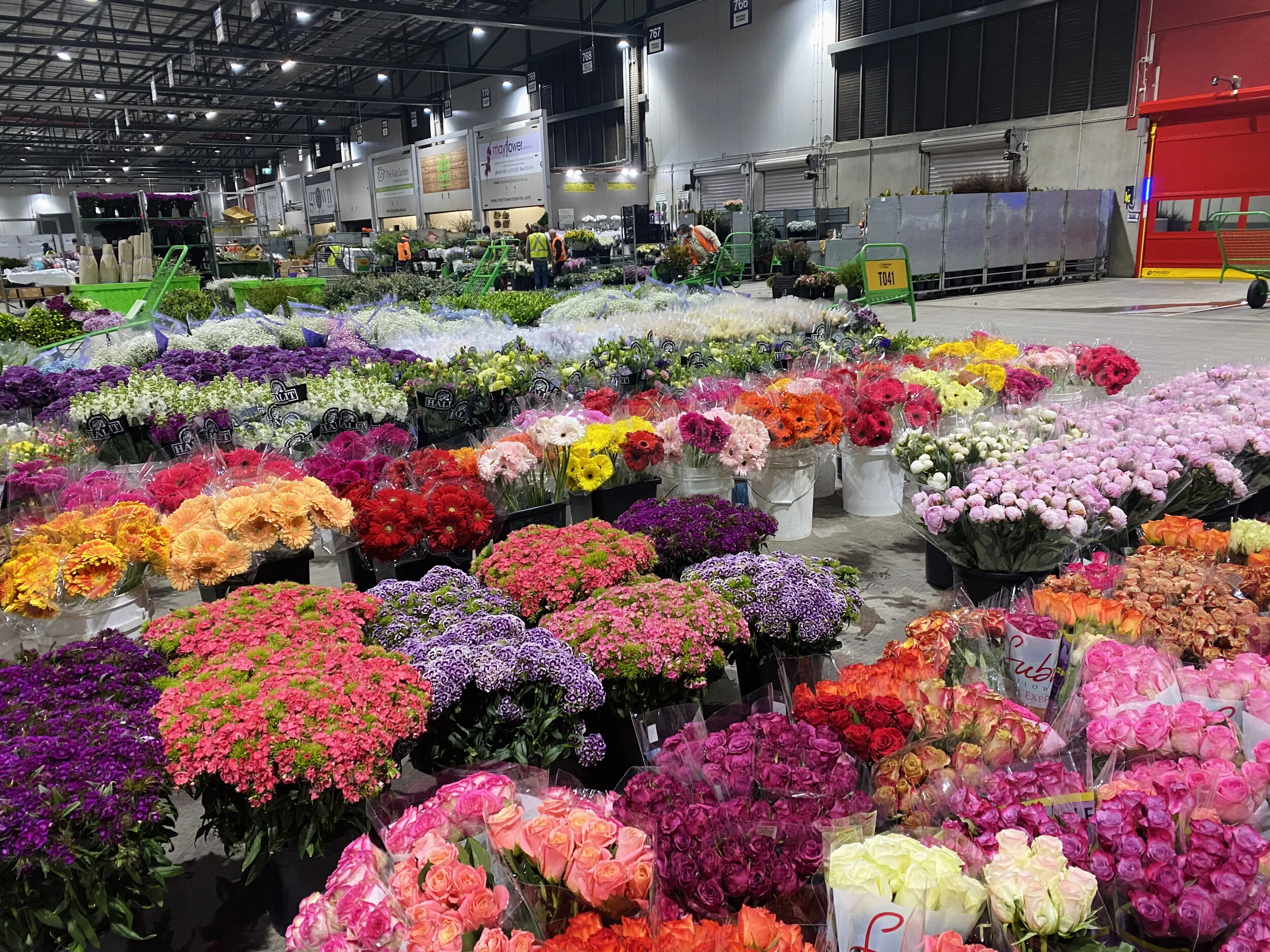
Major Wholesale Flower Markets in Australia
Melbourne Flower Market
Location: 130 Quieta Dr, Epping, VIC 3076
Operating Hours:
- Monday-Friday: 5:00 AM – 11:00 AM
- Saturday: 5:00 AM – 10:00 AM
- Closed Sundays and public holidays
What Makes It Special:
- Largest flower market in Australia
- 40+ wholesalers under one roof
- Widest selection nationwide
- Competitive pricing due to volume
- Excellent native flower selection
- Direct grower stalls
Buyer Requirements:
- Business registration (ABN)
- Account setup with individual wholesalers
- Cash and EFTPOS accepted
- Some wholesalers require minimum purchase (varies)
Peak Times:
- Busiest: 6:00-8:00 AM
- Best selection: Arrive before 7:00 AM
- Quieter after 9:00 AM (but reduced selection)
Parking: Ample free parking
Melbourne Florist Tip: Arrive by 6:00 AM on Wednesday/Thursday for best selection. Valentine’s week requires 5:00 AM arrival.
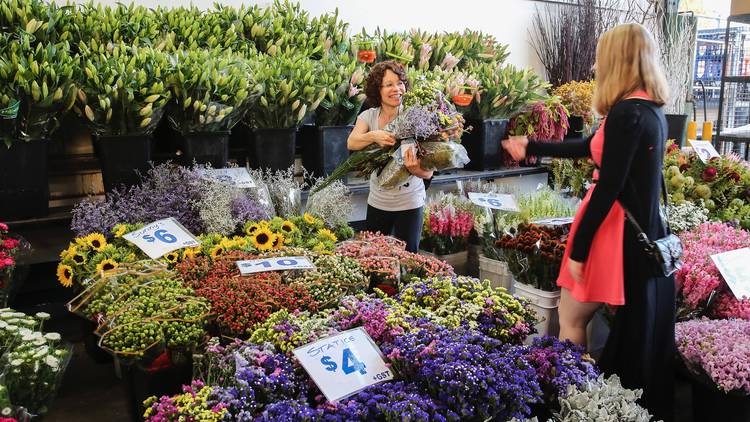
Sydney Flower Market
Location: Corner Parramatta Rd & Burwood Rd, Flemington, NSW 2140
Operating Hours:
- Monday-Friday: 4:00 AM – 12:00 PM
- Saturday: 4:00 AM – 10:00 AM
- Closed Sundays
What Makes It Special:
- Second-largest Australian market
- Direct import access (international shipments)
- Excellent Asian flower suppliers
- Strong orchid and tropical selection
- Proximity to airport (fresh imports)
Buyer Requirements:
- ABN registration
- Individual wholesaler accounts
- Cash/EFTPOS
- Minimum purchases vary by wholesaler
Peak Times:
- Busiest: 5:00-7:00 AM
- Best selection: Before 6:00 AM
- Reduced traffic after 8:00 AM
Parking: Large parking area (can get very busy)
Sydney Florist Tip: Build relationships with multiple wholesalers—quality and selection vary significantly between vendors.

Brisbane Flower Market
Location: Brisbane Flower Markets, Rocklea, QLD 4106
Operating Hours:
- Monday-Friday: 5:00 AM – 11:00 AM
- Saturday: 5:00 AM – 10:00 AM
- Closed Sundays
What Makes It Special:
- Tropical flower specialties
- Strong orchid selection
- Queensland-grown flowers (proteas, tropicals)
- Smaller market, more personal relationships
Buyer Requirements:
- ABN
- Wholesaler account setup
- Cash/card accepted
Peak Times:
- Best selection: 6:00-7:00 AM
- Quieter shopping: After 8:00 AM
Brisbane Florist Tip: Tropical flowers (heliconias, gingers, orchids) significantly cheaper here than southern markets.

Perth Flower Market
Location: Market City, 280 Bannister Road, Canning Vale, WA 6155
Operating Hours:
- Monday, Wednesday, Friday: 6:00 AM – 12:00 PM
What Makes It Special:
- Western Australian native flowers (kangaroo paw, wax flower)
- Excellent local protea growers
- Boutique selection
- Strong local growing industry
Buyer Requirements:
- ABN
- Account with wholesalers
- Cash/EFTPOS
Perth Florist Tip: Perth’s isolation means limited import variety but exceptional local natives. Build direct grower relationships for best native selection.
Adelaide Flower Market
Location: Adelaide Produce Market, Pooraka, SA 5095
Operating Hours:
- Monday-Saturday: 7:00 AM onwards (hours vary by vendor)
What Makes It Special:
- Smaller, more intimate market
- Strong relationships between florists and wholesalers
- Good native selection
- Competitive pricing for South Australian region
Adelaide Florist Tip: Smaller market means building relationships with wholesalers is essential for consistent quality.
According to Flowers Australia industry data, wholesale flower markets account for 70% of florist purchases, with remaining 30% split between direct growers and online wholesalers.

Direct Grower Relationships
Benefits of Buying Direct
Advantages:
- Best pricing (eliminate wholesaler margin)
- Freshest flowers (direct from source)
- Unique varieties unavailable at markets
- Seasonal specialty crops
- Build relationships for consistent quality
- Support local agriculture
Challenges:
- Minimum order quantities (often high)
- Limited variety (single-crop farms)
- Less flexible ordering
- Delivery logistics (or farm pickup required)
- Seasonal availability only
Finding Local Growers
Methods:
- Flower market vendor boards (growers advertise)
- Australian Flower Growers Association members
- Local agricultural shows and farmers markets
- Google searches: “flower growers [your region]”
- Instagram (many growers showcase flowers)
- Ask other florists for referrals
Major Growing Regions by State
Victoria:
- Dandenongs: Roses, mixed flowers
- Gippsland: Proteas, natives
- Mornington Peninsula: Boutique flower farms
- Yarra Valley: Seasonal flowers, dahlias
New South Wales:
- Hunter Valley: Roses, seasonal flowers
- Central Coast: Proteas, natives
- Southern Highlands: Cool-climate flowers
- Northern NSW: Tropical flowers
Queensland:
- Sunshine Coast hinterland: Tropicals, proteas
- Atherton Tablelands: Year-round production
- Southeast Queensland: Heliconias, gingers
Western Australia:
- Perth Hills: Natives, kangaroo paws
- South Coast: Proteas, wildflowers
- Wheatbelt: Wax flowers, natives
South Australia:
- Adelaide Hills: Roses, seasonal flowers
- Barossa Valley: Boutique growers
Tasmania:
- Northern Tasmania: Poppies, seasonal flowers
- Huon Valley: Cool-climate specialties
Negotiating with Growers
Initial Contact:
- Introduce your business professionally
- Specify volumes you purchase
- Ask about minimum orders
- Inquire about delivery or pickup
- Request pricing structure
Building Relationships:
- Consistent orders build trust
- Pay promptly (growers often operate on tight margins)
- Provide feedback on flower quality
- Be understanding about seasonal variations
- Refer other florists (growers appreciate good customers)
Pricing Expectations:
- 30-50% below wholesale market prices
- Higher minimum quantities required
- Seasonal price fluctuations
- Bulk orders receive better pricing

Online Wholesale Suppliers
Growth Trend: Online flower wholesalers growing rapidly, especially for regional florists.
Major Online Wholesalers
Koch & Co (National):
- Comprehensive range
- Next-day delivery major cities
- Minimum order: $150-$250
- Account setup required
- Quality: Reliable, consistent
Direct Fresh Flowers (National):
- Competitive pricing
- Wide variety
- Regional delivery
- Minimum order: $200
- Quality: Good, occasional inconsistencies
Advantages of Online Ordering:
- Convenience (order anytime)
- Delivery to business (save market trips)
- Regional access (not near major markets)
- Consistent pricing (no haggling)
- Order tracking and history
Disadvantages:
- Can’t inspect flowers before purchasing
- Delivery costs add up
- Less flexibility (order day before delivery)
- Quality varies (unlike hand-selecting at market)
- Higher minimums than market purchases
Imported vs. Australian-Grown Flowers
Imported Flowers
Typical Imports:
- Roses (Colombia, Ecuador, Kenya)
- Carnations (Colombia, Ecuador)
- Chrysanthemums (Malaysia, Colombia)
- Lilies (Netherlands, Colombia)
- Alstroemeria (Netherlands, Ecuador)
Advantages:
- Year-round availability
- Consistent quality and sizing
- Competitive pricing (economies of scale)
- Varieties unavailable locally
Disadvantages:
- Carbon footprint (air freight)
- Less fresh (days in transit)
- Chemical preservation (longer shelf life)
- Supports overseas growers not locals
Australian-Grown Flowers
Typical Australian Crops:
- Native flowers (waratahs, proteas, kangaroo paw, wax flower)
- Seasonal roses
- Peonies (spring)
- Dahlias (summer/autumn)
- Seasonal wildflowers
Advantages:
- Maximum freshness (hours from farm)
- Support local agriculture
- Lower carbon footprint
- Unique varieties (natives)
- Seasonal authenticity
Disadvantages:
- Seasonal availability only
- Higher pricing for some varieties
- Limited selection compared to imports
- Supply can be inconsistent
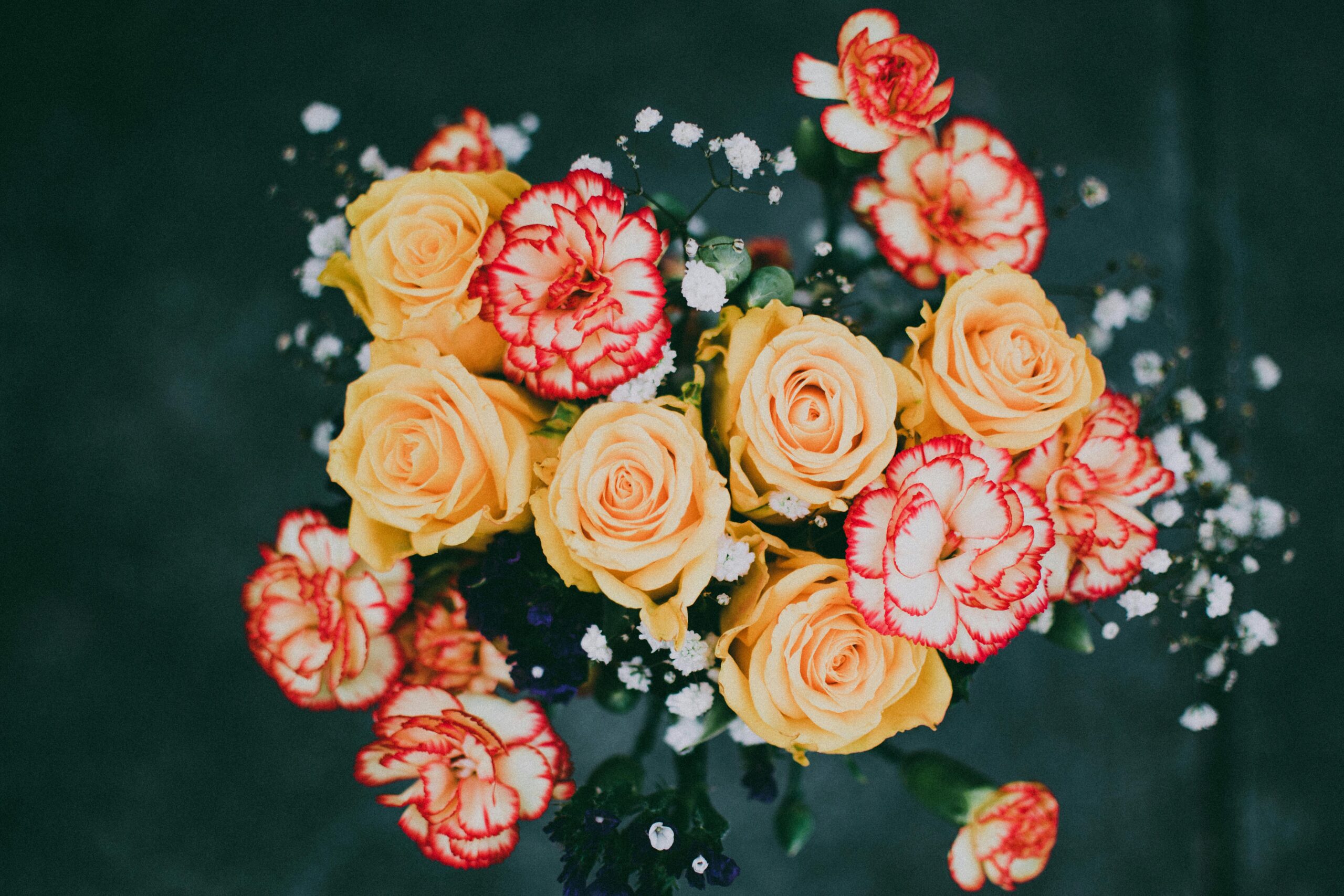
Sustainability Trend: Growing consumer preference for locally-grown flowers driving shift toward Australian growers.
According to Australian Native Flower Export Council, Australian native flower exports have grown 200% in the past decade, with domestic consumption also rising sharply.
Seasonal Sourcing Strategies
Spring (September-November)
Abundant:
- Tulips (imported)
- Ranunculus
- Anemones
- Peonies (late spring)
- Australian natives (waratahs)
Expensive:
- Roses (steady pricing)
Strategy: Stock up on spring specialties; clients expect seasonal flowers.
Summer (December-February)
Abundant:
- Sunflowers
- Dahlias
- Zinnias
- Proteas
- Tropical flowers
Expensive:
- Hydrangeas (heat-sensitive)
- Delicate flowers
Strategy: Embrace natives and heat-tolerant blooms; avoid delicate imports.
Autumn (March-May)
Abundant:
- Dahlias (peak season)
- Chrysanthemums
- Roses (excellent pricing)
- Autumn foliage
Expensive:
- Spring bulbs (out of season)
Strategy: Rich autumn palette; excellent pricing on many varieties.
Winter (June-August)
Abundant:
- Tulips (peak season)
- Ranunculus
- Anemones
- Roses (reasonable)
Expensive:
- Peonies (limited availability)
- Summer flowers
Strategy: Winter specialties abundant; plan around seasonal availability.
Pricing and Margins
Typical Wholesale Pricing (General Guide)
Roses (Imported, per stem):
- Standard: $1.50-$3.50
- Premium: $3.00-$5.00
- Garden/specialty: $4.00-$7.00
Natives (per stem):
- Wax flower: $3-$6 (bunch)
- Kangaroo paw: $2-$5
- Protea: $8-$20
- Waratah: $8-$15
- Banksia: $4-$10
Seasonal Flowers (per stem):
- Tulips: $1.50-$3.00
- Peonies: $5.00-$12.00
- Dahlias: $3.00-$6.00
- Hydrangeas: $6.00-$12.00
Foliage (per bunch):
- Eucalyptus: $3-$8
- Mixed foliage: $4-$10
- Ferns: $3-$6
Price Variations:
- Peak periods (Valentine’s, Mother’s Day): +50-200%
- Off-season: -20-40%
- Bulk purchases: -10-30%
- Premium varieties: +50-150%
Calculating Markup
Standard Floristry Formula:
- COGS (Cost of Goods Sold) × 2.5-3.5 = Retail price (before labour)
Example:
- Wholesale roses: $2.50/stem
- Retail price: $6.25-$8.75/stem in arrangement
- Plus labour and overheads
Building Supplier Relationships
Keys to Strong Relationships
Consistent Purchases:
- Regular orders build trust
- Reliable customers get priority
- Better pricing for loyal buyers
Payment Promptness:
- Pay invoices on time (or early)
- Growers and wholesalers operate on thin margins
- Late payment damages relationships
Communication:
- Provide feedback (quality issues or excellence)
- Give advance notice of large orders
- Build personal rapport
Flexibility:
- Understand seasonal variations
- Be reasonable with quality expectations
- Don’t expect perfect flowers at bargain prices
Red Flags (Poor Suppliers)
Avoid Suppliers Who:
- Consistently deliver poor quality
- Unreliable delivery times
- Lack transparency on pricing
- Don’t stand behind product
- Poor communication
Quality Issues: Address immediately but professionally. Good suppliers replace poor flowers; bad suppliers make excuses.
Start Your Floristry Business Journey
Understanding wholesale flower sourcing is essential for floristry profitability, but it’s one component of successful business operations. From design skills to pricing strategy, client management, and business planning, building a thriving floristry business requires comprehensive knowledge.
Our Certificate in Professional Floristry includes business fundamentals alongside creative training, teaching you not just how to design beautiful arrangements but how to source flowers profitably, manage suppliers, and build sustainable floristry businesses.
The Bottom Line
Wholesale flower sourcing directly impacts your profitability, product quality, and competitive positioning. The florists who thrive aren’t necessarily the most artistic—they’re the ones who’ve mastered sourcing quality flowers at competitive prices while building reliable supplier relationships.
Visit your local wholesale market, connect with growers, explore online options, and develop a diverse supplier network. Your sourcing strategy is as important as your design skills—both are essential for floristry success.
Now you know where and how to source wholesale flowers across Australia. Build your supplier relationships strategically, and watch your floristry business bloom.