
Australia’s livestock sector generates over $32 billion annually in farm gate value, representing a cornerstone of our agricultural economy and rural communities. From vast northern cattle stations spanning millions of hectares to intensive dairy operations in southern irrigation districts, livestock farming encompasses extraordinary diversity in scale, species, and production systems. Strong domestic demand combines with robust export markets across Asia, the Middle East, and North America, creating genuine opportunities for well-managed livestock enterprises. This comprehensive guide examines livestock farming opportunities across Australia, covering enterprise selection, animal health management, production systems, and pathways to profitability in this dynamic sector.
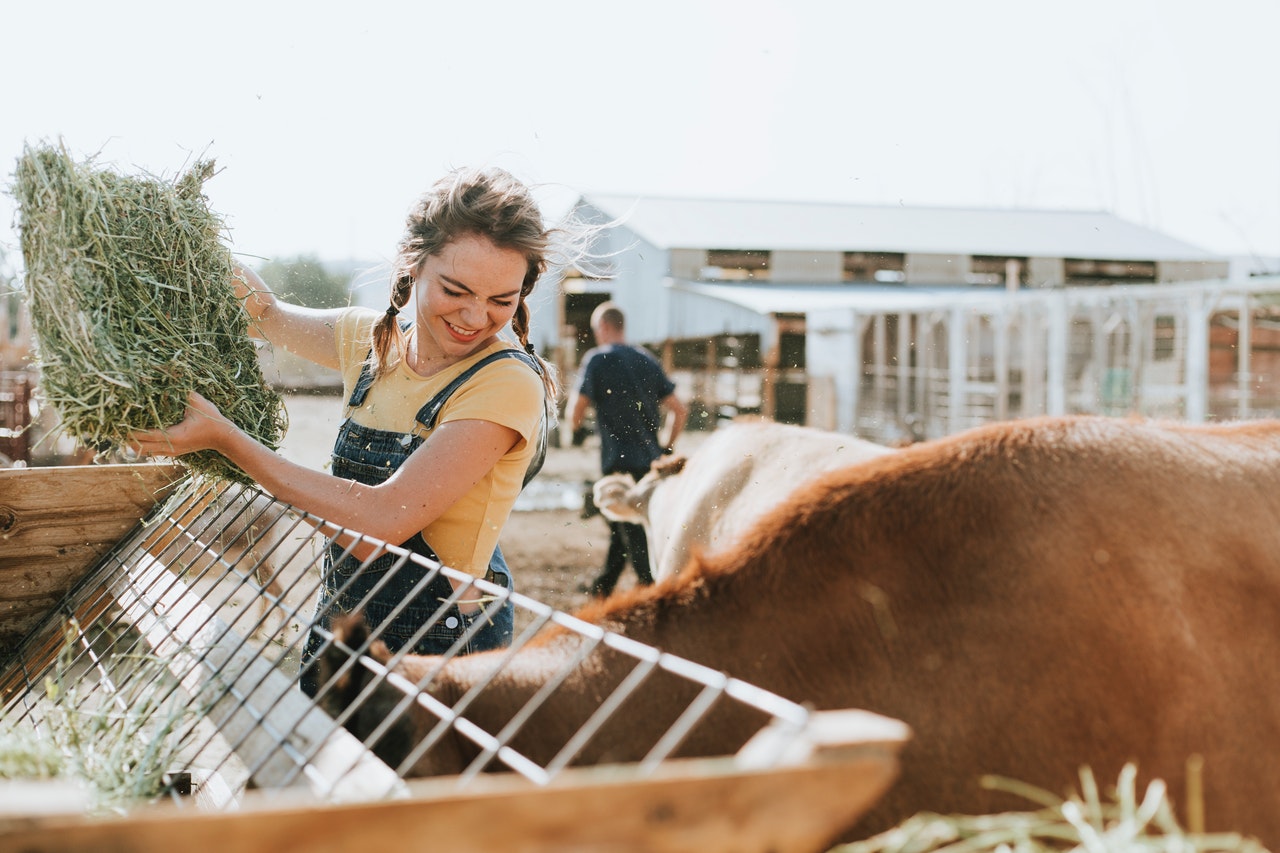
Types of Livestock Farming
Australian livestock farming encompasses multiple species and production systems, each suited to different climatic conditions, land types, and market opportunities. Understanding these options helps aspiring livestock farmers identify enterprises matching their resources and objectives.
Beef cattle production dominates extensive grazing lands, with operations ranging from breeding herds producing weaners through to finishing operations preparing cattle for slaughter. Breeding enterprises require larger land areas with reliable forage but lower per-head management intensity. Growing and finishing operations purchase younger stock, adding value through growth before sale, requiring better pastures or supplementary feeding. Northern Australia specialises in breeding due to large land holdings and tropical pastures, whilst southern regions combine breeding with grain-assisted finishing. According to Meat & Livestock Australia, the national beef herd numbers approximately 25 million head, with strong export demand to Japan, Korea, China, and the United States.
Sheep farming produces both meat and wool, with many enterprises pursuing dual-purpose breeds generating income from both outputs. Meat breeds like Dorpers or White Suffolks focus solely on lamb production, whilst traditional Merinos produce premium fine wool alongside meat income. Prime lamb production targeting domestic and export meat markets requires good quality pastures and intensive management, with lambs finished within 6-12 months. Wool production demands different management focusing on fleece quality, with shearing occurring annually or twice-yearly depending on climate and wool type. Southern Australia’s temperate climates and improved pastures support intensive sheep farming, whilst semi-arid regions maintain more extensive wool-focused operations.
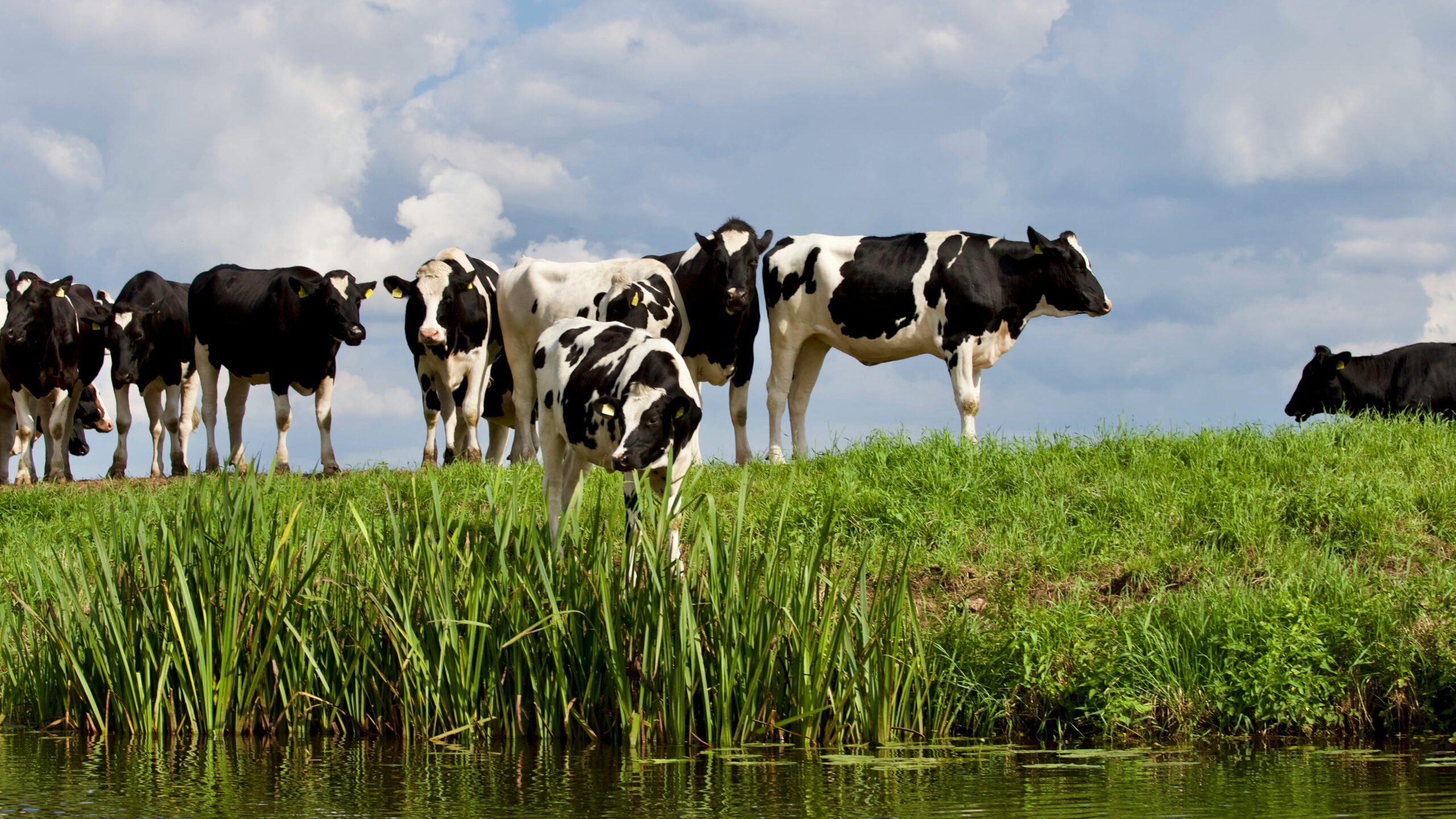
Dairy cattle operations produce milk for processing into drinking milk, cheese, yoghurt, and dairy products. Dairy farming requires significant infrastructure including milking facilities, effluent management systems, consistent feed supplies, and daily management. Victoria dominates Australian dairy production with approximately 60% of national output, benefiting from reliable rainfall and extensive irrigation infrastructure. Dairy represents capital-intensive farming with high labour demands but generates consistent monthly income unlike many livestock enterprises.
Pig farming occurs almost entirely in intensive indoor or outdoor systems, with minimal extensive pig farming remaining. Breeding operations farrow and raise piglets to weaning, whilst growing operations purchase weaners and grow them to market weight. Integrated operations control the entire production chain. Pig farming generates rapid returns with efficient feed conversion and multiple farrowing cycles annually, but requires substantial infrastructure investment and careful biosecurity management.
Poultry farming divides into meat chicken (broiler) production and egg laying operations. Meat chicken production involves growing chicks to market weight in 6-8 weeks in specialised sheds with controlled environments. Egg production houses laying hens producing eggs over 12-18 month laying cycles. Both require intensive management, biosecurity protocols, and significant infrastructure. Contract growing arrangements with major processors provide guaranteed markets but reduce price flexibility.
Goat farming represents a growing sector supplying meat to domestic and export markets, particularly Middle Eastern and Asian consumers. Goats suit marginal land unsuitable for cattle or sheep, browse woody vegetation, and tolerate harsh conditions. Breeding operations produce kids for slaughter or sale to finishers. The developing market infrastructure and rising demand create opportunities for goat farmers willing to embrace less conventional livestock.
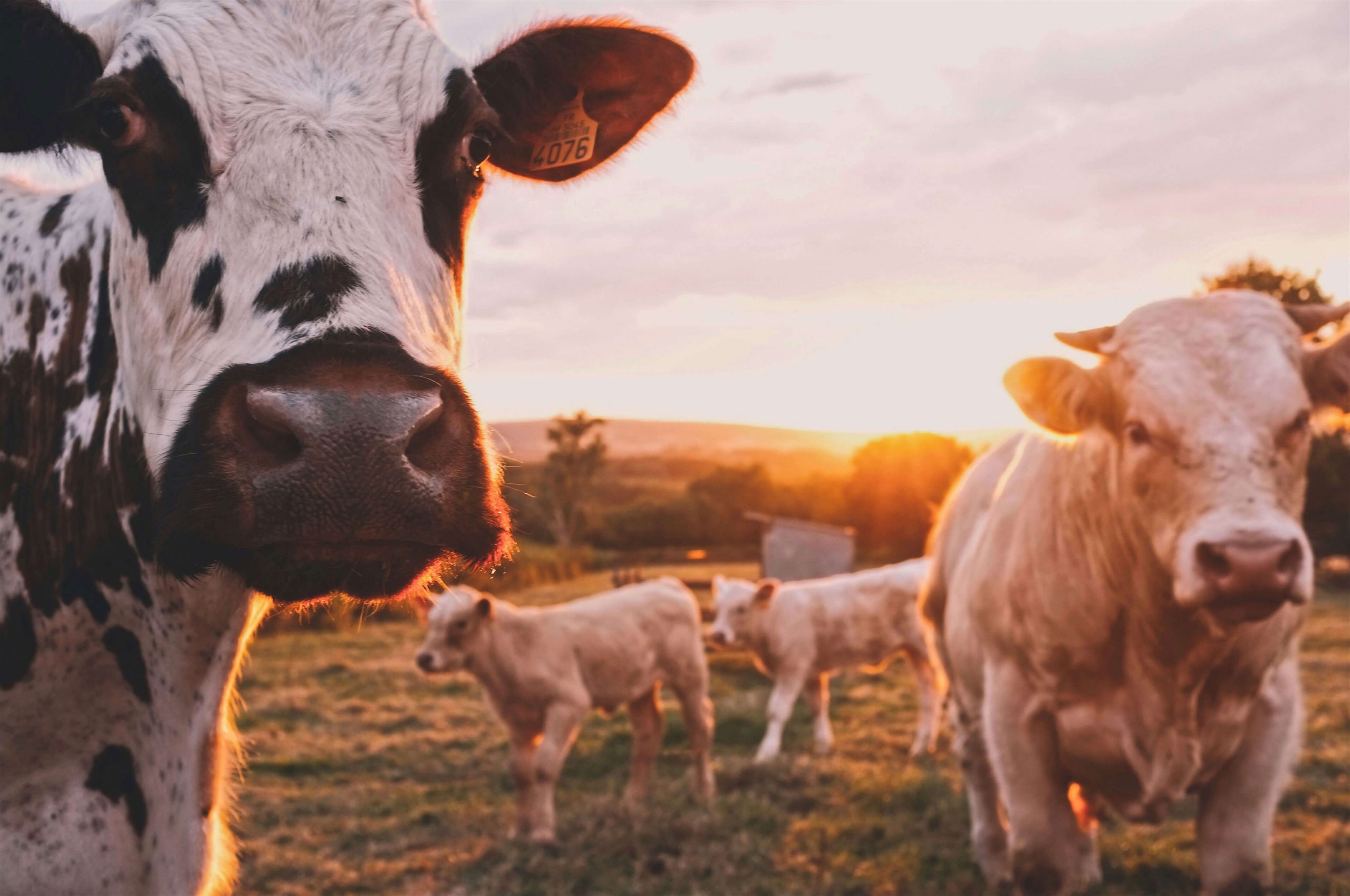
Selecting Your Livestock Enterprise
Choosing the right livestock enterprise requires matching animal types to your available land, climate, capital, and personal preferences. Poor enterprise selection undermines success regardless of management quality, whilst well-matched enterprises thrive even under average management.
Matching livestock to land and climate proves fundamental. Cattle require more substantial feed and water supplies than sheep, limiting suitability in lower rainfall regions. Dairy operations demand reliable irrigation or high rainfall zones producing consistent year-round pasture growth. Pigs and poultry require entirely different infrastructure less dependent on land capability but demanding consistent feed supplies and biosecurity. Queensland’s tropical climate favours heat-tolerant cattle breeds and restricts southern sheep breeds, whilst Tasmania’s cool conditions enable prime lamb production but challenge tropical cattle breeds. Australian Bureau of Statistics livestock distribution data shows clear regional specialisation based on environmental suitability.
Capital requirements vary dramatically between livestock types. Extensive beef breeding can commence with relatively modest per-head investment—$500-$2,000 per breeding cow depending on genetics—whilst dairy operations require $8,000-$15,000 per cow including infrastructure. Sheep enterprises need less individual animal capital but require larger numbers for viability. Intensive pig and poultry operations demand substantial infrastructure investment ($500,000-$2,000,000+) before animals arrive. Understanding upfront capital requirements plus operating costs until income flows prevents financial stress during establishment.
Labour demands range from extensive beef operations requiring minimal daily attention to intensive dairy operations demanding twice-daily milking, feeding, and monitoring. Pig and poultry enterprises require daily management with minimal flexibility for absences. Consider available labour, desired lifestyle, and willingness to employ staff when selecting enterprises. Single-operator properties suit extensive grazing enterprises, whilst intensive operations generally require employees or family labour.
Market analysis examines local and export opportunities, price trends, and competitive positioning. Strong local demand for fresh milk supports dairy in urban fringe locations. Export-focused beef and lamb enterprises require scale and market access. Niche products like organic meat, grass-fed beef, or heritage breed pork access premium prices but require direct marketing capability. Understanding your target market before investing prevents producing products lacking buyers.
Risk assessment for each livestock type examines price volatility, disease risks, weather sensitivity, and market access. Cattle and sheep face commodity price fluctuations but enjoy flexible marketing timing. Dairy provides stable income but faces rigid collection schedules and limited price flexibility. Intensive operations face biosecurity risks capable of destroying entire flocks overnight. Matching risk tolerance to enterprise characteristics promotes long-term sustainability.
Infrastructure requirements comparison reveals substantial differences. Cattle need robust yards, crushes, and fencing. Sheep require more frequent yard use and shearing facilities. Dairy demands milking parlours, effluent ponds, and feed storage. Pigs and poultry require climate-controlled housing with automated feeding and ventilation. Evaluating infrastructure costs against expected returns determines economic viability.
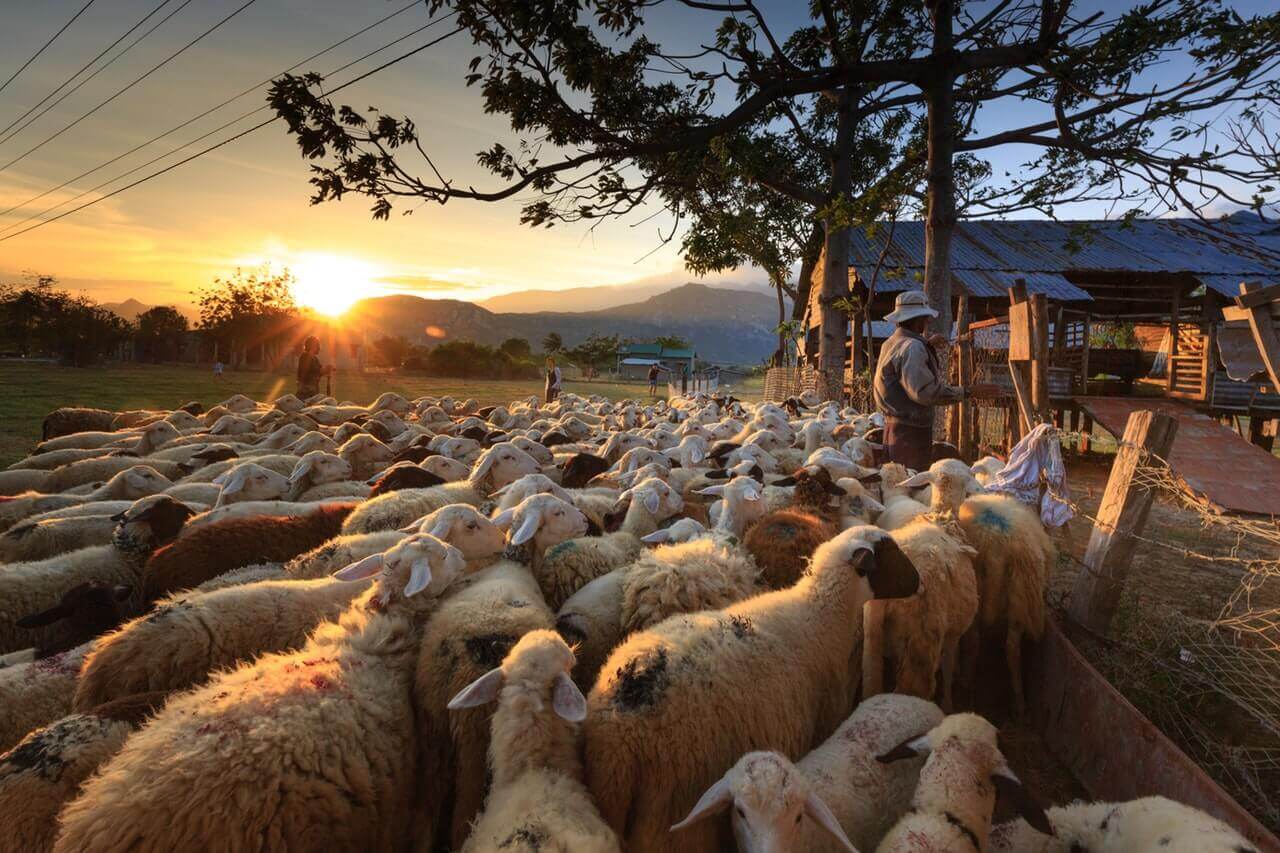
Animal Health and Welfare
Maintaining livestock health represents both an ethical obligation and economic necessity, with healthy animals growing faster, reproducing more successfully, and commanding better market prices. Modern livestock farming emphasises preventative health programs rather than reactive disease treatment.
Preventative health programs include vaccination schedules, parasite management, nutritional supplementation, and biosecurity protocols. Establishing relationships with rural veterinarians provides expert guidance tailored to your specific location and enterprise. Annual herd or flock health plans document scheduled treatments, monitoring protocols, and response procedures for health problems.
Vaccination schedules vary by species, region, and production system. Cattle commonly receive vaccinations against clostridial diseases (5-in-1 or 7-in-1 vaccines), vibriosis in breeding cattle, and sometimes leptospirosis. Sheep receive clostridial vaccinations and sometimes footrot vaccines in affected areas. Pigs require vaccination against common diseases including erysipelas and pleuropneumonia. Poultry vaccination programs target multiple diseases including Newcastle disease and infectious bronchitis. Following veterinary-recommended schedules and maintaining proper vaccine storage ensures effective immunity.
Parasite management controls internal worms and external parasites reducing productivity. Cattle face challenges from buffalo fly in northern regions, ticks in Queensland and northern NSW, and internal worms throughout Australia. Sheep parasite control focuses primarily on internal worms, with barber’s pole worm causing significant losses in summer-rainfall regions. Strategic drenching programs combining monitoring, targeted treatment, and resistance management maintain parasite control whilst preserving drench efficacy. Faecal egg counting determines treatment necessity rather than calendar-based drenching, reducing unnecessary chemical use.
Common diseases require early detection and prompt response. Cattle face risks including bovine respiratory disease, mastitis in dairy herds, and notifiable diseases like tuberculosis or lumpy skin disease. Sheep experience flystrike during humid periods, footrot in wet conditions, and pregnancy toxaemia in late pregnancy. Understanding disease symptoms enables early intervention preventing losses. Animal Health Australia provides disease information and emergency response protocols.
Animal welfare standards define legal and ethical minimum standards for livestock care, covering nutrition, housing, handling, transport, and slaughter. State-based Prevention of Cruelty to Animals legislation establishes welfare requirements, whilst industry codes of practice provide detailed guidance. Modern consumers increasingly demand higher welfare standards, with major retailers and export markets imposing requirements exceeding legal minimums. Ensuring compliance protects against prosecution, market access loss, and reputational damage.
National Livestock Identification System (NLIS) requirements mandate electronic identification for cattle and sheep, enabling lifetime traceability from birth through slaughter. NLIS tags record births, movements between properties, and sale transactions, supporting biosecurity responses and market access verification. Property identification codes (PICs) identify every property holding livestock, with movement documentation required when transporting animals. Compliance with NLIS and movement requirements is mandatory, with penalties for non-compliance.
Building animal health expertise through our Certificate in Livestock provides comprehensive training in livestock health management, welfare standards, and handling techniques. Study online with expert tutor support, developing practical skills for maintaining healthy, productive livestock.
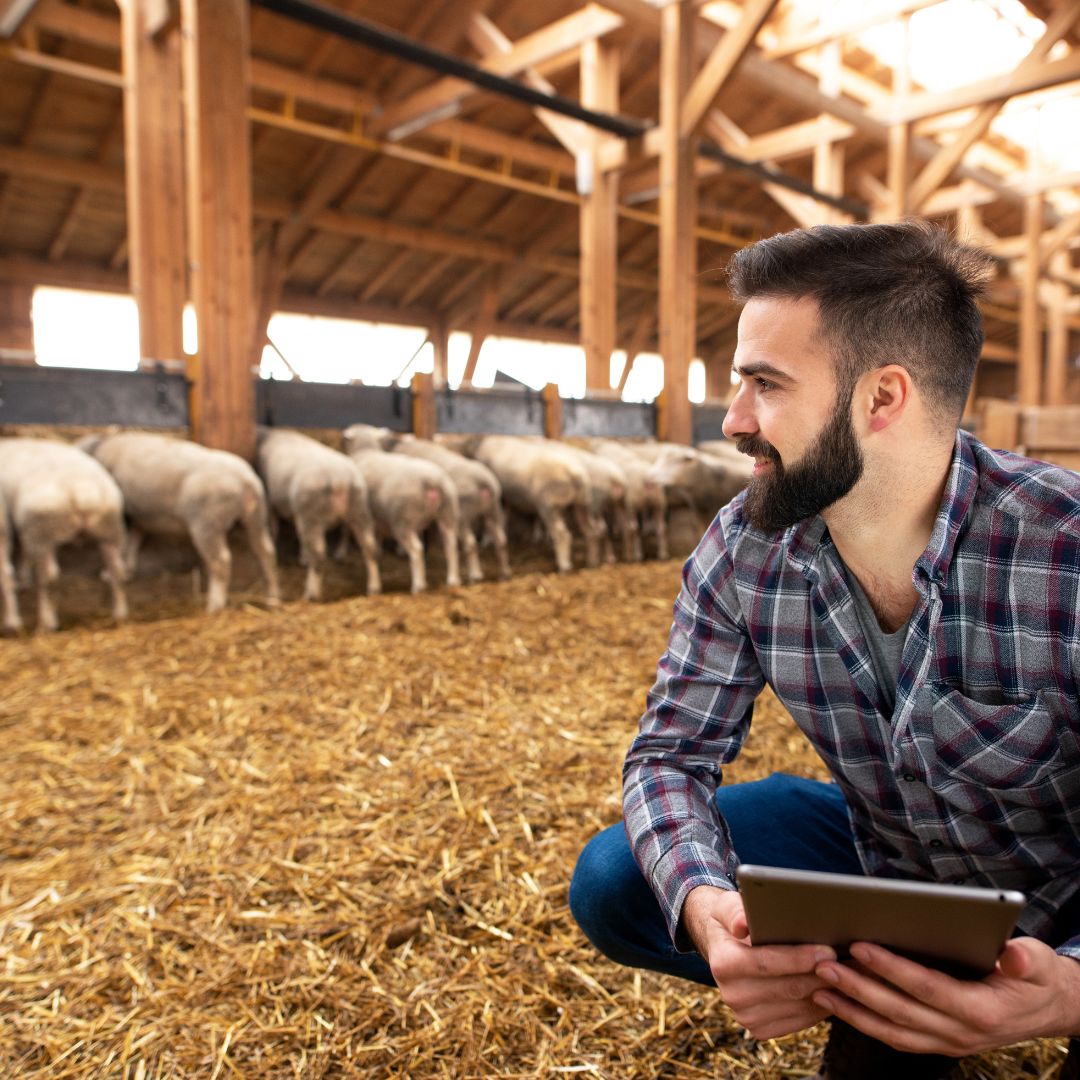
Nutrition and Feeding Systems
Optimal nutrition maximises livestock productivity whilst managing costs—typically the largest variable expense in intensive operations. Understanding species-specific nutritional requirements enables cost-effective feeding programs supporting strong performance.
Pasture management and rotational grazing provide the foundation for extensive livestock nutrition. Matching stocking rates to pasture production capacity prevents overgrazing whilst maximising livestock output per hectare. Rotational grazing systems divide properties into multiple paddocks, rotating livestock through paddocks whilst allowing rest periods for pasture recovery. Victorian dairy farmers implementing rotational grazing report 30-40% increases in pasture utilisation compared to continuous grazing, directly improving per-hectare profitability.
Supplementary feeding strategies address seasonal feed gaps or enhance growth rates. Cattle and sheep in southern Australia commonly receive hay or silage during winter feed gaps, whilst northern operations may provide drought reserves. Finishing operations feed grain-based rations to achieve target weights and fat cover meeting market specifications. Dairy cows receive grain during milking to supplement pasture, with feeding rates adjusted to milk production levels and pasture availability.
Feed budgeting and ration formulation match available feed energy and protein to animal requirements. Growing cattle require different nutrient concentrations than pregnant cows or finishing steers. Lactating dairy cows demand high-energy, high-protein diets supporting milk production. Sheep nutrition varies dramatically between maintenance (dry sheep), pregnancy, and lactation. Professional nutritionists or veterinarians assist formulating balanced rations, though experienced farmers develop capability over time.
Drought feeding considerations prove essential in variable Australian climates. Maintaining core breeding stock through droughts whilst destocking young or non-essential animals preserves long-term herd productivity. Drought feeding options include agistment (moving stock to better areas), hand feeding hay and grain, or early destocking before excessive weight loss. Planning and preparing drought strategies before crises prevents distress sales at depressed prices.
Water quality and access requirements often prove limiting in extensive systems. Cattle consume 30-60 litres daily depending on temperature and diet, whilst dairy cows may drink 60-120 litres when lactating. Sheep require less absolute water but need regular access. Water quality affects livestock health, with high salinity, contamination, or nutrient loads causing problems. Bore water testing and treatment systems ensure water meets livestock requirements.
Mineral supplementation addresses deficiencies in natural feed supplies. Australian soils frequently lack trace minerals including copper, selenium, iodine, and cobalt, with deficiencies causing ill-thrift, poor reproduction, or specific diseases. Free-choice mineral blocks or licks allow animals to self-regulate intake, whilst injectable supplements provide longer-lasting correction. Soil and pasture testing combined with livestock monitoring identifies deficiency risks requiring supplementation.
Feed storage and safety prevents losses and toxicity risks. Hay and silage require proper storage protecting against weather whilst preventing mould development. Grain storage must prevent moisture entry and pest access, with regular monitoring for heating indicating spoilage. Feeding mouldy or contaminated feed causes illness or death, making proper storage essential.
Breeding and Genetics
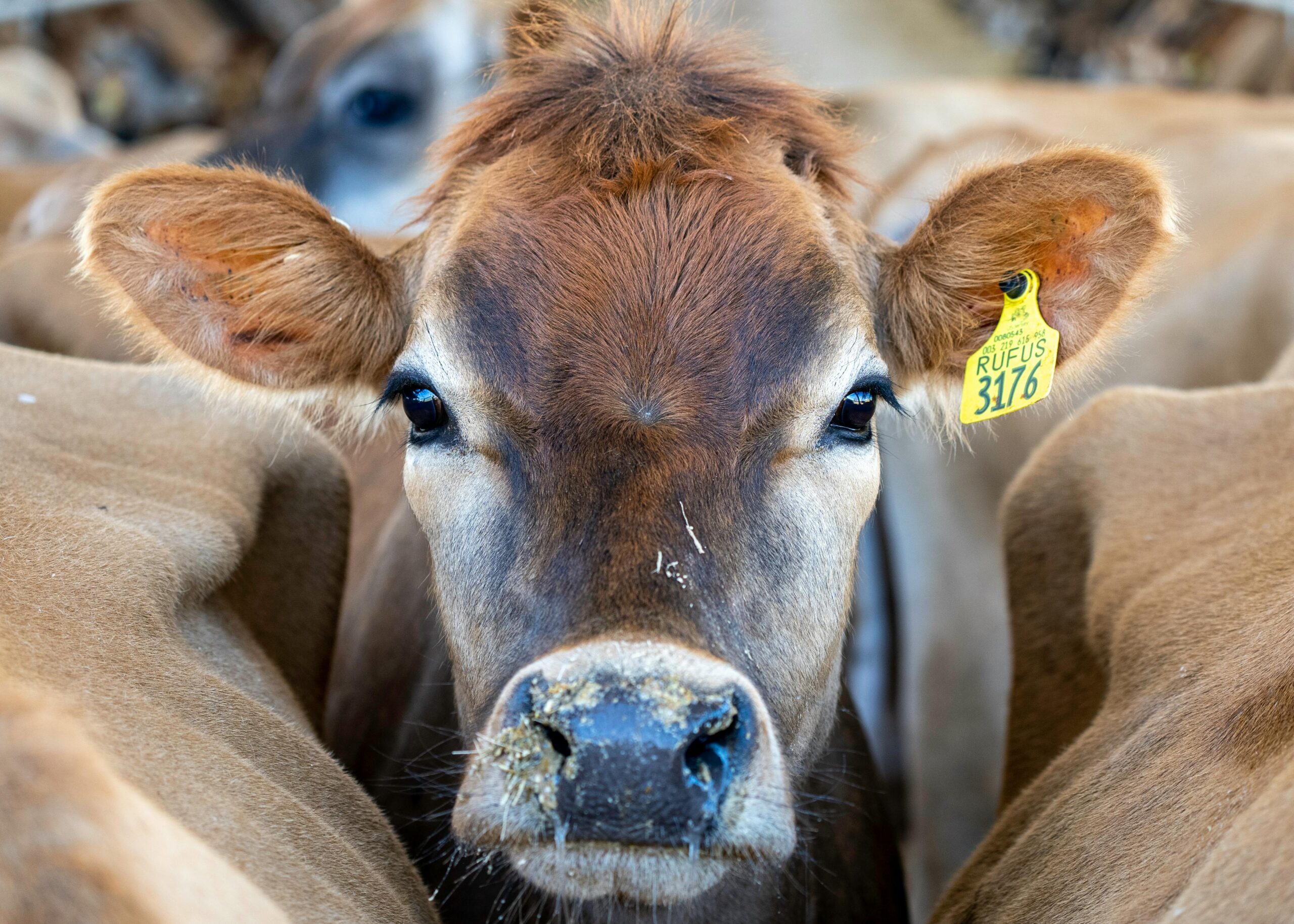
Genetic improvement through selective breeding generates cumulative productivity gains, with superior genetics improving offspring for generations. Understanding breeding principles and selection criteria enables livestock farmers to continually upgrade herd or flock performance.
Selecting superior genetics begins with defining breeding objectives—whether prioritising growth rates, carcase quality, fertility, milk production, wool characteristics, or temperament. Different breeding objectives suit different markets and production systems. Seedstock breeders maintaining purebred registered herds or flocks supply genetics to commercial producers, with genetic improvement flowing from studs through to commercial operations.
Understanding EBVs (Estimated Breeding Values) enables objective genetic selection in cattle and sheep. EBVs predict an animal’s genetic merit for specific traits based on performance recording, pedigree information, and progeny results. Positive EBVs indicate above-average genetics for that trait. Cattle EBVs cover traits including birth weight, growth rates, carcase characteristics, and fertility. Sheep EBVs address growth, wool quality, carcase traits, and reproduction. Selecting animals with favourable EBVs for your priority traits drives genetic progress.
Natural mating versus artificial insemination involves trade-offs between simplicity and genetic access. Natural mating requires maintaining bulls or rams but requires no technical skill or time-critical interventions. Artificial insemination accesses superior genetics economically, enables rapid genetic progress, and avoids maintaining breeding males, but requires oestrus detection, skilled insemination, and appropriate facilities. Many operations combine both methods, using AI on selected females whilst running bulls or rams to catch returns.
Pregnancy testing and reproductive management maximise productivity from breeding females. Pregnancy testing 6-12 weeks post-mating enables early identification of non-pregnant animals for culling or re-breeding. Scanning can also determine foetal ages, allowing strategic management of different pregnancy stages. Empty females can be sold or joined to earlier-maturing breeds, avoiding feeding unproductive animals through pregnancy and lactation periods.
Breeding season management determines when offspring are born, influencing nutrition requirements, disease risks, and sale timing. Joining periods define when breeding males run with females, controlling subsequent calving or lambing timing. Southern operations commonly aim for spring births aligning with increasing pasture growth, whilst northern operations may target post-wet season births. Some enterprises maintain year-round breeding for consistent throughput, though this complicates management.
Record keeping for genetic improvement documents individual animal performance, parentage, and health history. Electronic identification combined with database software tracks lifetime performance, enabling data-driven culling and selection decisions. Performance recording identifies superior breeding animals for retention and inferior performers for culling, driving continuous improvement.
Bull and ram selection criteria include genetic merit (EBVs), structural soundness, temperament, and fertility. Breeding soundness examinations conducted by veterinarians assess semen quality and physical soundness before purchase. Investing in superior breeding males delivers returns across all offspring, justifying premium prices for proven genetics.
Infrastructure and Facilities
Livestock infrastructure represents major capital investment requiring careful planning matching facilities to specific enterprises and scales. Well-designed facilities improve handling efficiency, reduce stress on animals and handlers, and enhance safety.
Essential handling facilities vary by livestock type but generally include yards, crushes or races, and loading ramps. Cattle yards require robust construction withstanding substantial force, with solid sides preventing animals seeing distractions. Curved races and round forcing yards leverage cattle’s natural behaviour following their neighbours and avoiding dead ends. Crushes safely restrain cattle for treatments, pregnancy testing, or tagging. Sheep yards accommodate large numbers flowing through races quickly, with curved races, forcing pens, and drafting gates enabling efficient processing. Mobile sheep yards provide flexibility for operations without permanent infrastructure.
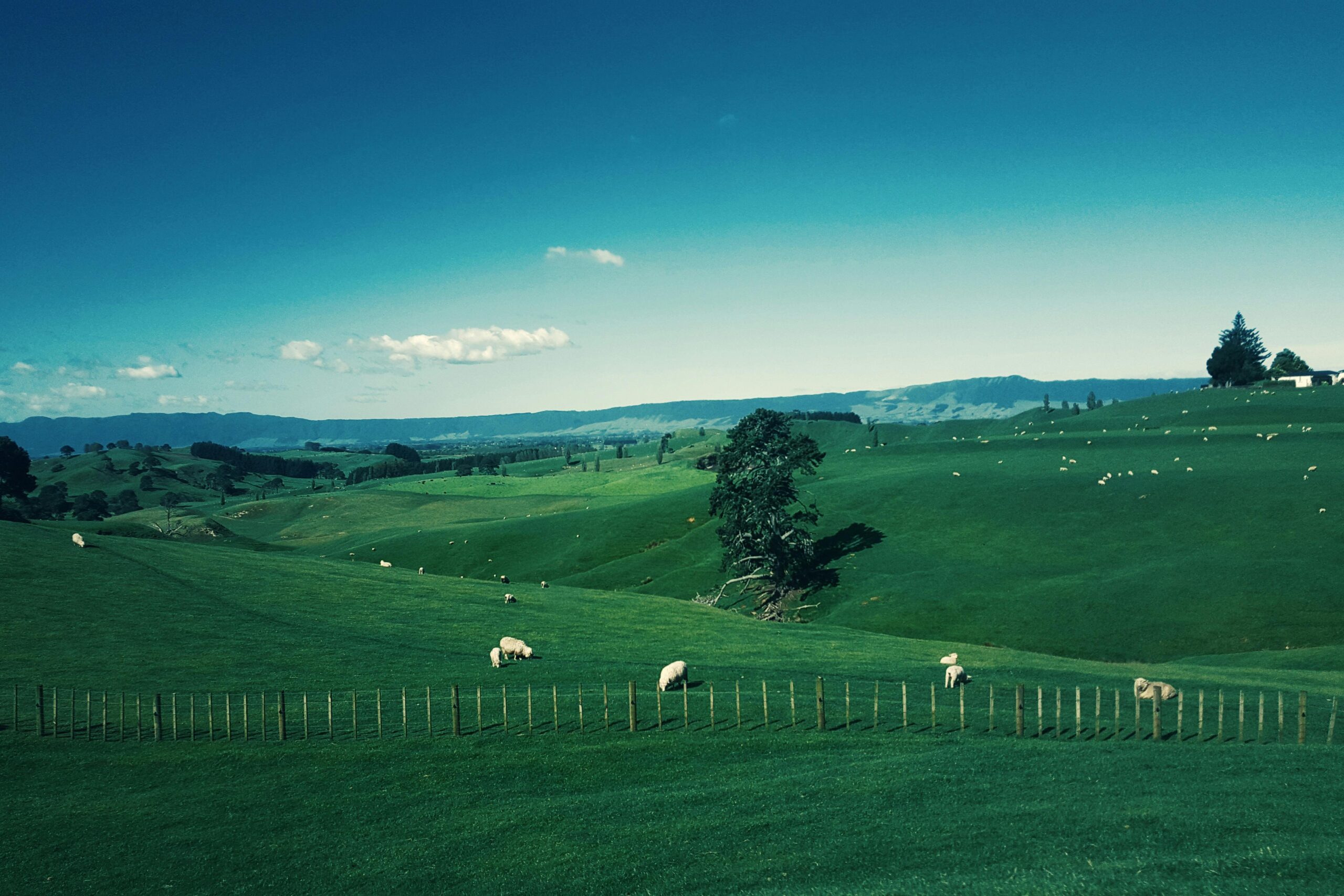
Fencing requirements differ dramatically between species and production systems. Cattle require robust post-and-wire or post-and-rail fencing, with prices ranging from $5,000-$15,000 per kilometre depending on specifications and terrain. Electric fencing provides cost-effective internal paddock division, with strip grazing systems using temporary electric fencing to maximise pasture utilisation. Sheep require tighter wire spacing or mesh netting preventing escape, increasing fencing costs. Pigs demand extremely robust fencing or solid panels, whilst poultry require fox-proof netting around outdoor ranges.
Shelter and housing needs range from minimal for extensive grazing enterprises to sophisticated climate-controlled buildings for intensive operations. Cattle and sheep in southern Australia manage in paddocks with natural shelter from trees or geographical features, though calving or lambing paddocks benefit from windbreaks or basic sheds reducing newborn losses during harsh weather. Northern regions provide shade during extreme heat. Dairy operations require concrete feed pads or loafing areas preventing pasture damage during wet periods. Pig and poultry operations demand insulated buildings with temperature control, ventilation systems, and biosecurity measures.
Water infrastructure provides crucial support across all livestock enterprises. Pasture-based systems require troughs or dams throughout paddocks ensuring water access without excessive walking distances reducing grazing time. Pipeline systems distribute water from central supplies to multiple paddocks, allowing flexible grazing management. Tanks, dams, or bores supply water, with backup systems ensuring continuity during pump failures or dry periods.
Yards, crushes, and races design should prioritise safety for both livestock and handlers. Solid construction, smooth surfaces preventing injury, appropriate heights preventing jumping, and escape gates for handlers all contribute to safe facilities. Poor facility design causes injuries, increases handling time, and stresses animals unnecessarily. Observing well-designed facilities before building your own prevents costly mistakes.
Biosecurity infrastructure including quarantine paddocks, vehicle washdown facilities, and visitor protocols prevents disease introduction. Isolating new purchases for 2-4 weeks before joining existing herds or flocks allows observation for disease signs. Controlled entry points with signage and locked gates reduces casual property access. Footbaths or boot-cleaning stations at facility entrances minimise pathogen transmission.
Staged development avoids over-capitalising before revenue flows begin. Many successful livestock farmers start with basic essential facilities, contracting additional services initially, then progressively build infrastructure as cashflow improves and operational experience reveals priorities. Prioritising safety-critical facilities like secure yards and adequate fencing ahead of convenience improvements ensures core requirements are met first.
Marketing and Profitability
Converting livestock into profit requires effective marketing strategies matching products to appropriate markets whilst managing price volatility inherent in livestock industries. Understanding marketing options and maintaining financial discipline separate profitable operations from marginal performers.
Understanding livestock markets involves tracking price trends, identifying seasonal patterns, and recognising premium payment triggers. Cattle prices reflect international beef demand, exchange rates, local supply levels, and seasonal finishing patterns. Sheep prices respond to both meat and wool markets with different drivers. Dairy farmers face farm-gate milk prices determined by processor capacity and export returns. Following market reports from saleyards, processors, and industry analysts informs marketing timing and method decisions.
Direct-to-consumer opportunities offer premium prices avoiding middlemen, but require marketing capability, regulatory compliance, and often additional processing. Farm-direct meat sales require licensed processing facilities, cold storage, compliance with food safety standards, and marketing to build customer bases. Farmers markets provide existing customer access but involve considerable time commitment. Online sales reach wider audiences but face logistics challenges. Premium prices typically exceed commodity prices by 30-80%, justifying additional effort for appropriate scales.
Saleyards versus private sales versus contracts each suit different circumstances. Saleyards provide transparent price discovery, immediate payment, and guaranteed sale for appropriate-quality stock. However, commission fees, transport stress, and potential disease exposure are drawbacks. Private sales directly to buyers save commission and transport but require negotiation and may achieve lower prices without competitive pressure. Forward contracts with processors or feedlots provide price certainty but sacrifice potential upside from price rises. Most farmers use multiple marketing methods as circumstances suit.
Value-adding opportunities through organic certification, grass-fed programs, breed-specific marketing, or quality assurance schemes access premium prices. Organic certification typically delivers 20-40% price premiums but requires three-year transition periods and ongoing compliance. Grass-fed beef marketing to health-conscious consumers or specific export programs adds 10-30% to prices. European Union beef export accreditation enables access to premium European markets. Evaluating certification costs against premium returns determines economic viability.
Record keeping and financial analysis separate emotional attachment from business decisions. Tracking individual animal performance, calculating enterprise gross margins, and monitoring key performance indicators drives continuous improvement. Gross margin analysis comparing enterprises informs optimal land allocation. Benchmarking against industry averages reveals improvement opportunities. Many farmers discover surprising insights from detailed financial analysis—enterprises they assumed profitable actually losing money, or vice versa.
Managing price volatility through diversification, forward contracting, or maintaining financial reserves reduces risk. Running multiple enterprises spreads risk across different markets and seasonal patterns. Forward contracting locks in acceptable prices sacrificing upside but providing certainty. Maintaining operating reserves covers cashflow during price downturns without forced distress sales.
Key performance indicators for livestock enterprises include weaning rates (calves or lambs weaned per 100 females joined), kilograms produced per hectare, feed conversion efficiency, and gross margin per livestock unit. Tracking these metrics over time reveals trends and improvement opportunities. Industry benchmark data enables comparison against similar enterprises, identifying performance gaps.
Learn comprehensive livestock marketing and profitability management in our Certificate in Farm Management, covering financial analysis, marketing strategies, and business planning for livestock enterprises. Study online at your own pace with flexible payment plans from $30 per week.
Environmental Management and Compliance
Livestock farming intersects with environmental management through grazing impacts, effluent management, and greenhouse gas emissions. Responsible environmental stewardship ensures long-term land productivity whilst meeting regulatory requirements and market expectations.
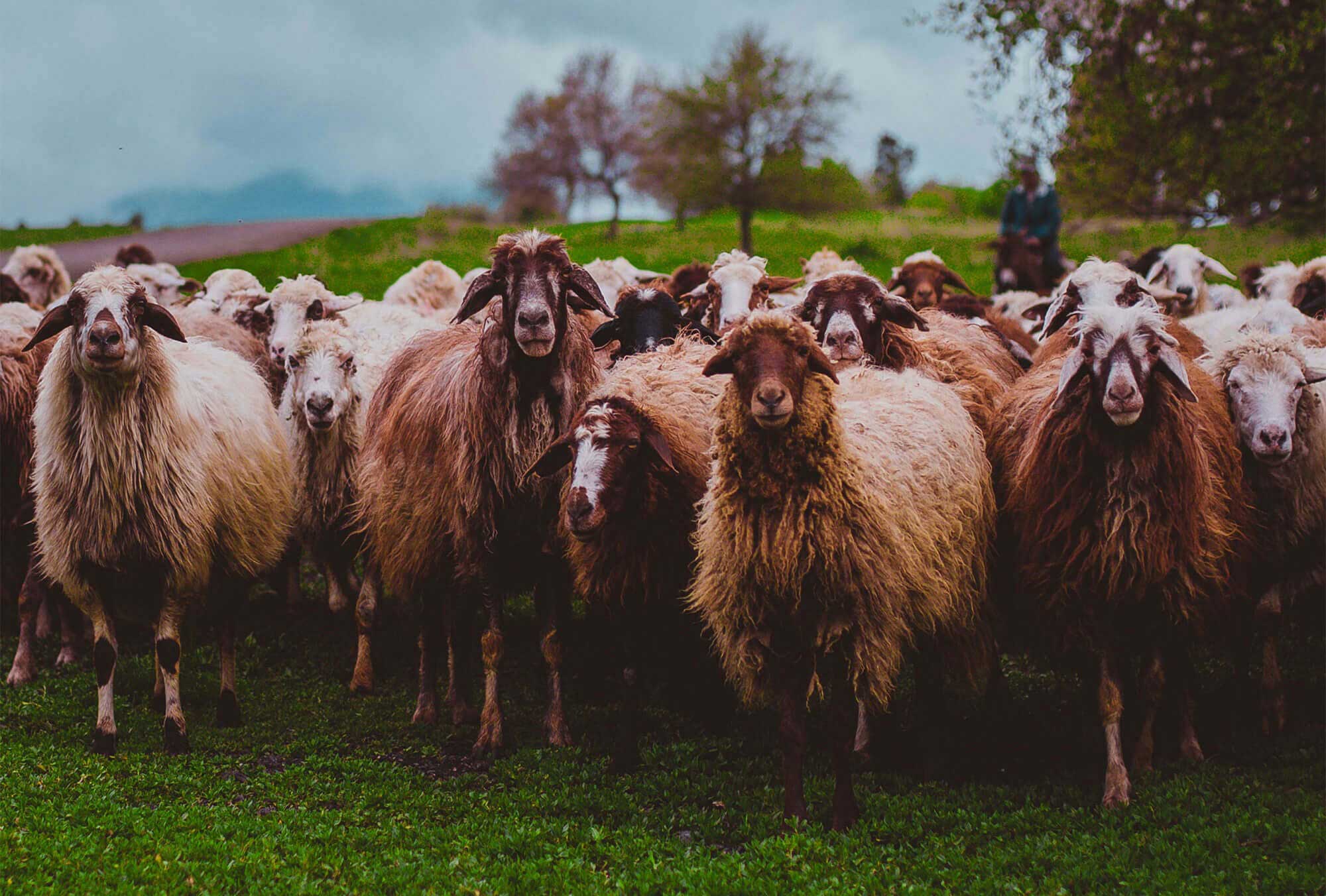
Managing grazing pressure prevents land degradation including soil erosion, pasture species changes, and loss of groundcover. Rotational grazing systems rest paddocks allowing plant recovery, maintaining vigorous pastures with strong root systems preventing erosion. Stocking rates matching long-term carrying capacity rather than wet-year potential preserve land condition through droughts. Ground cover monitoring using standardised methods documents land condition trends, with minimum groundcover thresholds preventing erosion.
Riparian zone protection preserves water quality by preventing stock accessing waterways directly. Fencing streams and providing alternative water supplies prevents bank erosion, reduces nutrient and pathogen inputs to waterways, and improves aquatic habitat. Many state and federal programs subsidise riparian fencing and revegetation, recognising public benefits from improved water quality.
Effluent management from intensive livestock operations treats manure and contaminated water preventing waterway pollution. Dairy effluent systems collect, treat, and utilise nutrients from milking shed and feed pad washings. Solid manure from piggeries or poultry sheds requires composting or managed land application. Regulatory requirements including EPA licenses apply to larger operations, with penalties for pollution events. Well-designed effluent systems turn waste streams into valuable organic fertiliser, improving sustainability whilst ensuring compliance.
Carbon emissions and mitigation strategies address livestock agriculture’s greenhouse gas profile. Ruminant livestock produce methane during digestion, whilst manure emits both methane and nitrous oxide. Feed additives reducing methane production, improved herd productivity reducing emissions intensity, and carbon sequestration through improved grazing management or tree plantings all contribute to lower carbon footprints. Carbon farming projects can generate revenue from verified emissions reductions.
Sustainable intensification strategies improve productivity per hectare and per animal without expanding land use or increasing environmental impact. Better genetics, optimal nutrition, improved health management, and enhanced reproduction all increase output from existing resources. This approach meets growing food demand whilst protecting remaining natural ecosystems.
Native pasture conservation maintains valuable indigenous grasslands providing ecosystem services including biodiversity habitat, carbon storage, and soil protection. Over-clearing or overgrazing native pastures causes irreversible damage to ecosystems requiring decades or centuries to develop. Sustainable native pasture management maintains productive grazing whilst preserving ecological values.
Building Your Livestock Enterprise
Livestock farming offers rewarding careers combining outdoor work, animal husbandry, and business management. Success requires knowledge across animal health, nutrition, genetics, marketing, and financial management—but rewards include lifestyle flexibility, working with animals, and building intergenerational assets.
Whether pursuing cattle breeding on extensive grazing lands, intensive dairy farming, diversified sheep and cropping enterprises, or emerging opportunities in goat meat production, thorough preparation through education and planning improves success likelihood. Understanding the specific requirements, challenges, and opportunities for your chosen enterprise prevents costly mistakes whilst accelerating profitability.
Start your livestock farming education with our Agriculture and Farming Courses, providing comprehensive training covering all livestock production systems. Study online with tutor support available six days a week, building practical knowledge applicable immediately to your livestock enterprise. Flexible payment plans from just $30 per week make quality agricultural education accessible. Enrol today and take your first step toward livestock farming success.