

The paperwork side of running a salon or shop slowly drains your energy and time. It sucks frankly. Hell might just be having to spend time eternal entering your BAS or swimming in MYOB or Xero reports.
Sending invoices. Chasing payments. Appointment reminders. Follow-up emails. Updating customer records. Creating quotes. I’m feeling queasy just at the thought! The list never ends, and none of it generates revenue or serves customers directly.
You started your business to do the work you love—cutting hair, creating beautiful nails, styling customers, curating products, finding the latest fashion trends—not to spend evenings drowning in administrative tasks when you want to be with friends or family. Scream incoming!
Australian salon and retail owners are now automating 70-80% of their sales admin using AI tools and simple integrations. Not “someday with expensive enterprise software,” but right now with affordable tools anyone can set up. Praise be!
You can now reclaim 5-10 hours weekly without hiring admin help or sacrificing customer service quality. Less time working IN your business, more time working ON your business to grow it!

The Hidden Time Cost of Sales Admin
Let’s quantify what “sales admin” actually steals from your week:
Invoicing and payment processing: 3-5 hours weekly
- Creating and sending invoices after appointments or sales
- Following up on overdue payments
- Reconciling payments with bank statements
- Handling payment plan administration
Appointment management: 2-4 hours weekly
- Manual booking confirmations
- Reminder calls or texts to reduce no-shows
- Rescheduling requests and calendar updates
- Managing waitlists when slots open
Customer communication: 2-3 hours weekly
- Answering booking inquiries
- Responding to “are you open?” messages
- Product availability questions
- Service menu explanations
Follow-up and retention: 1-2 hours weekly
- Post-appointment thank you messages
- Rebooking reminders for regular services
- Birthday or loyalty program messages
- Review requests
Total: 8-14 hours weekly on tasks that don’t require your expertise or generate revenue directly.
Research from Xero on Australian small business operations found that retail and service businesses spend an average of 11 hours weekly on financial administration alone—time that could be spent with customers or developing the business.

What AI Automation Actually Means
Let’s be clear about what we’re discussing. AI automation doesn’t mean:
- Expensive enterprise software requiring IT support
- Replacing your personal touch with robotic, impersonal systems
- Complex technical setup beyond your capabilities
It means:
- Using affordable tools (many under $50/month total) that work together
- Automating repetitive, standardised tasks while you handle exceptions
- Setting up systems once that continue running with minimal oversight
Think of it like having an admin assistant who handles the routine work perfectly every time, escalating to you only when human judgment is needed.
The AI Sales Admin Stack: Specific Tools and Workflows
Let’s walk through each category of sales admin and the exact automation approach.
Invoicing and Payment Processing (Automation Level: 90%)
The old way: After each appointment or sale, you manually create an invoice, send it via email, update your records, chase payments, and reconcile everything later.
The AI-automated way:
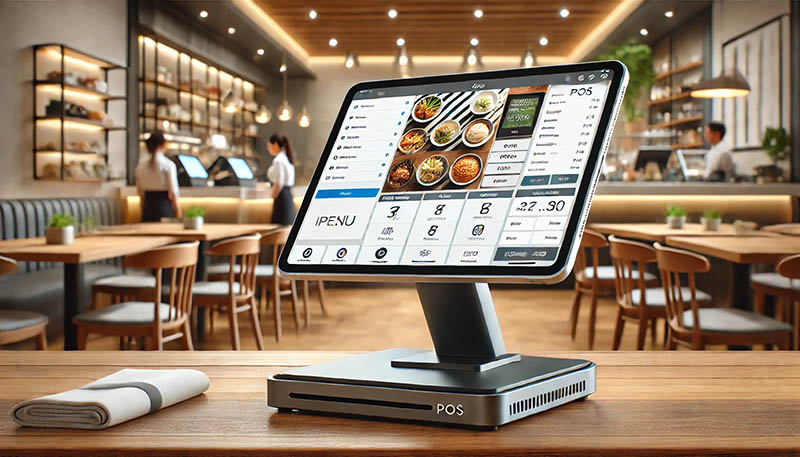
Square or similar point-of-sale systems with AI features:
- Automatically generate invoices at point of sale or appointment completion
- Send invoices via email or SMS instantly
- Process payments with one click (or automatically for payment plans)
- Send automated payment reminders for overdue invoices
- Reconcile with your bank account automatically
Integration with Xero or similar accounting software:
- All transactions sync automatically
- Categorisation happens via AI learning your patterns
- Financial reports generate automatically
- Tax time becomes a button press instead of a nightmare
Your involvement: Review the dashboard weekly (10 minutes) to spot anomalies. Everything else handles itself.
Intuit QuickBooks research shows that businesses automating invoicing reduce time spent on financial admin by 70-85% while improving payment collection rates by 30% (because automated reminders are consistent).
Appointment Management (Automation Level: 95%)
The old way: Customers call or message. You check your calendar. You manually add appointments. You set phone reminders to confirm 24 hours before. You reschedule when conflicts arise. You manage waitlists in your head or on paper.
The AI-automated way:
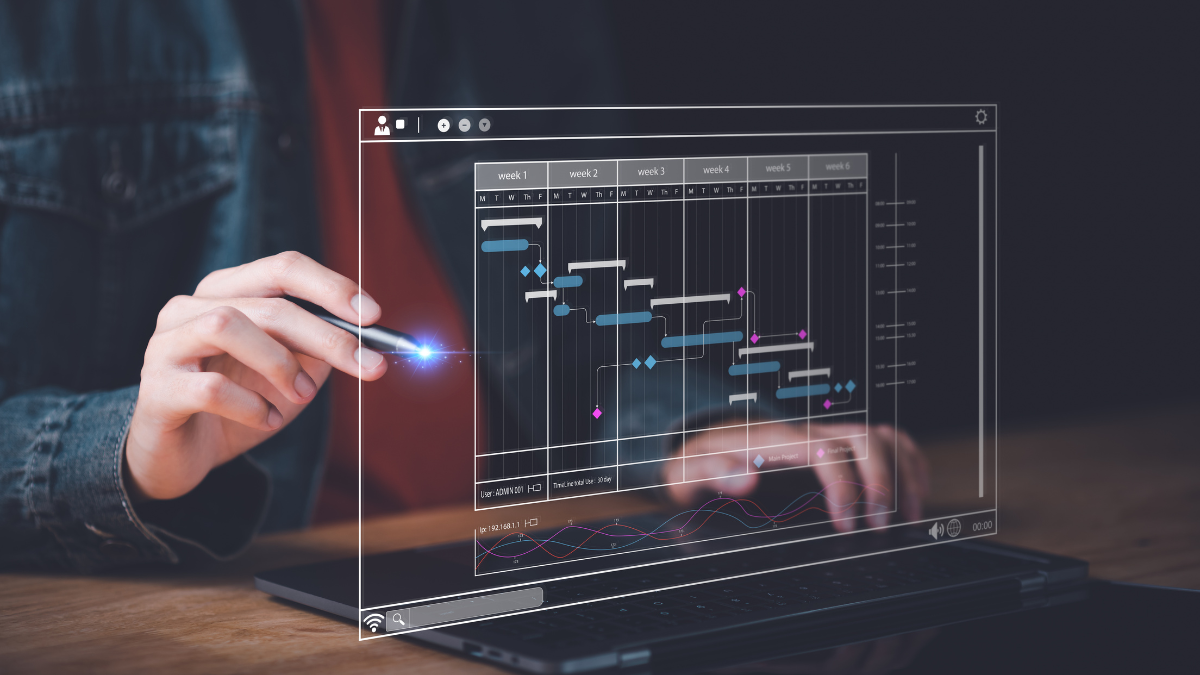
Fresha, Timely, or similar salon/retail booking systems:
- Customers book online 24/7 through your website or social media
- AI suggests optimal appointment times based on your services and calendar
- Automated SMS/email confirmations send immediately
- Automated reminders send 24 hours before (customise timing)
- No-show protection: AI requests credit card holds or deposits automatically
- Cancellation handling: AI notifies waitlist customers when slots open
- Rebooking prompts: AI suggests next appointment timing based on service type
Your involvement: Open the app each morning to see your day (2 minutes). Everything else happens automatically.
Acuity Scheduling’s data on appointment automation found that businesses reduce no-show rates by 40-60% with automated reminders, and online booking increases appointment volume by 20-30% because customers can book outside business hours.

Customer Communication Automation (Automation Level: 70%)
The old way: Customers message asking if you’re open, what services cost, if you have availability. You respond manually throughout the day, interrupting client work.
The AI-automated way:
FAQ chatbots on your Facebook page and website (using ManyChat or similar):
- Answer common questions instantly: hours, services, pricing, location
- Provide menu/price list links automatically
- Direct to online booking for availability questions
- Escalate complex questions to you with full context
AI-powered email responses:
- Draft responses to common inquiries using your voice
- You review and send (or set rules to auto-send for standard questions)
SMS automation:
- Thank you messages post-appointment
- Product care instructions after retail purchases
- “We miss you” messages to clients who haven’t booked in X months
Meta for Business research found that businesses using automated responses answer 85% of inquiries within 5 minutes (versus 4-6 hours manually), improving customer satisfaction and conversion rates significantly.
Your involvement: Handle complex or sensitive inquiries personally. AI handles routine questions.
Follow-Up and Retention (Automation Level: 85%)
The old way: You intend to follow up with customers, request reviews, remind about rebooking… but it’s inconsistent because you’re busy. Some customers get great follow-up, others fall through the cracks.
The AI-automated way:
Customer.io, Mailchimp, or similar marketing automation:
- Automatically send “thank you for your visit” emails 1 day post-appointment
- Request reviews 3-5 days later (timing matters for response rates)
- Send “time for your next appointment” reminders based on service type:
- Hair colour: 6 weeks
- Nail appointments: 3 weeks
- Massage/treatments: 4 weeks
- Birthday messages with special offers
- Loyalty program point balance updates
- Win-back campaigns for dormant customers
All personalised with customer name, service history, and preferences.
Your involvement: Set up the campaigns once (or we teach you how in our course). Review performance monthly.
Klaviyo’s research on retail automation shows that automated retention campaigns generate 20-30% of repeat business for small retailers and service businesses, with minimal ongoing effort.
Real Results: Time Reclaimed and Revenue Protected
Let’s examine documented outcomes from businesses implementing sales admin automation:
Payment collection improvement: Square’s case studies with Australian beauty businesses show automated payment reminders reduce overdue invoices by 65% and decrease time spent chasing payments from 3 hours weekly to approximately 20 minutes monthly.
No-show reduction: Timely’s benchmark data from Australian salon and wellness businesses indicates automated appointment reminders reduce no-shows from industry average of 20-25% to 6-8%, protecting significant revenue.
Customer retention: Mailchimp’s small business benchmarks show that retail and service businesses using automated retention campaigns see 15-25% higher customer lifetime value compared to businesses relying on ad-hoc follow-up.
Time savings: Businesses automating sales admin report reclaiming 6-10 hours weekly—equivalent to one full business day for revenue-generating activities or personal time.

The Setup Process: Easier Than You Think
The perception is that automation requires technical expertise. The reality is that modern tools are designed for non-technical business owners.
Week 1: Invoicing automation
- Sign up for Square/similar (30 minutes)
- Connect your bank account (10 minutes)
- Customise invoice templates with branding (20 minutes)
- Test with a few transactions (30 minutes)
Week 2: Appointment automation
- Choose booking software (research: 30 minutes)
- Set up services, pricing, and calendar (1 hour)
- Embed booking widget on website and social media (30 minutes)
- Configure reminder messages (20 minutes)
Week 3: Communication automation
- Set up FAQ chatbot on Facebook (1 hour)
- Create email templates for common questions (30 minutes)
- Configure automated thank you messages (20 minutes)
Week 4: Retention automation
- Choose email marketing platform (30 minutes)
- Import customer list (30 minutes)
- Set up rebooking reminder campaigns (1 hour)
- Launch review request automation (30 minutes)
Total setup time: 8-10 hours over 4 weeks
Ongoing time requirement: 30 minutes weekly to review systems
Time saved weekly: 6-10 hours ongoing
The math is compelling: invest 10 hours once, reclaim 300+ hours annually.
What About the Personal Touch?
The most common concern: “I don’t want my business to feel automated or impersonal.”
Here’s the reality: automation handles the routine, freeing you for genuine personal connection.
Not automated: Personal consultations, relationship building, handling complex situations, celebrating customer milestones
Automated: Appointment confirmations, payment reminders, standard FAQs, routine follow-ups
Think of it this way: Which is more personal?
- Sending a thank you message 1 day after every appointment (automated)
- Intending to send thank you messages but only actually doing it 30% of the time (manual)
Consistency is personal. Your customers appreciate reliable communication, even if it’s automated behind the scenes.
According to Salesforce’s research on customer service expectations, 73% of customers say they don’t care whether they’re interacting with AI or humans, as long as they get fast, helpful responses.
The Support Model That Makes Implementation Possible
Reading about automation and actually setting it up are different challenges.
At My Learning Online’s AI for Small Business course, we don’t just explain what to do—we show you exactly how:
- Screen recordings: Watch actual setup processes for booking systems, payment automation, email campaigns
- Template libraries: Copy our proven message templates, workflows, and automations
- Tool comparisons: Understand which platforms work best for salons vs retail shops vs service businesses
- Troubleshooting guides: Common issues and how to fix them
- Tutor support: Real humans who answer your specific questions about your business
The curriculum assumes zero technical background. If you can use Facebook and send emails, you can set up these automation systems.
The investment: From $30/week with flexible payment plans
The outcome: Fully automated sales admin that runs while you focus on customers
The support: Step-by-step guidance with tutors who understand Australian small businesses
The Cost of Not Automating
Let’s be direct about opportunity cost.
Scenario 1: You keep handling sales admin manually
- 10 hours weekly on admin = 500 hours annually
- Value of your time: $50/hour = $25,000 in opportunity cost
- Stress and burnout from evening admin work: Priceless
- No-shows and late payments from inconsistent follow-up: $3,000-8,000 annual revenue loss
Scenario 2: You hire admin help
- Part-time admin: 10 hours weekly at $25-30/hour = $13,000-15,000 annually
- Training time and management overhead
- Still requires your oversight for quality control
Scenario 3: You automate with AI
- Software costs: $100-200/month = $1,200-2,400 annually
- Your setup time: 10 hours once
- Ongoing oversight: 30 minutes weekly
- Reclaimed time: 500 hours annually for revenue or rest
The financial case is unambiguous. The personal wellbeing case even more so.

Your Competitors Are Already Doing This
Australian Retailers Association data on technology adoption shows that 43% of Australian retail and service businesses now use some form of automated booking or payment systems—up from 18% in 2020.
The shift is happening. The salon or shop down the street might already be running automated systems, allowing them to serve more customers without working more hours.
Every week you delay automation is a week your competitors are:
- Capturing bookings while you’re closed (24/7 online booking)
- Reducing no-shows with consistent reminders
- Following up with customers more reliably
- Working less while serving more
Start Automating Today
The technical barriers that once made automation accessible only to large businesses have disappeared. The tools exist, they’re affordable, and they’re designed for operators like you.
The barrier is knowledge: understanding what’s possible, which tools do what, and how to set them up effectively.
Enrol in AI for Small Business at My Learning Online and learn to automate your sales admin completely.
Stop spending evenings on paperwork. Start systemising it with AI.
Ready to reclaim 10 hours weekly? Learn the automation systems with My Learning Online today.