

When most people think about equine courses, they imagine learning the basics: how to feed horses, groom them, and perhaps ride safely. While these fundamentals are certainly covered, the reality is far more fascinating. Your first month in an equine program will open your eyes to a world of unexpected discoveries that go well beyond the stable door.
1. Horses Are Master Communicators (And You’ll Learn Their Language)
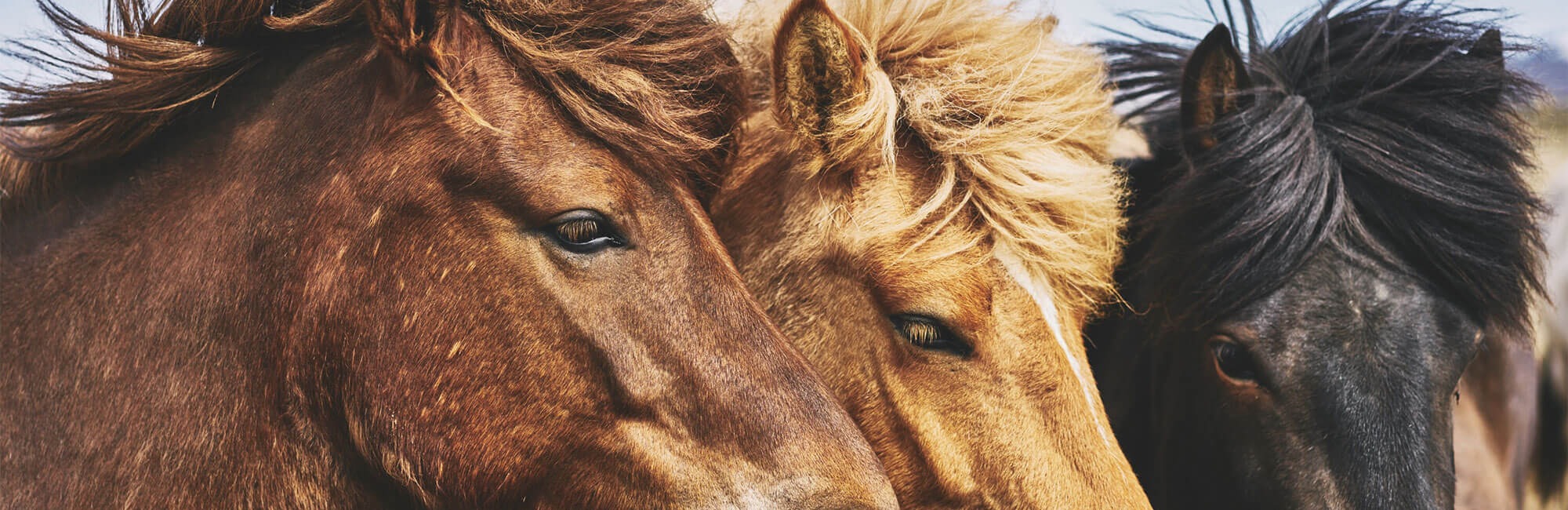
Perhaps the most surprising revelation for new equine students is discovering that horses communicate constantly through an intricate system of body language, vocalizations, and energy. Within your first few weeks, you’ll learn to read subtle ear positions, tail movements, and posture changes that speak volumes about a horse’s emotional state and intentions.
According to Dr. Paul McGreevy from the University of Sydney, co-author of “Equine Behavior: A Guide for Veterinarians and Equine Scientists,” horses process information differently than humans, relying heavily on visual cues and body language. His research, conducted in collaboration with Andrew McLean from the Australian Equine Behaviour Centre in Victoria, shows that horses can detect human emotions through our posture, breathing patterns, and even heart rate variations. This means that becoming an effective horse handler isn’t just about learning techniques – it’s about developing emotional intelligence and self-awareness.
You’ll discover that a horse’s ears aren’t just for hearing; they’re sophisticated mood indicators. Forward-pointing ears signal attention and interest, while pinned-back ears indicate irritation or aggression. The position of a horse’s head, the tension in their neck, and even the way they shift their weight all convey specific messages that experienced handlers interpret instinctively.
2. You’ll Develop Unexpected Physical Skills
Most newcomers expect to build leg strength for riding, but equine courses develop a surprising range of physical abilities. You’ll find yourself becoming more coordinated, developing better balance, and gaining core strength in ways that traditional exercise can’t match.
The American Physical Therapy Association recognizes equine-assisted therapy as beneficial for improving balance, coordination, and muscle strength. This isn’t just relevant for therapeutic riding – regular interaction with horses naturally enhances your proprioception (body awareness) and reaction time.
Within your first month, you’ll notice improvements in your spatial awareness as you learn to move confidently around large animals. You’ll develop what instructors call “horse sense” – an intuitive understanding of how to position yourself safely and effectively. This translates into better overall body awareness that benefits you in countless other activities.

3. Mental Resilience Becomes Your Secret Weapon
Working with horses demands a level of mental fortitude that many students don’t anticipate. Horses are prey animals with lightning-fast reflexes, and they respond to the energy and confidence of their handlers. You’ll quickly learn that anxiety, frustration, or impatience can be counterproductive – and potentially dangerous.
Research conducted by Australian equine behaviorists demonstrates that horses can sense human cortisol levels (stress hormones) and respond accordingly. Professional equine training emphasizes that success with horses requires developing genuine calm and confidence, not just the appearance of it.
Your first month will teach you practical mindfulness techniques out of necessity. You’ll learn to regulate your breathing, maintain present-moment awareness, and project calm authority even when you’re feeling nervous. These skills prove invaluable in all areas of life, from job interviews to public speaking.

4. Problem-Solving Skills Will Sharpen Dramatically
Every horse is an individual with unique personality traits, preferences, and behavioral patterns. What works with one horse may fail completely with another, forcing you to become a creative problem-solver. You’ll learn to adapt your approach based on subtle feedback, think on your feet, and develop multiple strategies for achieving the same goal.
The Australian Equine Behaviour Centre in Victoria, led by Andrew McLean, emphasizes that successful horsemanship requires understanding equine psychology and adapting to each horse’s learning style. Their evidence-based training methods demonstrate that effective horse training is really about effective communication and problem-solving, using ethical techniques that work with the horse’s natural behaviour patterns.
You’ll discover that horses are excellent teachers of patience and persistence. They don’t respond to force or intimidation, but they reward consistency, clear communication, and respect. This teaches you to approach challenges methodically, breaking complex tasks into manageable steps.

5. Career Opportunities Will Surprise You
Most people entering equine courses think their options are limited to riding instruction or stable management. The reality is that the equine industry offers diverse career paths that many students never considered. Within your first month, you’ll likely discover opportunities in equine therapy, veterinary support, equine sports management, breeding programs, and even business consulting for equine enterprises.
The Australian equine industry contributes significantly to the economy and supports diverse employment opportunities. The Certificate of Equine Care course from Learning Online prepares graduates for careers across the growing equine industry, from traditional roles to emerging fields in equine therapy, sports science, and business management.
You’ll meet professionals who’ve built careers as equine nutritionists, saddle fitters, equine photographers, and therapeutic riding instructors. Some graduates become equine lawyers, specializing in the legal aspects of horse ownership and competition. Others develop expertise in equine facility design or insurance.
The Transformation Beyond Expectations
Your first month in equine courses will challenge preconceptions about both horses and yourself. You’ll develop a deeper appreciation for the complexity of interspecies communication and discover capabilities you didn’t know you possessed. The skills you gain – from reading non-verbal cues to maintaining calm under pressure – will enhance every aspect of your life.
The journey from novice to confident horse handler involves more than technical knowledge. It requires developing emotional intelligence, physical coordination, mental resilience, and creative problem-solving abilities. These transferable skills explain why many equine professionals report that their horse experience has made them more effective leaders, communicators, and collaborators in all their endeavors.
Whether you’re pursuing equine studies for personal enrichment or professional development, prepare to be surprised by the depth and breadth of what you’ll learn. The horses will teach you as much about yourself as you learn about them, creating a foundation for lifelong growth and discovery.